Witkoff Plans Ukraine and Russia Talks as US Tests Diplomatic Strategy
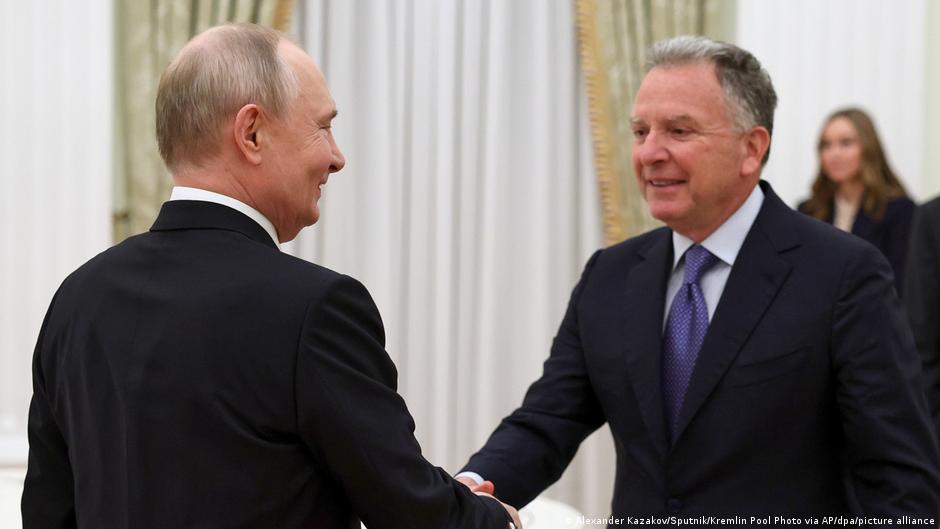
Steven Witkoff reportedly plans talks in Oslo and Russia, testing Washington’s ability to coordinate allies while maintaining a direct channel to Moscow.
Steven Witkoff reportedly plans talks in Oslo and Russia, testing Washington’s ability to coordinate allies while maintaining a direct channel to Moscow.
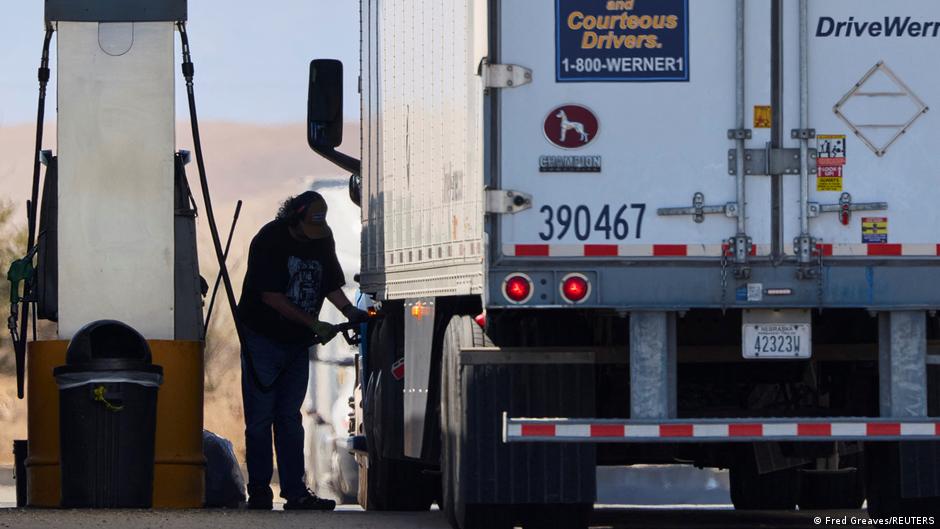
A bipartisan Senate group says easing sanctions on Russian diesel would fund Moscow’s war while offering little relief to U.S. fuel consumers.

Reported U.S. pressure over Ukraine’s refinery strikes turns the PURL weapons program into a strategic lever in Kyiv’s war planning.

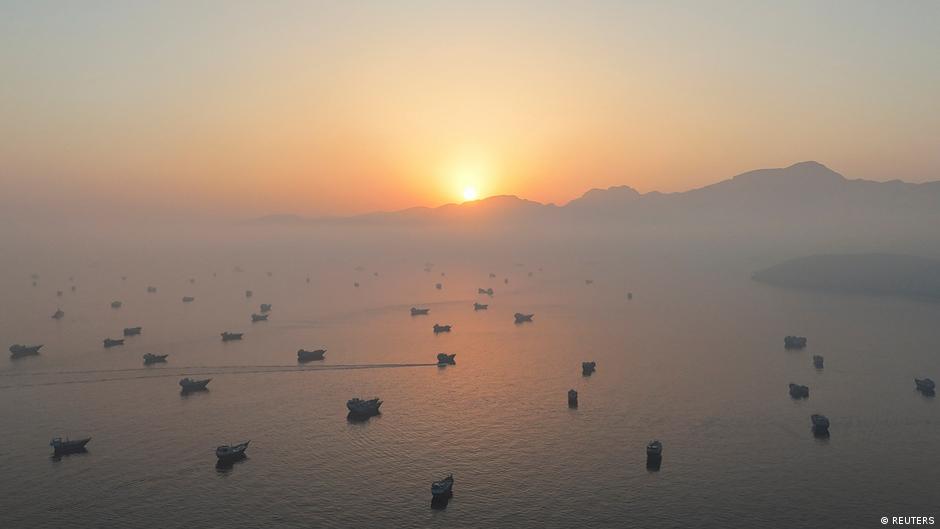
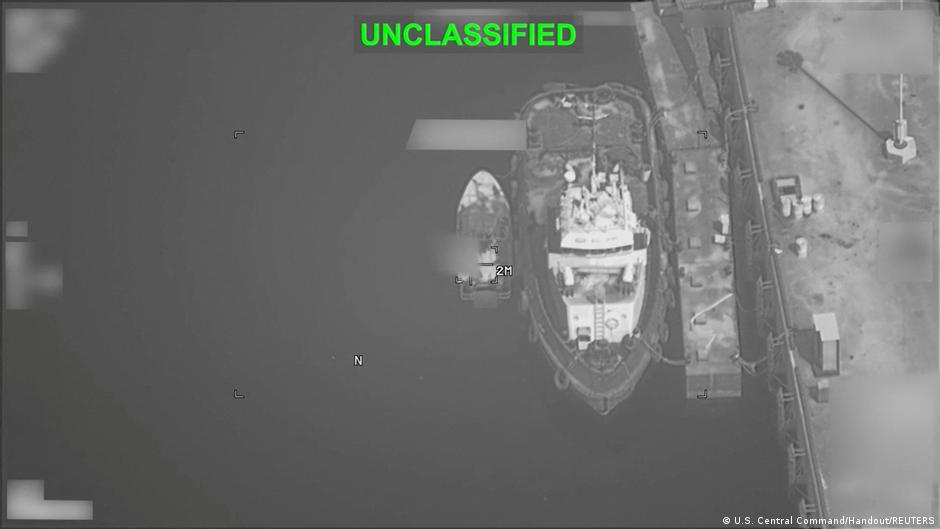
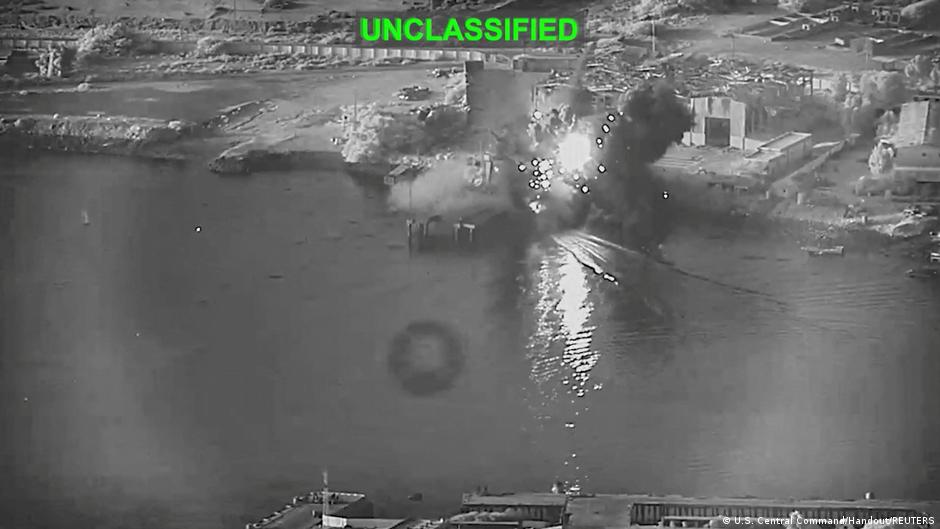
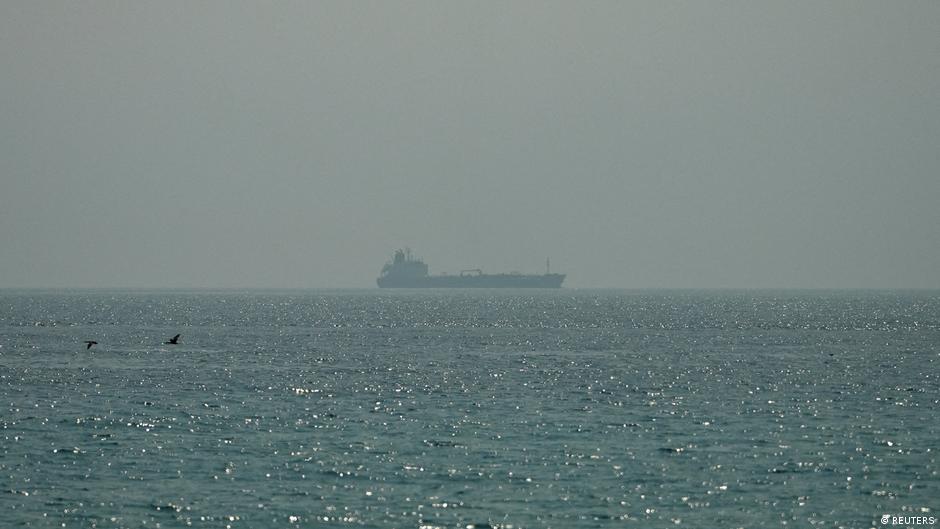
CENTCOM’s strike on the M/V Ocean Molica highlights rising maritime enforcement risks for shipping, energy markets and companies exposed to Gulf routes.

A bipartisan House bill would seek to ban Russian oil purchases, challenging Trump’s reported diesel fuel arrangement with Moscow.

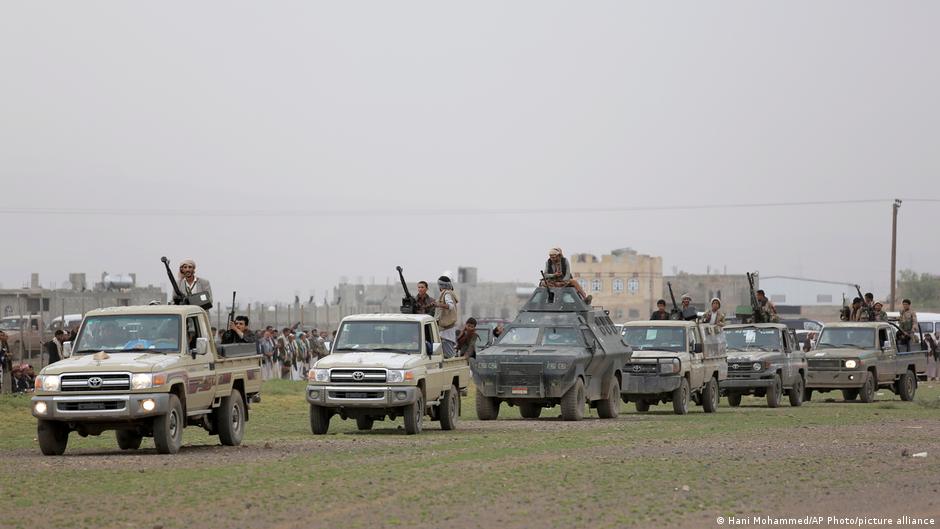
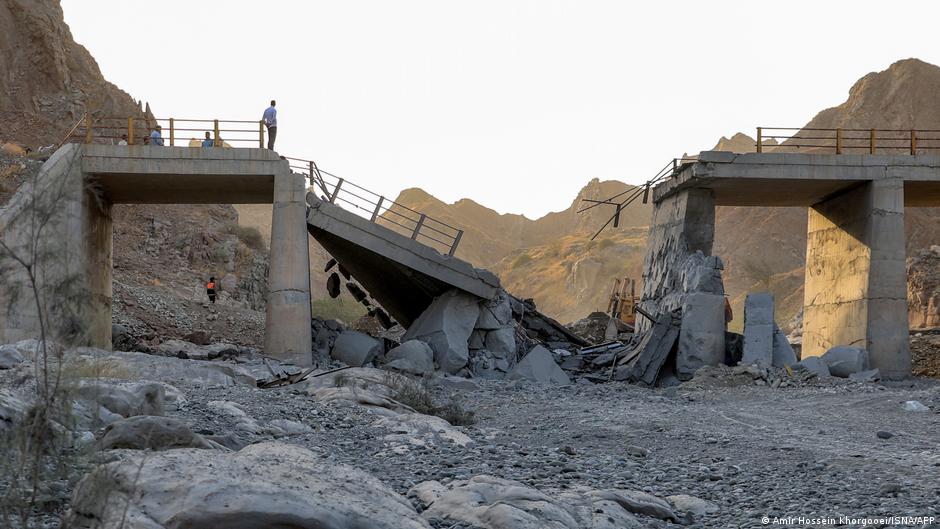
Yemen’s offensive near Mocha raises the stakes for Red Sea shipping, Saudi security and regional defense strategy.

Trump expects renewed Iran talks after rejecting Tehran’s Hormuz proposal, leaving markets focused on leverage, oil flows and escalation risk.

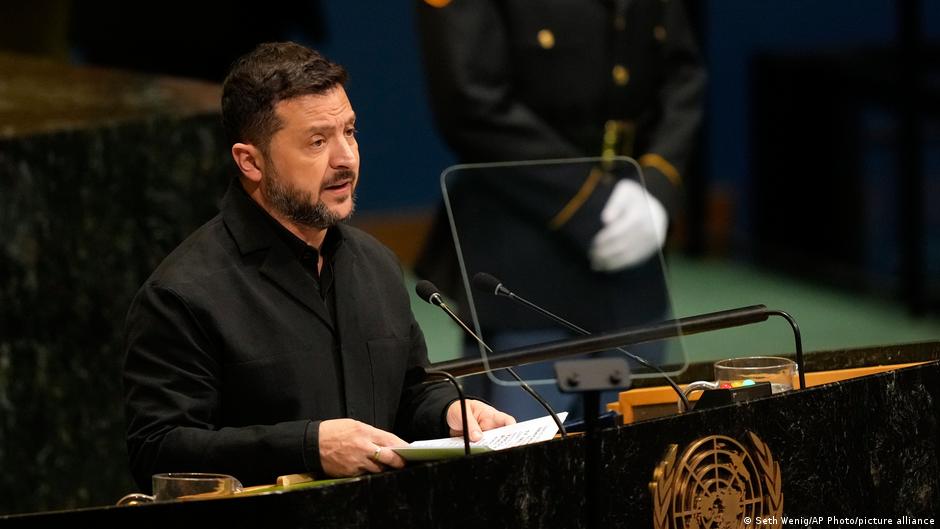
Zelensky told the UN that Ukraine is targeting Russia’s ability to finance and prolong the war, with oil, energy and AI risks at the center.

U.S.-Iran talks in New York reopen a diplomatic channel, but sanctions, Hormuz shipping and Trump’s threats keep business risk high.

Russia will attend G20 energy talks in Houston, testing U.S. strategy as energy security, sanctions and shipping risks dominate the agenda.

The capture of Mocha strengthens Houthi positions near Bab el-Mandeb, raising risks for Red Sea shipping and global energy markets.

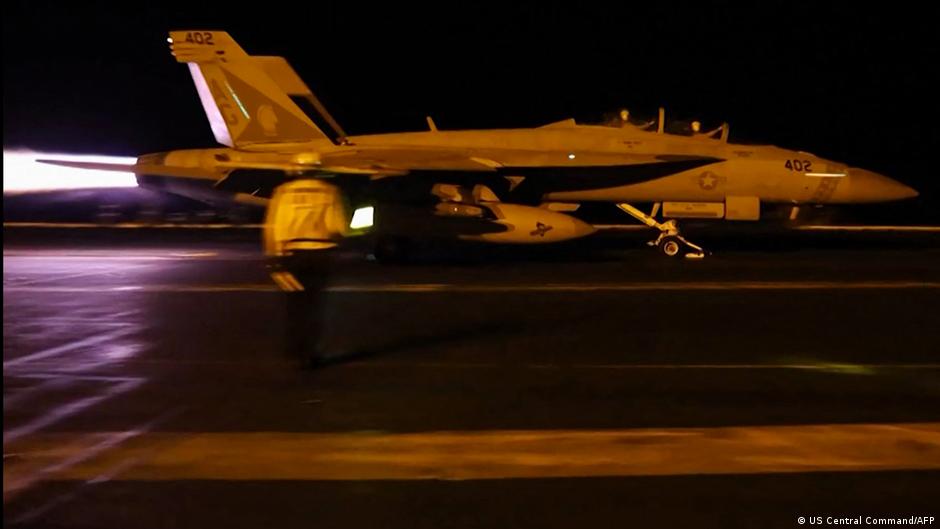
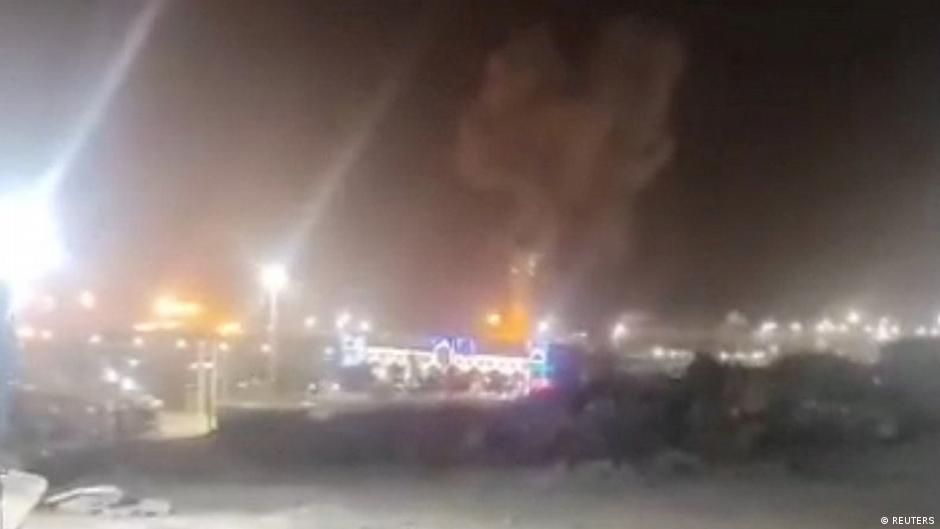
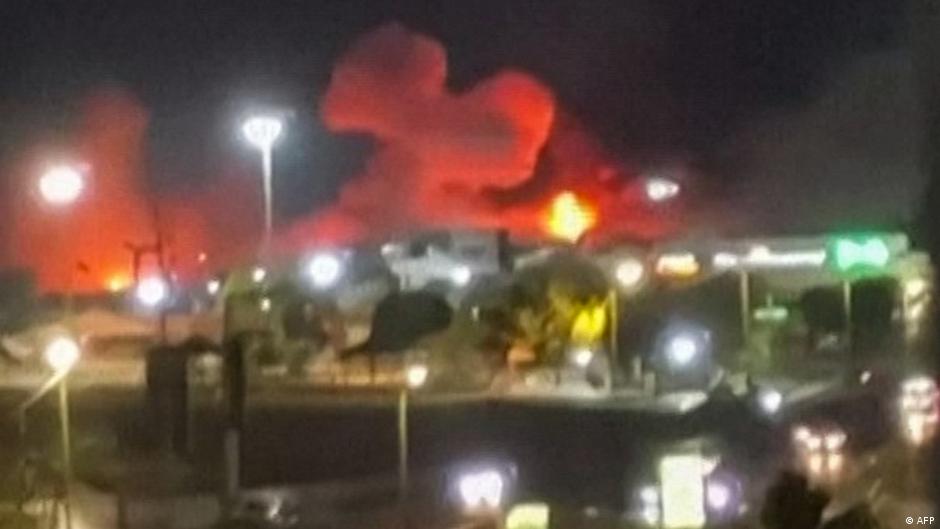
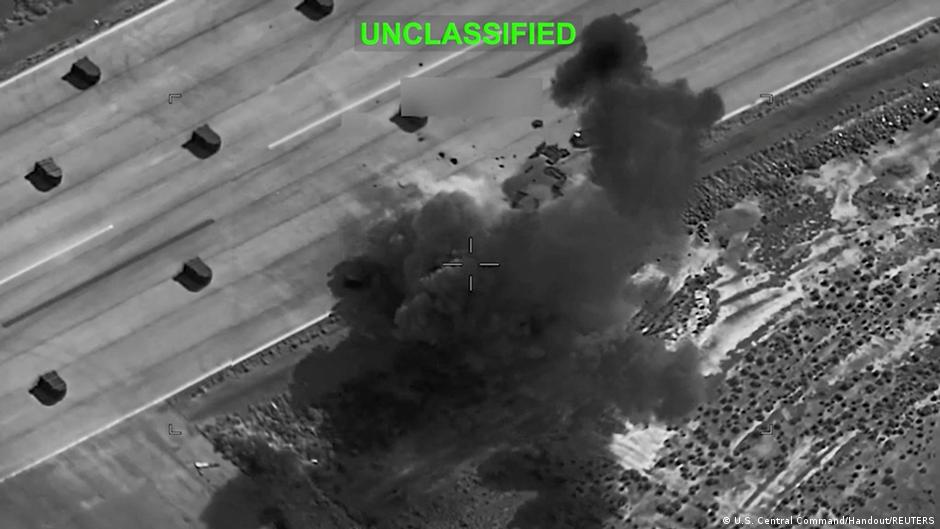
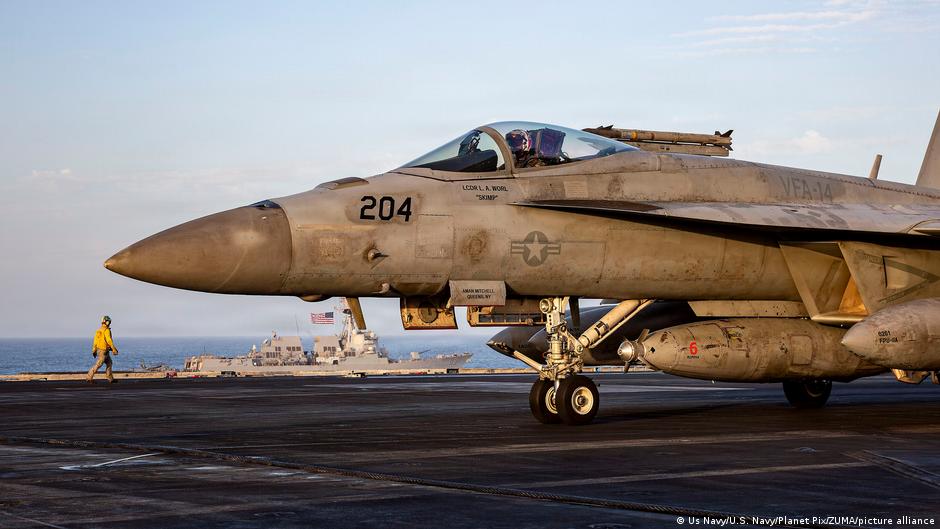
CENTCOM says it destroyed five Iranian oil tankers after missile attacks on a U.S. Navy ship, escalating pressure on Tehran’s oil network.

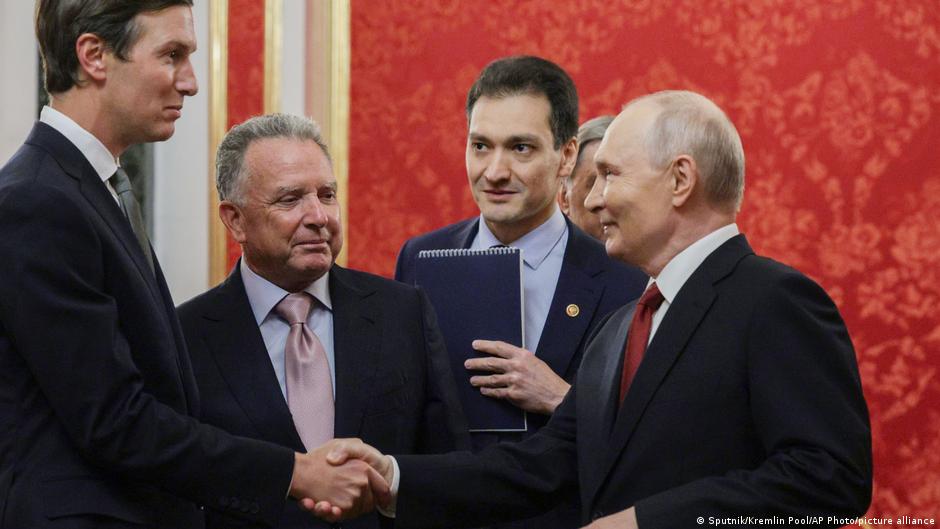
U.S. envoys discussed Ukraine war plans with Putin before heading to Kyiv, in a diplomatic push with broad strategic and business implications.

US threats to Oman amid stalled US-Iran talks threaten regional stability and the future of maritime control in the critical Strait of Hormuz, impacting energy markets and corporate strategies.

President Trump signals intent to declare the Strait of Hormuz US territory, implying indefinite military presence amid contested control with Iran impacting global oil supply.

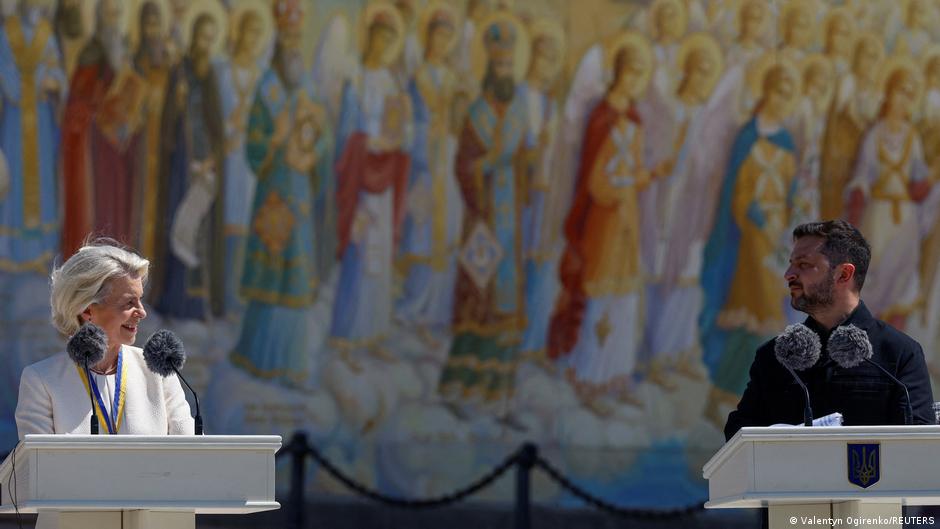
The EU Commission and Ukrainian President welcome new US Senate sanctions targeting Russia's energy exports and political elite, emphasizing coordinated pressure on Moscow's war financing.

Ukraine’s Security Service reports a 40-day campaign targeting over 100 Russian strategic assets, focusing on military and energy infrastructure to pressure Russia towards peace.

President Trump announces a new phase of U.S.-Iran negotiations starting August 3, emphasizing diplomacy over military action amid ongoing regional tensions.

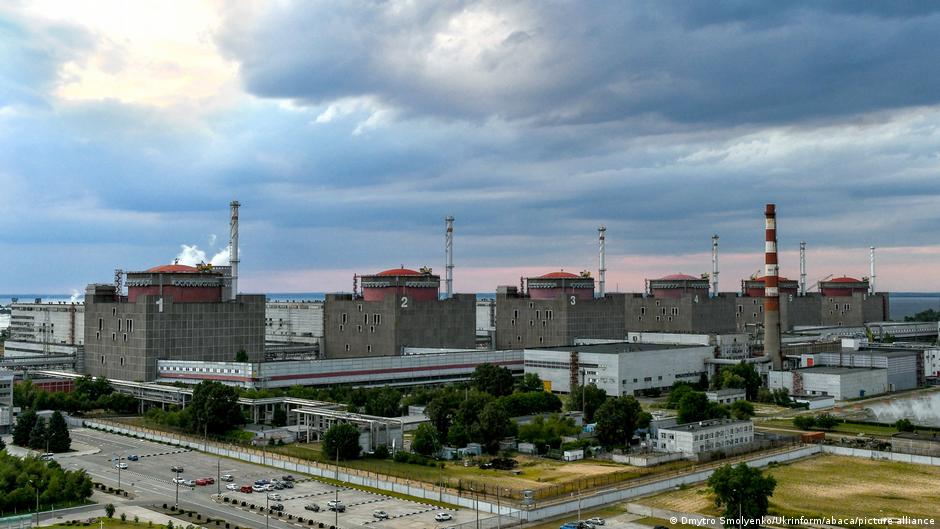
Zaporizhzhia NPP has lost external power supply 23 times since the conflict began, as Russia seeks to integrate the plant into its energy network amid security challenges.

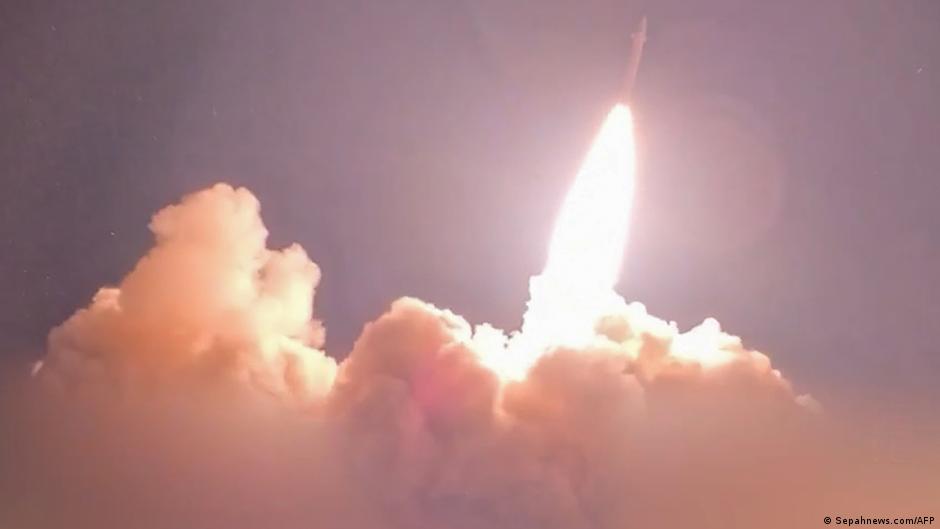
The US intercepted Iranian ballistic missiles targeting American forces, maintaining high readiness amid escalating Middle East tensions after recent airstrikes and strategic delays.

Ukraine’s Zelensky warns Russia plans to expand military mobilization in 2026 and deepen cooperation with North Korea, posing new strategic challenges amid ongoing conflict.

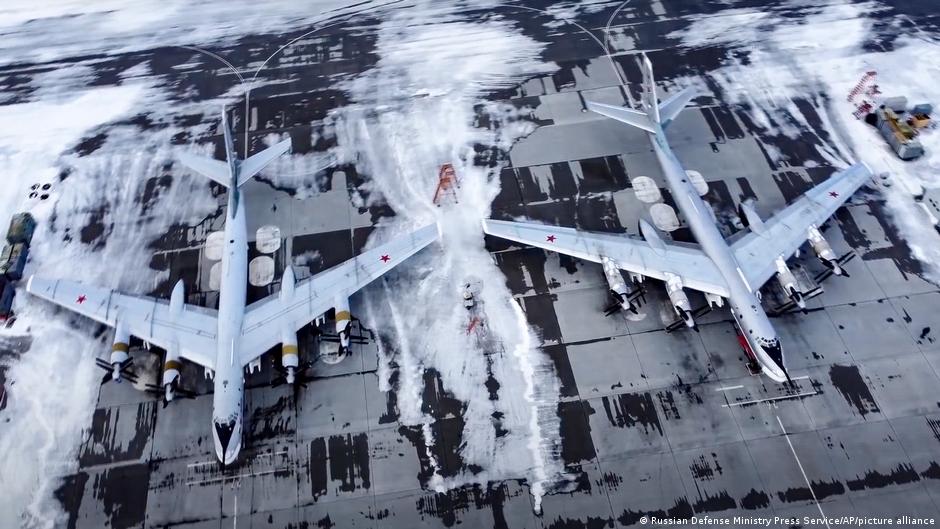
Drone strikes by Ukraine targeted Russian logistics warehouses, energy infrastructure, and a strategic bomber base, revealing evolving tactics to disrupt Russia’s military capabilities.

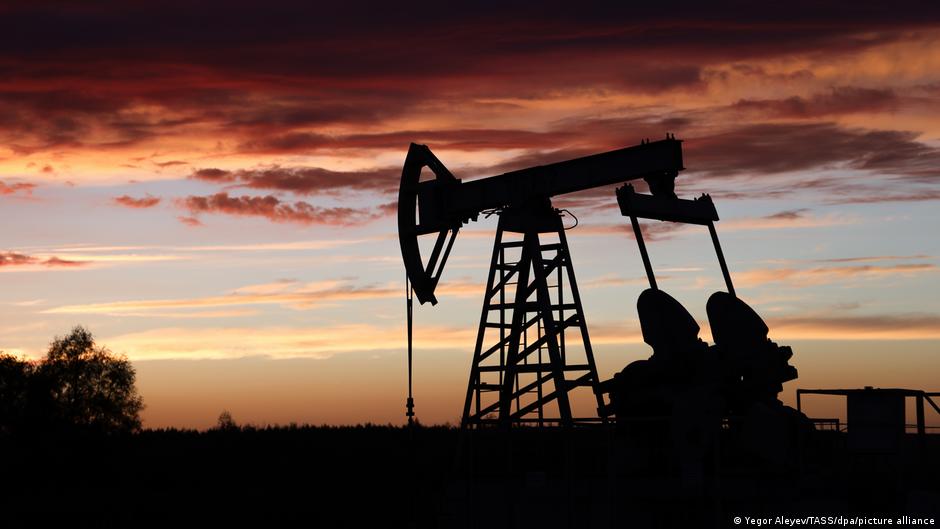
Russia's July oil and gas revenues may rise 60% year-on-year due to higher global prices, despite cumulative annual declines and ongoing EU sanctions targeting energy exports.

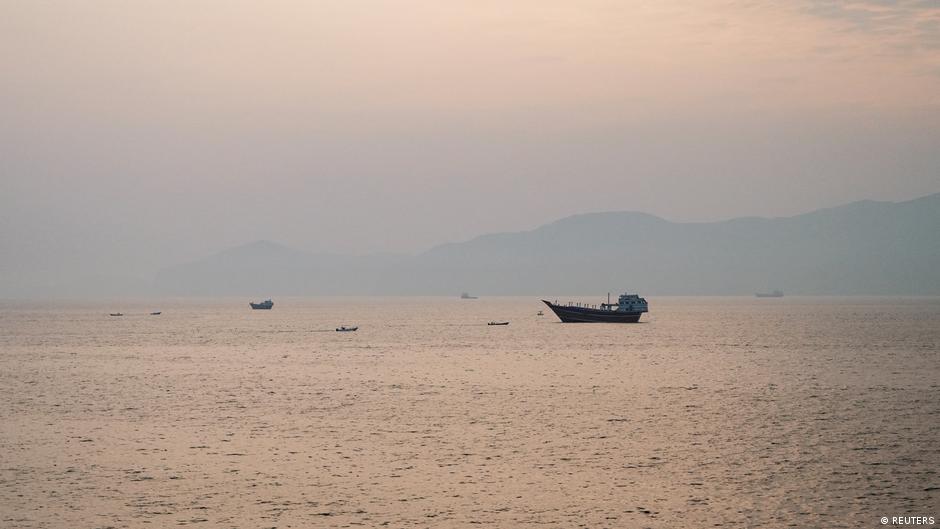
The IRGC mined an oil tanker in the Strait of Hormuz, escalating risks for global shipping and signaling Iran's intent to control this vital oil transit corridor amid regional tensions.

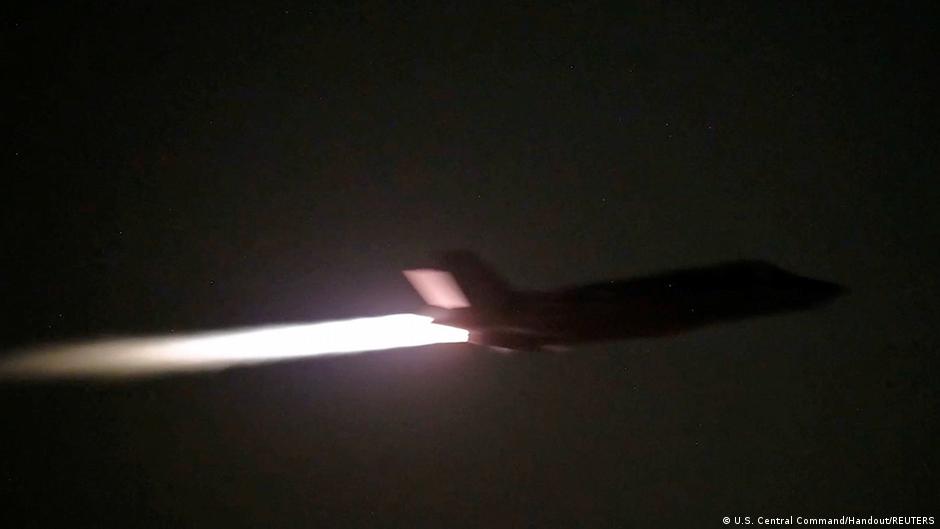
US Central Command has carried out 11 consecutive nights of strikes on Iranian military targets amid escalating attacks in the Gulf, raising regional tensions and impacting global shipping.

US forces have launched a ten-day series of strikes against Iran targeting military infrastructure, intensifying regional tensions and disrupting critical shipping lanes in the Strait of Hormuz.

US military deaths in the conflict with Iran rise to 17 as new casualties occur and strategic deployments increase amid escalating regional tensions.

The US military has conducted nine consecutive nights of strikes against Iran to weaken its military capabilities amid escalating regional tensions affecting energy exports and maritime security.

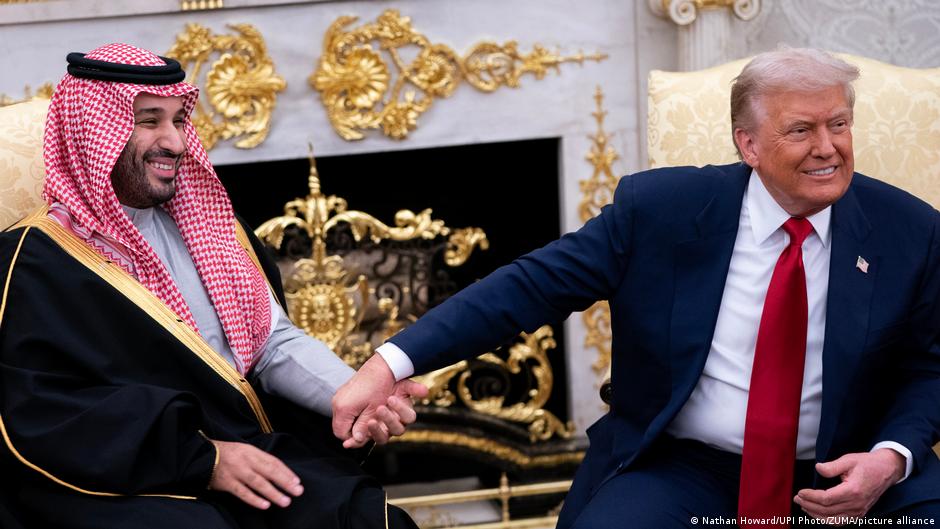
The Trump administration's proposed nuclear deal with Saudi Arabia may allow uranium enrichment without strict IAEA oversight, impacting regional security and business strategies.

The US has launched consecutive strikes on Iranian military and civilian infrastructure, prompting Iran's Revolutionary Guards to retaliate amid heightened regional tensions.

The US launched airstrikes on Iranian military and infrastructure targets and reinstated a maritime blockade, triggering retaliatory attacks on American bases in the Gulf region.

US forces have conducted new strikes on Iranian military targets to prevent attacks on commercial shipping in the Strait of Hormuz, escalating regional tensions and impacting global energy trade.

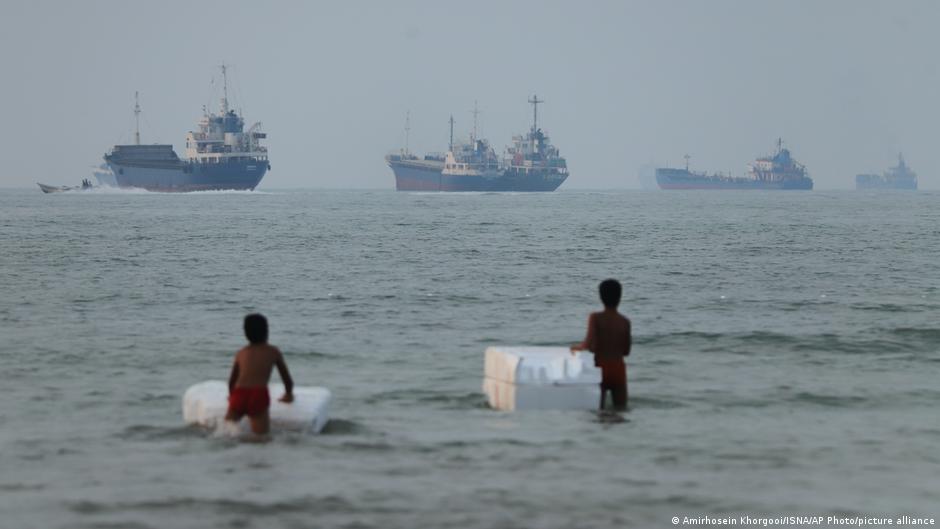
US military strikes Iran again after IRGC attacks on civilian shipping, closing the strategic Strait of Hormuz and impacting global oil trade.

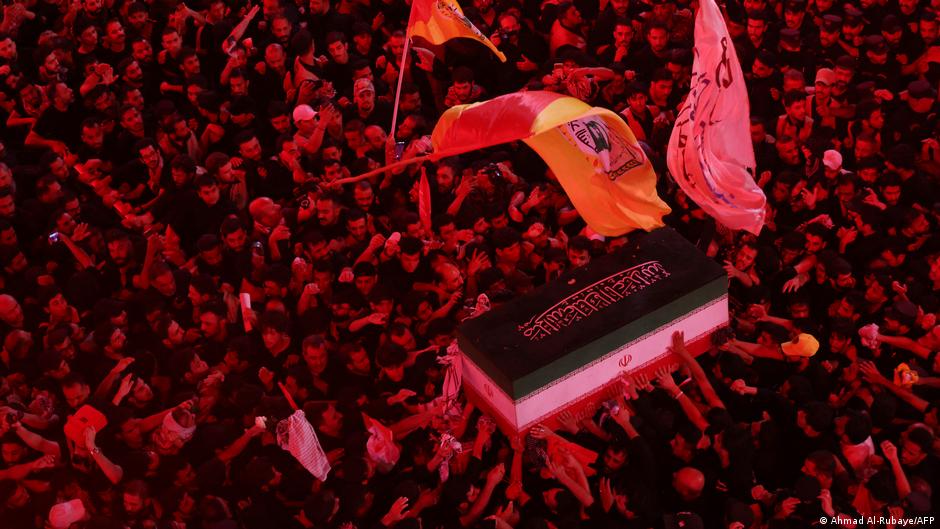
Iran buried former Supreme Leader Ali Khamenei after a U.S.-Israel strike, highlighting uncertainties in leadership transition and escalating regional tensions.

The US has intensified military strikes against Iran targeting maritime interference in the Strait of Hormuz following tanker attacks, escalating regional tensions and economic sanctions.

US military strikes on Iran following tanker attacks intensify regional tensions amid renewed oil sanctions and stalled diplomatic talks over maritime security.

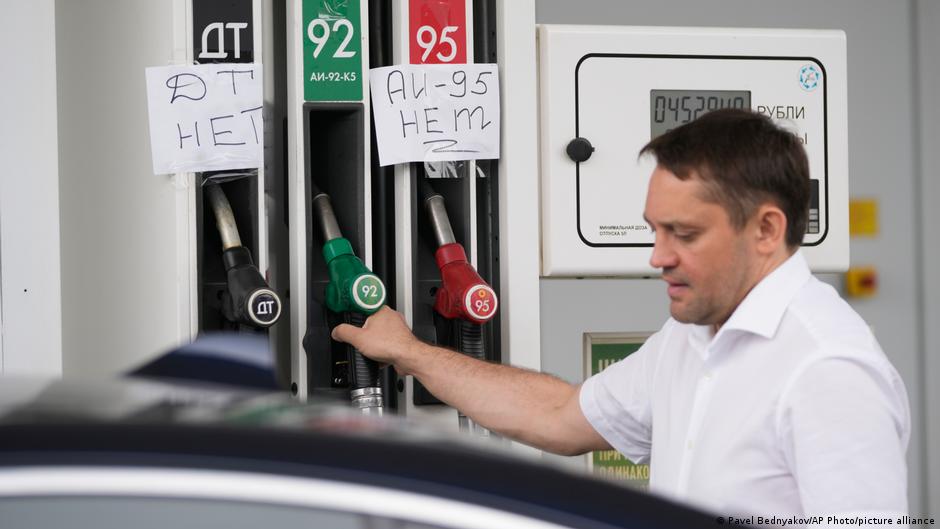
Russia allows production and sale of Euro-3 gasoline and diesel until end of 2026 to ease fuel shortages caused by attacks on refineries, excluding exports to EAEU states.

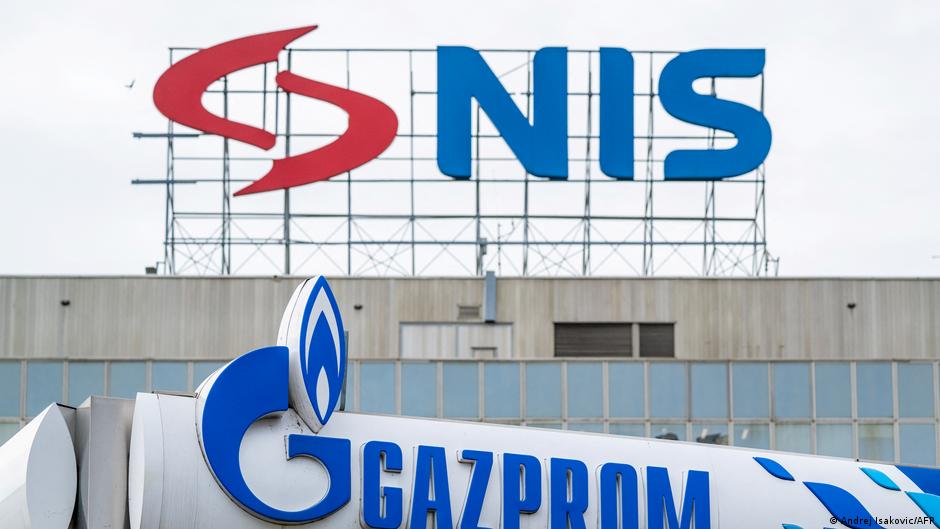
US extends temporary license for Serbian oil company NIS, allowing continued operations amid delays in Gazprom’s stake sale to MOL under sanctions.

The US and Iran agreed to halt attacks until June 30 ahead of talks to restore free navigation through the strategic Strait of Hormuz, impacting global oil markets.

US military strikes Iranian targets after attacks on commercial tankers near the Strait of Hormuz, escalating tensions that threaten critical global shipping lanes.

The US and Iran exchanged military strikes after a drone attack on a Singapore-flagged cargo ship in the Strait of Hormuz, raising tensions and impacting global energy markets.

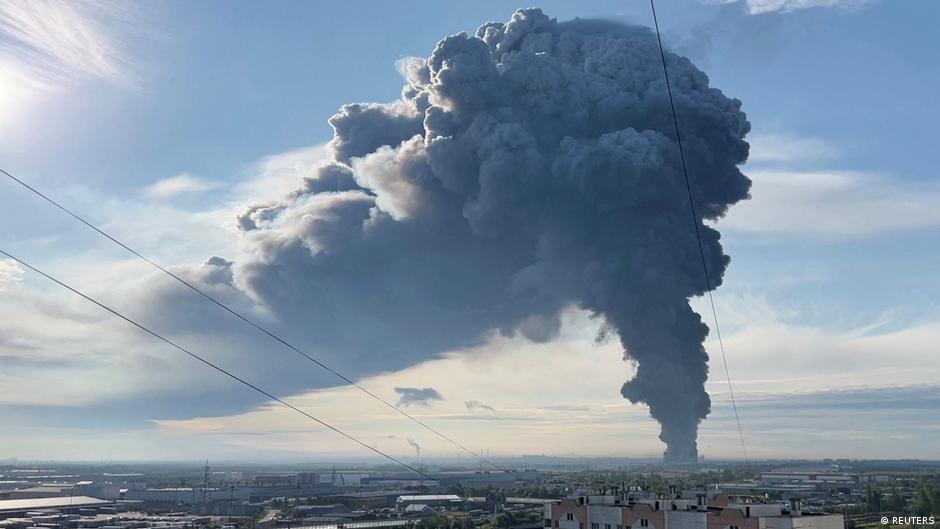
Russian regions impose fuel purchase limits due to supply disruptions from Ukrainian drone attacks on oil infrastructure, affecting over 50 regions nationwide.

The US and Iran have agreed on a communication channel to prevent incidents in the Strait of Hormuz, establishing a 60-day roadmap for final agreements amid ongoing regional conflicts.

The US may impose transit fees on vessels through the Strait of Hormuz if Iran talks fail, affecting energy shipments and regional maritime strategy.

Germany urges Turkey to exclude Russian gas from future EU energy contracts, highlighting geopolitical shifts and challenges in transitioning energy sources.

US envoy Stephen Whitcoff travels to Switzerland to resume Iran nuclear talks delayed by regional conflict, with critical mediation and financial terms under negotiation.

The US has lifted its blockade of the Strait of Hormuz, facilitating oil transit and initiating a 60-day negotiation period toward a peace agreement with Iran.

Pakistan announces the immediate reopening of the Strait of Hormuz following a ceasefire memorandum signed by the US and Iran, signaling shifts in regional trade and energy markets.

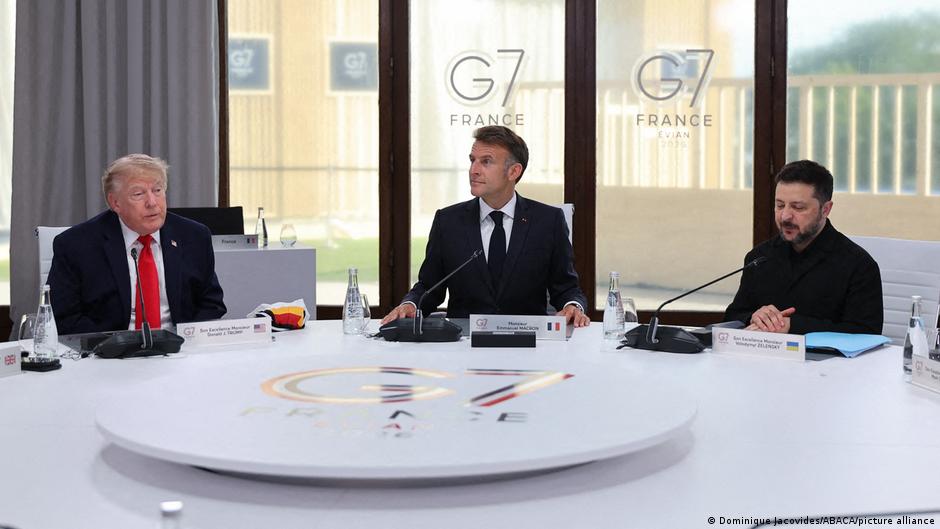
G7 leaders pledge new sanctions targeting Russia's oil and gas sectors and increase military aid to Ukraine, including advanced weaponry and support for domestic arms production.

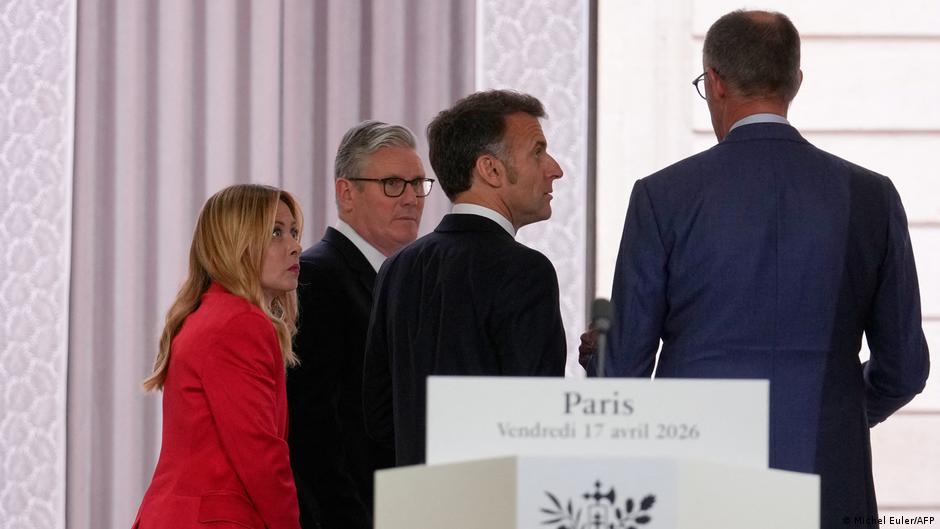
European leaders back the US-Iran peace deal emphasizing rapid execution, nuclear non-proliferation, and restoring free navigation through the strategic Strait of Hormuz.