US Military Strikes Iran Again as Strait of Hormuz Closes Amid Rising Tensions
US forces launch a third wave of strikes on Iran following attacks on civilian vessels, leading to closure of the vital Strait of Hormuz shipping lane.
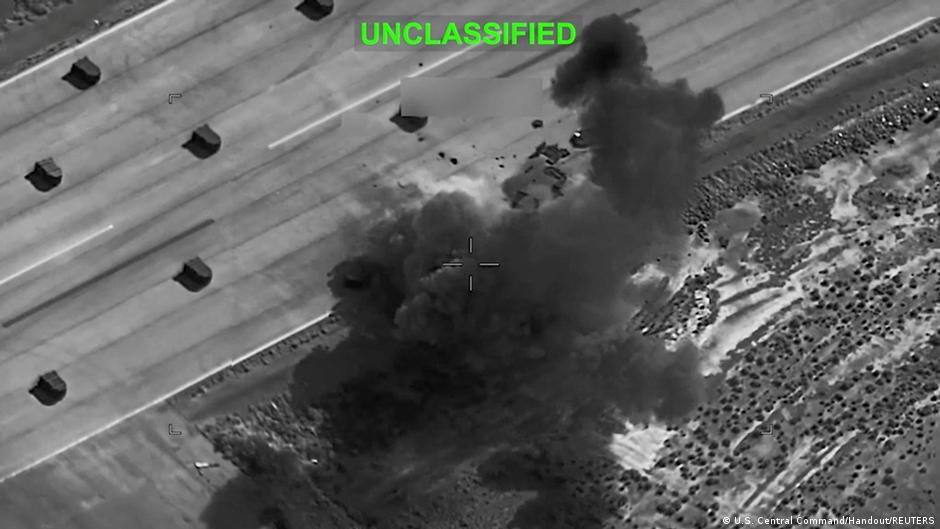
In a significant escalation of tensions in the Persian Gulf, US military forces carried out a third wave of strikes against Iran overnight on July 12, responding to recent attacks by Iran's Islamic Revolutionary Guard Corps (IRGC) on civilian shipping in the Strait of Hormuz. The closure of this strategically crucial maritime corridor, which handles around 20% of global oil trade, poses serious risks to international energy markets and regional stability.
Military Actions and Strategic Implications
The US Central Command (CENTCOM) confirmed the latest strikes were retaliatory measures following an IRGC attack on the container ship GFS Galaxy, flying the Cypriot flag, while transiting the Strait of Hormuz. The attack resulted in a fire and significant damage to the ship's engine room, forcing it to cease operations, and one crew member has been reported missing.
"Iran was given another opportunity to comply with the Memorandum of Understanding after being held accountable for previous attacks on commercial vessels, but it failed once again," CENTCOM stated on social media platform X. "In response, the United States is inflicting serious damage aimed at weakening Iran's capacity to threaten civilian mariners and commercial shipping freely passing through the Strait." US Defense Secretary Pete Hegseth underscored the US stance, saying, "Iran made the wrong choice. Now they are paying the price."
The IRGC claimed their actions were defensive, firing warning shots at the vessel after it allegedly deviated from Iran-approved shipping routes and disabled its tracking systems. They declared the Strait of Hormuz would remain closed until US military interventions in the region cease, threatening further attacks on US bases in the Middle East should US strikes continue.
Broader Geopolitical and Business Context
This latest confrontation follows a fragile framework agreement signed on June 17 between the US and Iran aimed at de-escalating hostilities and reopening the Strait for safe passage. However, this accord unraveled rapidly after an armed drone attack on a civilian tanker on June 25, which the US attributed to Iranian forces, triggering reciprocal military responses.
US strikes have repeatedly targeted Iranian military infrastructure, including radar installations and weapons storage facilities, while Iranian attacks have extended to nearby Gulf states such as Bahrain and Kuwait. At the NATO summit on July 8, President Donald Trump declared the memorandum null and void, describing Iranian leadership as "evil, sick people," dismissing direct negotiations but allowing his envoys to continue discussions if they choose. Concurrently, the US reinstated oil sanctions against Iran, tightening economic pressures.
Closed-door talks between US and Iranian officials reported by Reuters on July 11 revealed Tehran attributing recent attacks to rogue elements within its system, acknowledging failures and expressing willingness to engage in dialogue. A Washington source was quoted saying, "They told us: 'We failed. We made a mistake. Let's talk.'"
"Iran was given another opportunity to comply with the Memorandum of Understanding after being held accountable for previous attacks, but it failed once again." — CENTCOM
The ongoing hostilities and shipping disruptions in the Strait of Hormuz have profound implications for global energy supply chains and corporate risk management. Businesses reliant on Middle Eastern oil exports face heightened uncertainty, prompting potential shifts in supply routes, insurance costs, and strategic planning.
For companies involved in maritime logistics, energy trading, and regional infrastructure investments, the evolving security landscape demands close monitoring and contingency strategies. The interplay of military actions, diplomatic efforts, and economic sanctions underscores the complex competitive environment influencing business operations in this geopolitically sensitive region.