EU Commission Recommends Withholding €2 Million from Venice Biennale Over Russian Participation
European Commission urges cultural funding agency to cut Venice Biennale’s subsidy amid controversy over Russia’s involvement.
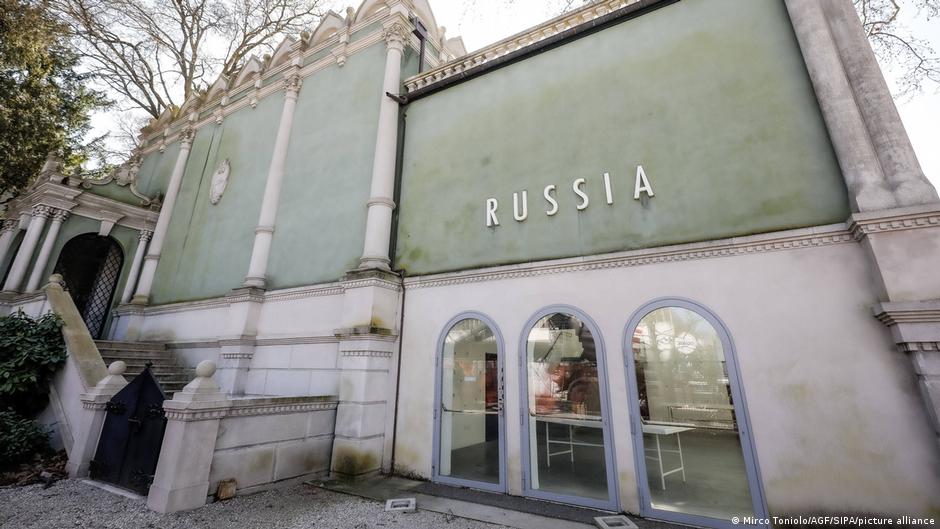
The European Commission has formally recommended that the European Education and Culture Executive Agency (EACEA) withhold a €2 million subsidy from the Venice Biennale due to the inclusion of Russia’s pavilion in the prestigious cultural event.
Henna Virkkunen, Executive Vice-President of the European Commission for Technology Sovereignty, Security, and Democracy, announced the decision on social media, citing a thorough evaluation of the Biennale organizers’ justification for allowing Russia’s return to the forum. "Culture in Europe, funded by taxpayers, must support and protect democratic values. These values are not respected in today’s Russia," Virkkunen stated.
Strategic Implications for Venice Biennale and EU Cultural Funding
Russia’s participation in the Venice Biennale for 2026 marked the country’s first appearance since launching its full-scale invasion of Ukraine, provoking sharp criticism from Brussels and Kyiv. The Russian pavilion was met with protests, including demonstrations by activist groups such as Femen and Pussy Riot, underscoring the political sensitivity surrounding its presence.
The decision to cut funding stems from the EU’s broader strategy to align cultural support with political and ethical considerations, particularly regarding adherence to EU sanctions. On April 21, EU Foreign Affairs Chief Kaja Kallas declared the bloc’s intention to reduce Venice Biennale funding due to Russia’s reinstatement. Subsequent warnings from the European Commission to the Italian government and event organizers stressed that Russia’s participation violates EU sanctions because the pavilion is government-operated, effectively providing indirect financial aid to the Kremlin.
The Venice Biennale’s president, Pietrangelo Buttafuoco, defended the decision to allow Russia’s participation, emphasizing a commitment to freedom of speech. However, the European Commission’s stance illustrates a shift in how cultural institutions’ management decisions are scrutinized within the EU’s geopolitical framework.
"Culture in Europe, funded by taxpayers, must support and protect democratic values. These values are not respected in today’s Russia." – Henna Virkkunen, European Commission
For the Venice Biennale, this development raises critical questions about its funding model and strategic positioning in a contested geopolitical environment. The potential loss of €2 million in subsidies could affect its programming and international partnerships, while placing additional pressure on management to navigate complex political dynamics amid the ongoing conflict in Ukraine.
From a broader perspective, the EU’s approach signals increased integration of diplomatic priorities into cultural and artistic domains, impacting how multinational events structure participation and funding compliance. The Biennale’s management and stakeholders face the challenge of balancing artistic freedom with political accountability and regulatory demands.