Russian Drone Strikes Hit Kharkiv Residential Areas and Food Industry Facility in Dnipro
Multiple drone attacks by Russian forces damaged over 20 homes in Kharkiv and targeted a food industry enterprise in Dnipro with no casualties reported.
Overview of the Recent Russian Drone Attacks in Ukraine
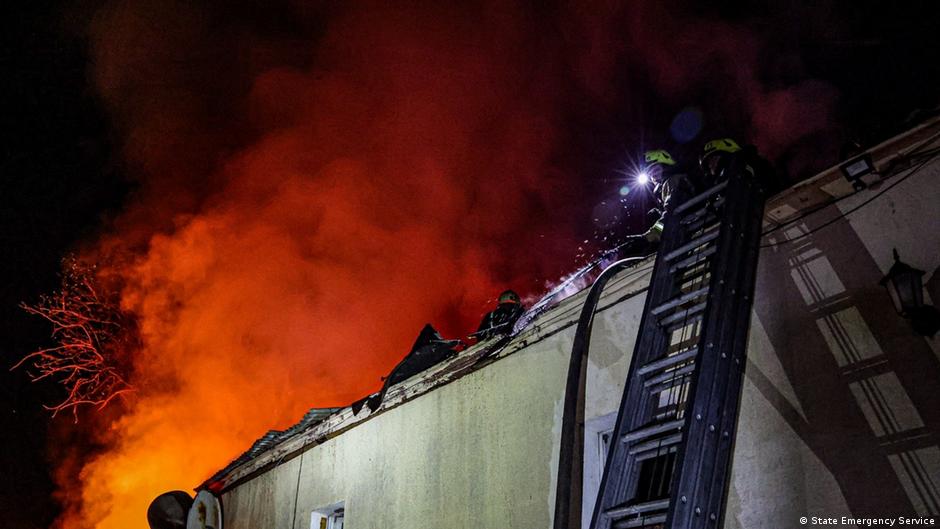
On the night of July 12, Russian forces launched a series of drone strikes targeting key urban areas in Ukraine, with a focus on Kharkiv and Dnipro. These coordinated attacks included unmanned aerial vehicles (UAVs) and precision-guided munitions, resulting in significant property damage and civilian injuries, underscoring the ongoing tensions and strategic targeting of infrastructure within Ukrainian territory.
In Kharkiv, drone strikes were confirmed across three districts: Shevchenkivskyi, Kyivskyi, and Saltivskyi. The Shevchenkivskyi district bore the brunt of the assault, where over 20 residential buildings sustained damage. The attack resulted in injuries to two individuals, including a 16-year-old girl, with three people seeking medical assistance in total. Additionally, a garage cooperative in the Kyivskyi district caught fire due to the drone impact, contributing to material losses.
Parallel to the incursions in Kharkiv, Russian forces targeted an enterprise in the food industry sector located in Dnipro. According to regional administration officials, no casualties have been reported from this strike, but it highlights the strategic aim of disrupting Ukraine's industrial capabilities and economic infrastructure.
Strategic Implications and Management of the Attacks
These drone attacks form part of a broader campaign involving a variety of missile systems and unmanned technologies. Overnight, Ukrainian Air Force sources reported multiple launches of UAVs and precision-guided bombs directed towards several oblasts, including Sumy, Zaporizhzhia, Donetsk, Poltava, and Odesa. The use of advanced missile systems such as Iskander-M and S-400 ballistic missiles, alongside cruise missiles and anti-radiation missiles, signals a sustained effort to undermine Ukrainian defense and civilian resilience.
"The attacks demonstrate a calculated strategy to target both civilian residential zones and critical industrial facilities, potentially aiming to weaken economic stability while inflicting psychological impact on local populations," said a defense analyst following the events.
This multifaceted assault strategy presents significant challenges for Ukrainian civil and military leadership. It necessitates a coordinated emergency response to protect civilians, manage infrastructure repair, and maintain industrial operations amid ongoing hostilities. The damage to residential properties in Kharkiv calls for urgent rebuilding efforts and resource allocation to mitigate humanitarian impact.
Meanwhile, the targeted strike on the food processing enterprise in Dnipro underscores the vulnerability of Ukraine’s industrial sector to aerial attacks. This presents risks to supply chains and regional economic output, highlighting the need for enhanced protective measures and risk management strategies within the corporate and governmental sectors.
From a corporate governance perspective, these events stress the imperative for Ukrainian businesses to develop robust contingency plans against conflict-related disruptions. Strengthening operational resilience, diversifying supply chains, and investing in security infrastructure are critical steps for companies operating in conflict zones.
Looking ahead, the competitive landscape for Ukrainian industries is likely to be shaped by their capacity to adapt to and recover from such assaults. International support and investment in reconstruction and security will be pivotal.