Russian Strikes on Kyiv Add Risk to Ukraine’s Logistics and Industrial Base
The overnight attack hit residential areas, educational property and business infrastructure as Kyiv and Moscow weighed a possible return to three-way talks.

Russian forces carried out overnight strikes on Kyiv using drones and ballistic missiles, according to the Kyiv City Military Administration, adding fresh pressure on Ukraine’s urban infrastructure, emergency services and business logistics at a sensitive moment for diplomacy.
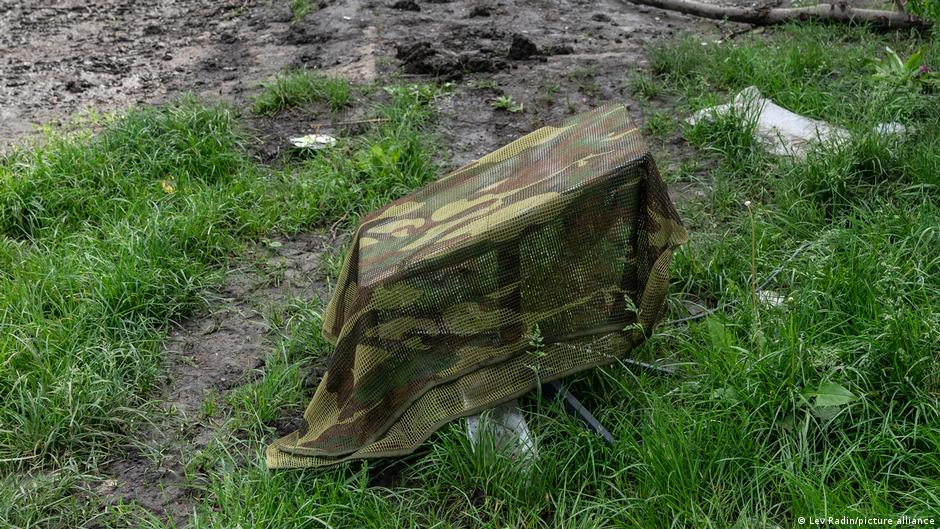
The attack, reported during the night of September 8, affected several districts of the Ukrainian capital. Kyiv Mayor Vitali Klitschko said a fire broke out on the grounds of an educational institution in the Holosiivskyi district after the Russian strike. In the Solomianskyi district, debris fell on a five-story residential building, while another three-story residential building was damaged elsewhere. A fire also started in a warehouse facility, the city military administration said.
Klitschko said a medical team was dispatched to the Solomianskyi district. According to preliminary information cited by the mayor, six people were injured as a result of the shelling. The Kyiv City Military Administration also reported that a vehicle was damaged in the Darnytskyi district after debris fell. Fires broke out in non-residential zones in the Podilskyi and Darnytskyi districts, Klitschko said, while the city military administration specified that garages and cars were burning.
The immediate civilian impact was significant, but the attack also carried broader economic implications. Kyiv is not only Ukraine’s political center but also a hub for management functions, logistics coordination, service companies, education, technology and public administration. Strikes that damage homes, warehouses, vehicles, garages and industrial-adjacent facilities can disrupt labor availability, transport planning and corporate continuity even when major production assets are not directly targeted.
According to preliminary information cited by Kyiv Mayor Vitali Klitschko, six people were injured in the shelling.
Pressure on Logistics and Industrial Operations
The business dimension was clearer in Kyiv region, where Russian drone strikes late on September 7 hit the Boryspil and Fastiv districts, according to Ukraine’s State Emergency Service. In the Boryspil district, fires broke out at industrial enterprises. At one of them, the fire destroyed seven trucks. The emergency service also said the building of one logistics complex was attacked twice. Rescuers arrived promptly and extinguished the fires.
For companies operating in and around Kyiv, damage to trucks and logistics premises is more than a balance-sheet loss. Trucks are core working assets in distribution networks, especially during wartime conditions in which rerouting, fuel planning, security protocols and driver availability already complicate operations. A logistics complex being attacked twice also points to the vulnerability of supply-chain nodes that connect manufacturers, retailers, humanitarian deliveries and public-sector procurement.
Industrial fires in the Boryspil district may have limited or localized consequences depending on the affected enterprises, but the strategic message to management teams is broader: physical resilience remains a board-level issue in Ukraine. Companies must consider whether storage sites, fleet parking, dispatch centers and back-office operations are sufficiently dispersed. For multinational firms and domestic groups alike, continuity planning is not an abstract governance exercise but a condition for remaining operational.
The strikes came as Ukraine’s political leadership was discussing the possibility of renewed negotiations involving Kyiv, Washington and Moscow. The timing matters for business leaders because any shift in the diplomatic track could affect risk pricing, investment decisions, insurance assumptions and corporate planning horizons. Yet the military events underlined that, even amid discussion of negotiations, the operating environment remains exposed to abrupt escalation.
Diplomacy and Management Risk
Special representatives of U.S. President Donald Trump, Steve Witkoff and Jared Kushner, left Kyiv during the night of September 7. Following their meeting, Ukrainian President Volodymyr Zelensky said Ukraine was ready for three-party talks in a Ukraine-U.S.-Russia format. Moscow also did not rule out the possibility of resuming a three-way negotiating format, though Kremlin spokesman Dmitry Peskov said it was premature to discuss the location and timing.
For corporate decision-makers, the juxtaposition of diplomatic signaling and overnight attacks complicates strategic judgment. A possible negotiating format may suggest a future path toward reduced uncertainty, but the latest strikes demonstrate that near-term operational risks remain high. This dual reality forces executives to plan for continuity under fire while monitoring whether political channels could eventually change the investment climate.
The competitive landscape inside Ukraine is also shaped by these disruptions. Firms with deeper capital reserves, redundant transport capacity, stronger security planning and diversified facilities are better positioned to absorb shocks. Smaller logistics providers, warehouse operators, industrial suppliers and service firms may face greater strain if vehicles, premises or staff housing are damaged. Repeated disruptions can therefore accelerate consolidation pressures or shift market share toward companies able to maintain delivery reliability.
Management decisions will increasingly turn on resilience spending: backup sites, distributed fleets, insurance coverage, staff support, emergency communications and supplier redundancy. These investments raise costs, but the alternative is heightened exposure to sudden asset losses and operational shutdowns. For businesses in Kyiv and its surrounding districts, the latest attack reinforces the need to treat security risk as part of core strategy rather than a separate contingency function.
The reported damage across residential, educational, warehouse, vehicle and industrial sites shows how wartime strikes blur the line between civilian infrastructure and commercial operating systems. Even when a company is not directly hit, staff displacement, blocked residents, damaged transport, emergency closures and fires in non-residential areas can all interrupt normal activity.
As Kyiv assesses the aftermath, the business takeaway is stark: diplomatic possibilities are returning to the conversation, but the competitive and operational environment remains defined by volatility. Companies with Ukraine exposure must continue to evaluate not only market demand and financing conditions, but also the resilience of the physical networks that allow commerce to function.