Ukrainian Security Service Executes 40-Day Strategic Campaign Targeting Russian Military Infrastructure
Ukraine's Security Service reports extensive strikes on Russian strategic assets aimed at diminishing military and economic capabilities.
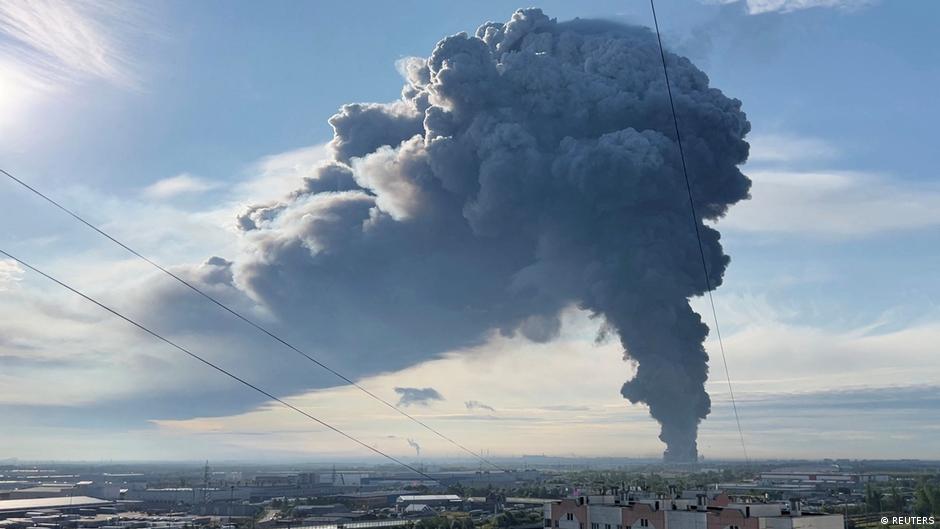
Over a sustained 40-day operation, Ukraine's Security Service (SBU) has conducted a series of precise strikes against more than 100 strategic targets across Russia and temporarily occupied Ukrainian territories. This campaign, officially endorsed by President Volodymyr Zelensky on June 25, aims to pressure the Russian Federation towards peace by systematically degrading its military and economic infrastructure.
Strategic Targeting of Military and Energy Assets
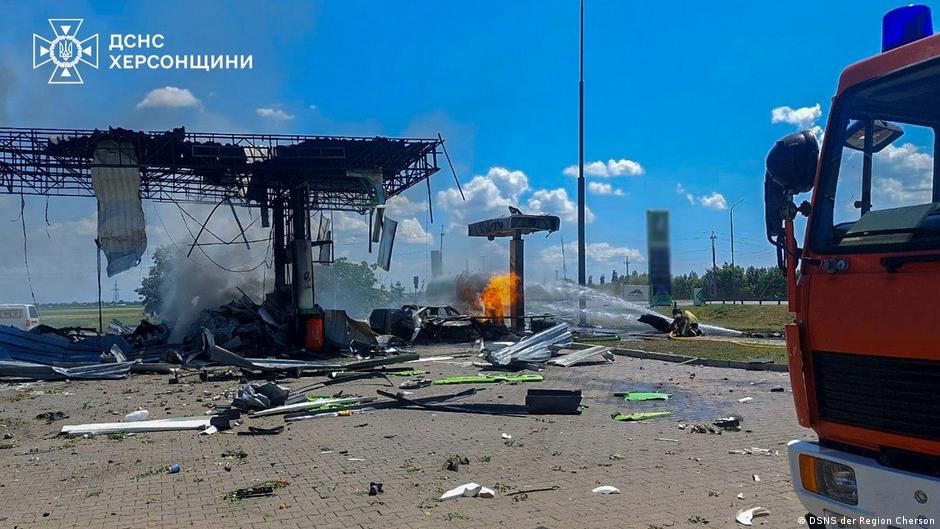
The SBU’s operation reportedly resulted in damage to a broad spectrum of Russian military-industrial assets, including aviation bases, air defense systems, command centers, and naval vessels. Notably, the campaign struck at key nodes in Russia’s fuel and energy sector, targeting 14 oil refining plants, multiple oil depots, storage facilities, pumping stations, oil terminals, and even an offshore oil platform.
“The 40-day campaign focused on simultaneously weakening critical components of Russia’s war machine, with ongoing efforts to reduce its military-economic potential,” the SBU stated in their communication.
In addition to onshore infrastructure, the SBU engaged maritime targets such as sanctioned tankers Blue, Louise 1, Banda, Avero, and two other cargo vessels. These actions highlight a deliberate strategy to disrupt Russia’s logistical and supply chains, aiming to curtail its operational sustainability.
Operational Impact and Strategic Implications
According to the SBU, more than 21,000 units of Russian military equipment and infrastructure were neutralized, with nearly 5,000 Russian military personnel killed as a result of the campaign. The breadth of targets — from military installations to energy infrastructure — indicates a comprehensive approach designed to erode both frontline combat capacity and the backend support systems essential for prolonged conflict.
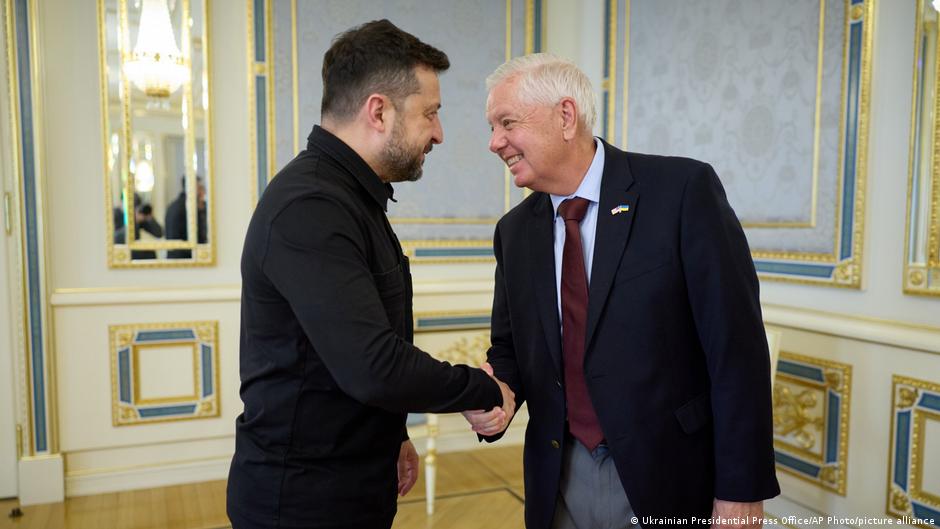
President Zelensky’s endorsement of the operation underscores a strategic shift towards leveraging intelligence and special operations to impose sustained economic and military pressure on Russia. This integrated approach aims to force a recalibration of Russia’s engagement in the conflict by targeting the foundations of its military power.
Following the initial campaign, Zelensky coordinated with acting SBU chief Major General Oleksandr Poklad to authorize further operations, signaling an ongoing commitment to this multipronged strategy.
Business and Geopolitical Considerations
From a corporate and economic perspective, the targeted attacks on Russia’s fuel and energy infrastructure have significant implications. The disruption of refining capacity and transport logistics not only impacts military mobility but also undermines Russia's ability to sustain its energy exports, a critical revenue source amid global sanctions. This strategic targeting could accelerate existing pressures on Russian energy companies and contribute to shifts in global energy markets.
Moreover, the campaign’s focus on sanctioned vessels indicates a concerted effort to enforce international sanctions regimes, complicating Russia’s access to maritime logistics and trade channels. The emphasis on integrated military and economic targets reflects a sophisticated understanding of how to strategically degrade an adversary’s warfighting and economic resilience concurrently.
Looking forward, continued operations along these lines may prompt Russian defense and commercial enterprises to adapt their strategies, potentially accelerating efforts to diversify supply chains, enhance asset protection, or shift operational priorities. For international businesses and investors, monitoring these developments is essential to assess risk exposure and anticipate shifts in the competitive landscape related to Russian energy and defense sectors.