Trump Signs Graham Sanctions Law, Expanding U.S. Leverage Over Russia
The measure gives the White House broad discretion to target buyers of Russian energy while reshaping trade pressure on China and other markets.
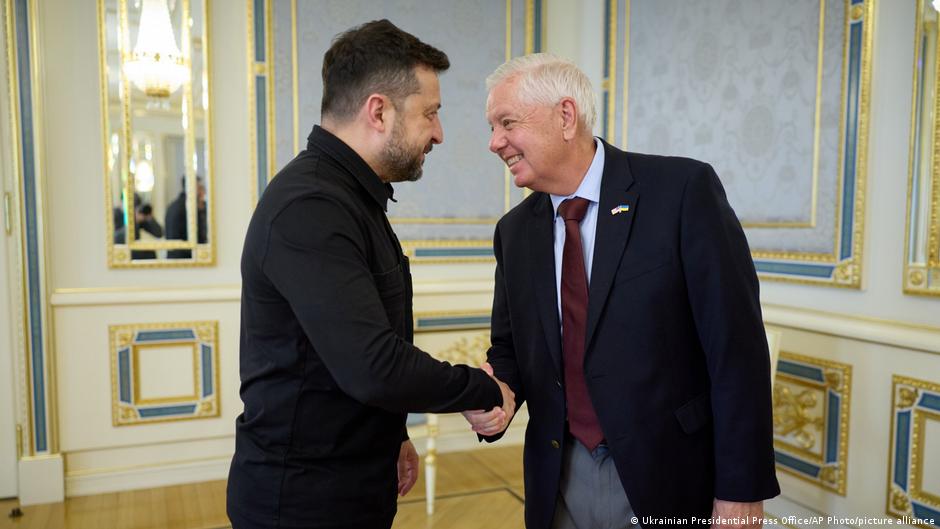
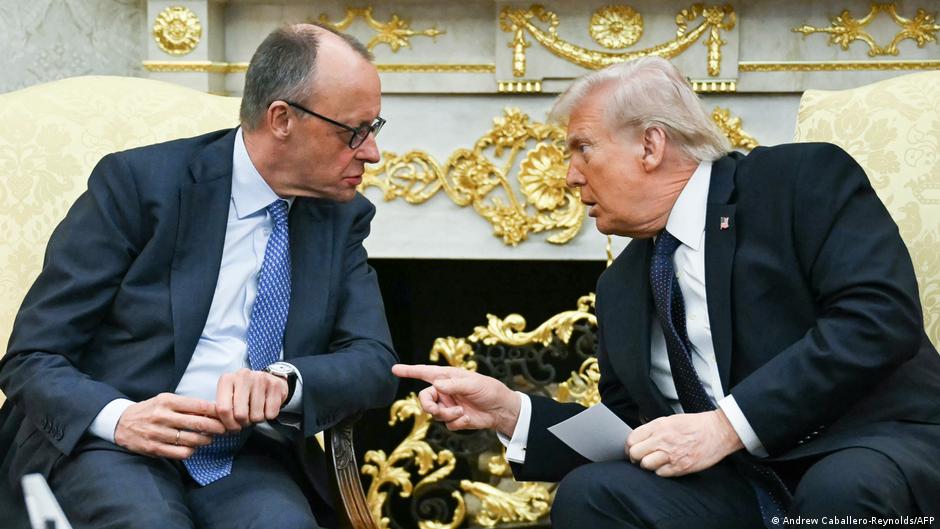
U.S. President Donald Trump on Friday, September 18, signed legislation tightening sanctions on Russia over its continuing war against Ukraine, enacting a measure developed and promoted by the late Republican Senator Lindsey Graham after roughly a year and a half of lobbying. For companies, banks and energy importers exposed to Russian oil and gas, the new law creates a broader and more discretionary sanctions environment, with the White House now positioned as the central decision-maker on when and where penalties are applied.
The law allows the U.S. president to impose 100 percent tariffs on the five largest buyers of Russian oil and gas, as well as on five countries deemed to be helping Moscow circumvent energy sanctions. It also includes exemptions for countries that receive less than 15 percent of their consumed natural gas from Russia and are taking steps to reduce that import dependence.
Beyond energy buyers, the legislation provides for sanctions against Russian officials, banks, businesspeople and the so-called shadow fleet used to move sanctioned or restricted commodities. The text also references U.S. sanctions on Iran, extending their effect until 2031. That combination places the measure at the intersection of energy security, financial compliance, shipping risk and broader U.S. trade policy.
Presidential Discretion Becomes the Strategic Center
The final version of the bill differs significantly from earlier proposals by greatly expanding the authority of the U.S. president. Trump received the right to decide whether to introduce or cancel the measures specified in the legislation, a departure from the usual practice in which such actions require coordination with Congress. That shift matters for global companies because sanctions risk may now turn more heavily on White House judgment, diplomatic timing and trade strategy than on a fixed statutory trigger.
The legislation, known publicly and in the media as the Lindsey Graham law or the Graham bill, was introduced in April 2025 by Graham together with Democratic Senator Richard Blumenthal. Graham’s name later became firmly associated with the package, in part because Trump preferred communicating with his fellow Republican. The sanctions themselves came to be known as Graham sanctions.
The original bill contemplated tariffs of up to 500 percent on products from Russia as long as Moscow continued the war against Ukraine and refused peace talks. Under that approach, the U.S. president would periodically determine whether Moscow was ready for dialogue and, if it refused, impose sanctions. Because of the 500 percent threshold, the measures were described as “hellish.” The bill was also intended to affect products from countries buying Russian oil, though the tariff ceiling for Russian oil importers was later reduced to 100 percent.
Trump’s position shifted during debate over the Graham-Blumenthal initiative. At times he supported such measures, while at other points he opposed their adoption. The lobbying effort ultimately lasted about a year and a half. Graham did not live to see the bill enacted; the senator died on July 11, 2026.
Business Fallout Across Energy, Banking and Trade
For multinational companies, the law’s most immediate significance lies in the potential exposure of major Russian energy customers. A 100 percent tariff on large buyers of Russian oil and gas would alter procurement economics, raise compliance demands and force management teams to reassess supply chains, insurance, shipping arrangements and banking relationships. The exemption for countries with less than 15 percent Russian gas consumption offers a narrow path for governments and firms that can demonstrate both limited dependence and active reduction efforts.
The measure also increases pressure on institutions and intermediaries linked to Russian finance and trade. Sanctions against Russian banks and business figures could further complicate settlement, financing and due diligence for companies operating near Russia-related flows. The inclusion of the shadow fleet points to a sharper focus on maritime logistics, where ownership structures, flags, insurers and cargo documentation have become central to enforcement.
In strategic terms, the law may also give Trump a tool for extending his trade war against China. Because the final version allows the president to use its provisions more flexibly, its effect may reach beyond Russia policy into competitive pressure on countries seen as supporting or benefiting from Russian energy flows. For boards and executives, that raises the possibility that a measure framed around Ukraine could become part of wider commercial leverage in U.S. negotiations with major economies.
“Life in the United States is too expensive. Why should Congress or the House give the president unlimited authority to impose new tariffs around the world that will have negative economic consequences for the American people? I cannot do that,” House Democratic minority leader Hakeem Jeffries said, explaining his position.
Jeffries’ criticism captures the central business concern: tariff authority that is broad, global and discretionary can become difficult for companies to price. Importers may face higher costs, while exporters and financial institutions may have to plan around sudden changes in market access or compliance obligations. Supporters of the legislation, however, argue that it sends an important signal of U.S. support for Ukraine at a time when the intensity of fighting is increasing.
Ukrainian President Volodymyr Zelensky thanked Trump for signing the Graham sanctions law. In a post on his Telegram channel, Zelensky thanked all senators and members of the House of Representatives who supported the legislation and emphasized the importance of increasing pressure on Moscow to end the war.
“Senator Graham never doubted for a moment that America had enough strength to fight dictators and achieve results if it acted correctly,” Zelensky wrote.
For the competitive landscape, the law creates both a sanctioning instrument and a negotiating asset. Energy importers that continue buying Russian oil and gas may face greater U.S. pressure, while competitors that have already reduced Russian exposure could gain a relative advantage in Western markets. Banks, shipping companies and commodity traders are likely to respond by tightening screening and reassessing counterparties tied to Russian supply chains.
The key management decision now is not only whether firms are directly exposed to Russia, but whether their suppliers, customers, lenders or logistics partners are exposed to countries that may fall under the law’s tariff provisions. With implementation largely dependent on presidential discretion, corporate strategy will need to account for political timing as much as legal text. The Graham law therefore marks a shift from sanctions as a narrow compliance issue to sanctions as a board-level trade and geopolitical risk.