European Leaders Endorse US-Iran Deal, Stress No Nuclear Weapons and Regional Stability
France, Germany, UK, and Italy support US-Iran agreement as a step toward ending conflict but emphasize strict nuclear non-proliferation and swift implementation
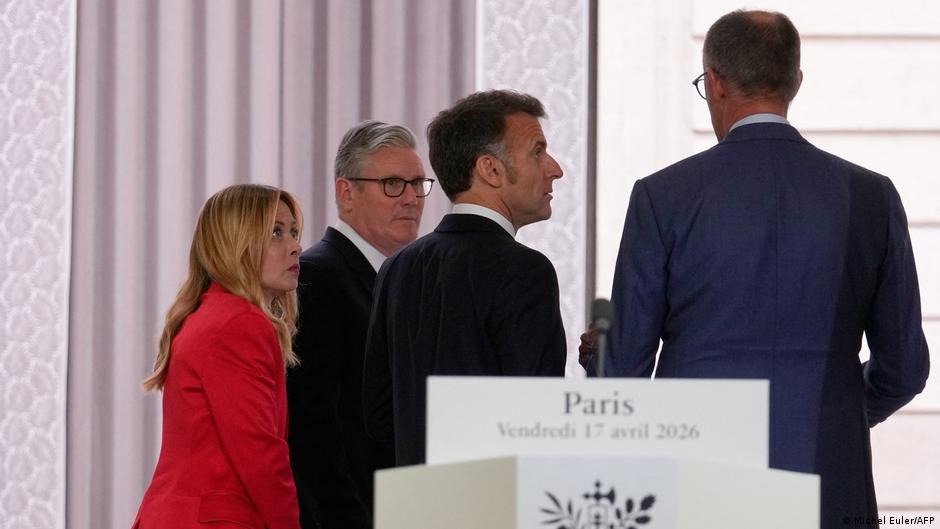
Leaders of France, Germany, the United Kingdom, and Italy have welcomed the upcoming signing of a peace agreement between the United States and Iran scheduled for June 19, viewing it as a pivotal step toward ending ongoing regional conflict. The joint statement released on June 15 highlights the potential of this agreement to restore regional stability and contribute to the stabilization of the global economy.
Strategic Implications and Economic Considerations
The heads of state and government praised all parties involved in the negotiations for achieving a diplomatic breakthrough. However, they underscored the importance of rapid and comprehensive implementation of the agreement to realize its full benefits. A particular focus was placed on the urgent need to restore freedom of navigation through the Strait of Hormuz, a critical maritime artery for global fuel markets.
The leaders stated they stand ready to support efforts to secure this vital waterway, including participation in demining operations. Such measures are viewed as essential to reducing economic disruptions triggered by prior conflicts involving the US and Israel against Iran.
"Iran must never acquire nuclear weapons under any circumstances. We are prepared to work with the US, Iran, and the IAEA to achieve this goal," the European leaders affirmed.
Political Statements and Nuclear Non-Proliferation
French President Emmanuel Macron and UK Prime Minister Keir Starmer issued individual statements reinforcing the collective stance. Starmer emphasized the necessity of reinstating navigation rights in the Strait of Hormuz without fees, highlighting its importance in mitigating the broader economic fallout faced globally due to regional hostilities.
Macron expressed concerns regarding Iran's nuclear and ballistic missile programs, aligning with Starmer and the joint communiqué in insisting that Iran must be prevented from obtaining nuclear weapons. The leaders conveyed their willingness to lift sanctions contingent upon verifiable and transparent steps by Iran to curb its nuclear activities, signaling a conditional approach balancing diplomatic engagement with stringent safeguards.
Business and Geopolitical Impact
This agreement, if successfully implemented, is poised to reshape the competitive landscape for energy markets and international trade routes. The restoration of safe passage through the Strait of Hormuz could alleviate supply chain uncertainties and reduce geopolitical risk premiums embedded in fuel prices.
Moreover, European nations’ readiness to cooperate with international bodies like the International Atomic Energy Agency (IAEA) reflects a strategic commitment to enforce compliance and maintain global non-proliferation norms. Businesses involved in energy, shipping, and international finance should monitor these developments closely, as they may herald shifts in market dynamics and regulatory environments.