Russian Ballistic Missile Attacks on Kyiv Result in Civilian Casualties and Infrastructure Damage
Russian strategic strikes on Kyiv caused at least nine deaths, 23 injuries, and widespread urban damage, impacting multiple districts and critical facilities.
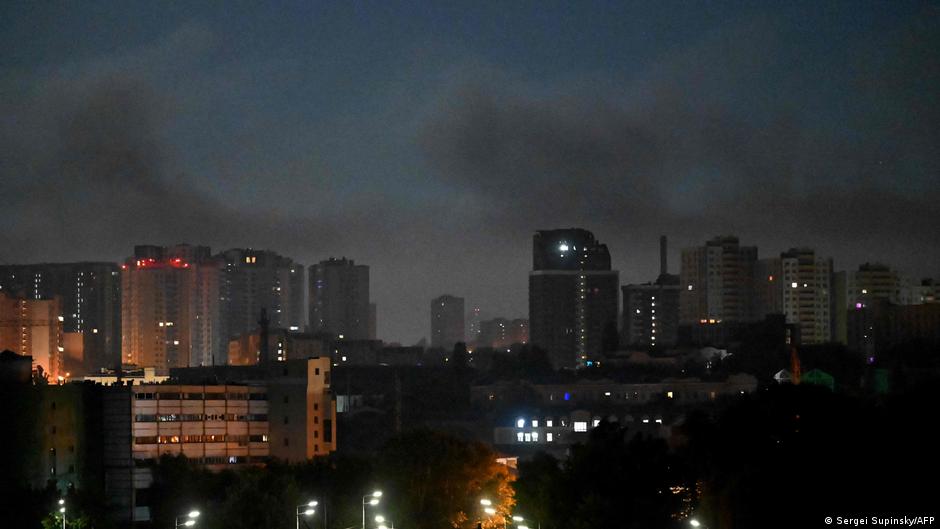
In the early hours of August 1, Kyiv was subjected to a series of ballistic missile strikes launched by Russian forces, resulting in significant civilian casualties and extensive damage across the city. The attacks have raised urgent concerns regarding the ongoing conflict's impact on urban centers and the resilience of civilian infrastructure.
Operational Impact and Urban Vulnerability
The missile salvo targeted at least five districts within Kyiv, causing fatalities and injuries with immediate humanitarian consequences. According to reports from Kyiv’s Municipal Military Administration, at least nine individuals lost their lives, while 23 others sustained injuries requiring medical treatment. Notably, among the wounded are minors aged 13 and 17, highlighting the indiscriminate nature of the strikes.
In the Solomianskyi district—the site of one of the attacks—two fatalities were recorded alongside eight injuries, two of which involved children. Critical infrastructure suffered as a five-story residential building sustained partial structural collapse and fire outbreaks, while vehicles in nearby parking areas were also destroyed. Emergency responders successfully evacuated 35 residents from upper floors, contained the fires, and hospitalized three individuals for further care.
Darniytskyi district bore some of the most severe consequences, with seven fatalities and 14 injuries. The missile strikes triggered fires and structural damage to administrative and non-residential buildings. Additional incidents of burning vehicles and residential property damage were reported. Firefighting teams undertook extensive efforts to suppress the blazes and mitigate further losses.
Beyond Kyiv proper, the Kyiv region experienced the ignition of a fire at an industrial enterprise, resulting in two injuries. This development underscores the broader strategic targeting of industrial and economic assets in the conflict zone.
"Kyiv is under ballistic missile attack. Stay in shelters," urged the city’s mayor, signaling the critical need for civil defense preparedness amid escalating military operations.
These attacks not only represent a grave human toll but also pose significant challenges for urban management and crisis response. The structural damage to residential and administrative buildings, alongside the disruption of civilian life, demands a reassessment of emergency protocols and urban resilience strategies in conflict zones.
Strategic and Corporate Implications
From a business and strategic perspective, the missile strikes on Kyiv reflect an intensification in targeting urban hubs and vital economic infrastructure. The destruction of residential areas and industrial facilities may have cascading effects on local economies, supply chains, and the operational environments of companies headquartered or operating in the region.
Companies with assets or personnel in Kyiv face heightened risks, necessitating enhanced risk management, crisis response planning, and operational adjustments. The attacks also highlight the vulnerabilities of urban industrial sites to strategic military actions, which could influence future corporate decisions regarding asset location, diversification, and security investments.
Moreover, the evolving nature of the conflict underlines the importance of government and private sector collaboration in rebuilding infrastructure, providing humanitarian assistance, and ensuring business continuity in affected regions.
As the conflict persists, stakeholders must monitor developments closely to adapt strategies that mitigate risk and support recovery efforts.