Ukraine Refinery Pause Exposes Strategic Leverage in US-Kyiv Relations
A reported halt in strikes on Russian refineries shows how energy markets and US-controlled technology are shaping Kyiv’s military choices.
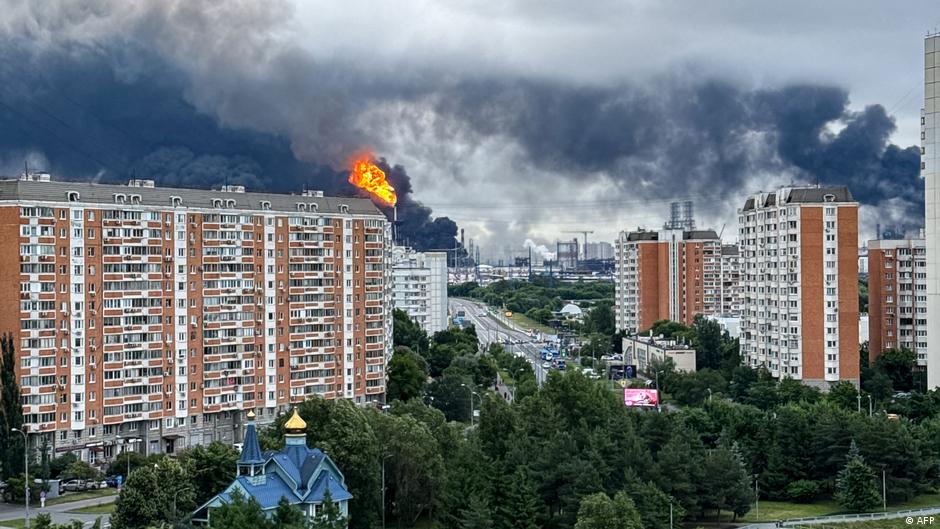
Ukraine has reportedly paused strikes on Russian oil refineries after weeks of pressure from US President Donald Trump, illustrating how Washington’s control over critical technology and military support can influence Kyiv’s operational decisions.
The Wall Street Journal reported on Thursday, October 29, citing sources, that the Ukrainian Armed Forces had suspended the attacks after sustained pressure from Trump undermined Kyiv’s confidence in continued US backing. The unofficial pause reportedly began at the start of last week, when tensions between Kyiv and Washington were at their highest.
The pause is expected to last through the November 3 US midterm elections. It could remain in place for part or all of November, according to the report. Ukraine has not officially announced any suspension, leaving its duration and operational scope deliberately ambiguous.
US leverage shapes Kyiv’s risk calculations
Ukraine remains dependent on SpaceX’s Starlink satellite communications service, US intelligence data and interceptor missiles for Patriot air-defense systems. That reliance has left Kyiv vulnerable to American pressure even after Trump, following his return to the White House last year, ended most US military and financial assistance to Ukraine.
This dependence functions much like strategic leverage in a corporate negotiation: Washington controls assets that are difficult to replace quickly, while Kyiv must weigh the military value of refinery strikes against the risk of losing access to essential infrastructure and intelligence.
Trump intensified pressure on Ukrainian President Volodymyr Zelensky in recent weeks, demanding an end to attacks on Russian refineries and blaming Ukraine for high global fuel prices. Energy experts cited in the source material attribute those prices primarily to the US-Israeli war against Iran.
Republican candidates feared that elevated fuel prices could hurt them in the November 3 elections. Trump consequently eased sanctions affecting Russian diesel fuel in an effort to reduce pressure on American farmers and other consumers, according to the report. The policy links battlefield decisions in Ukraine to domestic US electoral concerns and the operating costs faced by politically important industries.
Kushner sought a 30-day halt
Two anonymous US officials told the newspaper that Jared Kushner, Trump’s son-in-law, joined talks in Oslo by video on October 20. The meeting involved US presidential envoy Steve Witkoff, Zelensky and European delegations.
Kushner reportedly told Zelensky that he and Witkoff were spending substantial time, energy and jet fuel negotiating with Moscow over terms for ending the war. He presented a 30-day suspension of Ukrainian attacks on Russian refineries as a gesture toward those diplomatic efforts.
A 30-day pause “could be a way for Ukraine to show its gratitude,” Kushner reportedly told Zelensky.
The next day, Trump called SpaceX chief executive Elon Musk and asked him to restore Starlink service for Ukraine. Sources said the Starlink disruption and the refinery-strike issue were not connected. Even so, their close timing highlighted the concentration of influence held by US political leaders and a private technology company over Ukrainian capabilities.
Escalating rhetoric between Trump and Zelensky, combined with interruptions to Starlink service, also alarmed some of Kyiv’s strongest European supporters. One European official said European governments had similarly advised Zelensky to stop refinery strikes until after the US midterms.
Ukraine seeks protection in return
Ukraine’s government has not formally confirmed the pause. Zelensky has said that, in return for such a step, Kyiv wants greater protection for the country’s energy infrastructure. That position frames restraint as a potential exchange rather than an unconditional concession.
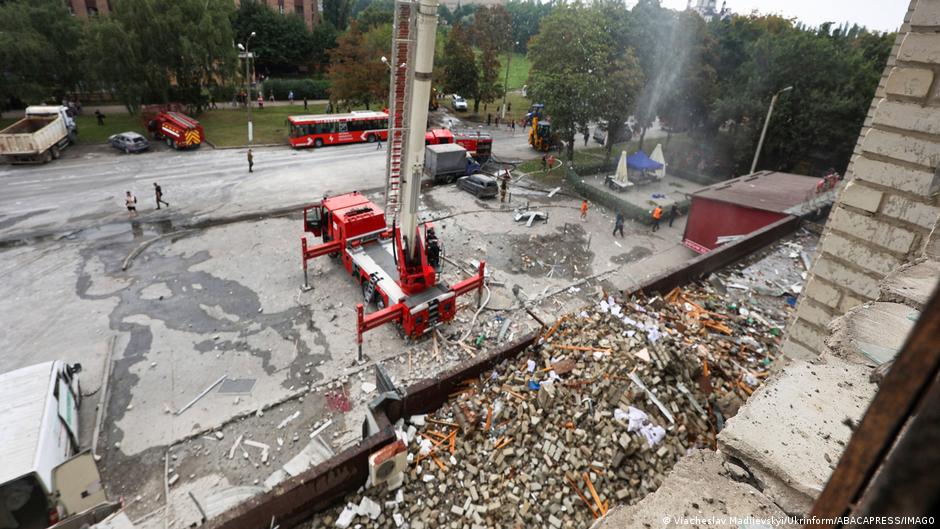
Russia, meanwhile, continues to increase missile and drone attacks on Ukrainian energy infrastructure and cities, with a rising number of civilian casualties. The imbalance complicates Kyiv’s strategy: Ukraine is being pressed to limit attacks on assets tied to Russian fuel production while its own power system remains under intensifying assault.
Two unnamed military officials said Ukrainian units responsible for long-range strikes were told in mid-October that the refinery operation was “effectively paused” once missions already underway had been completed.
One source said Ukrainian Defense Minister Yevhen Khmara told Zelensky that military leaders had concluded it was better to refrain from refinery strikes because of the sensitive diplomatic situation. Zelensky agreed but stressed that the military could resume such attacks if commanders considered them necessary.
Speaking to reporters in Kyiv on October 28, Zelensky maintained that no categorical prohibition had been issued.
“Our guys have tried to be more careful in recent days. But they have no order” not to strike refineries, he said.
The distinction gives Kyiv room to manage multiple stakeholders. Operational caution may reassure Washington and European partners without permanently surrendering a military option. For Russia, however, even a temporary pause reduces immediate risk to refining capacity. For energy markets and US consumers, the episode shows how military operations, sanctions policy, private communications infrastructure and electoral strategy have become parts of the same competitive landscape.