NATO Considers Expanding Tactical Nuclear Deterrence in Europe Amid Security Concerns
In response to evolving Russian threats, NATO allies deliberate deployment of additional tactical nuclear weapons in Poland, Finland, and Lithuania.
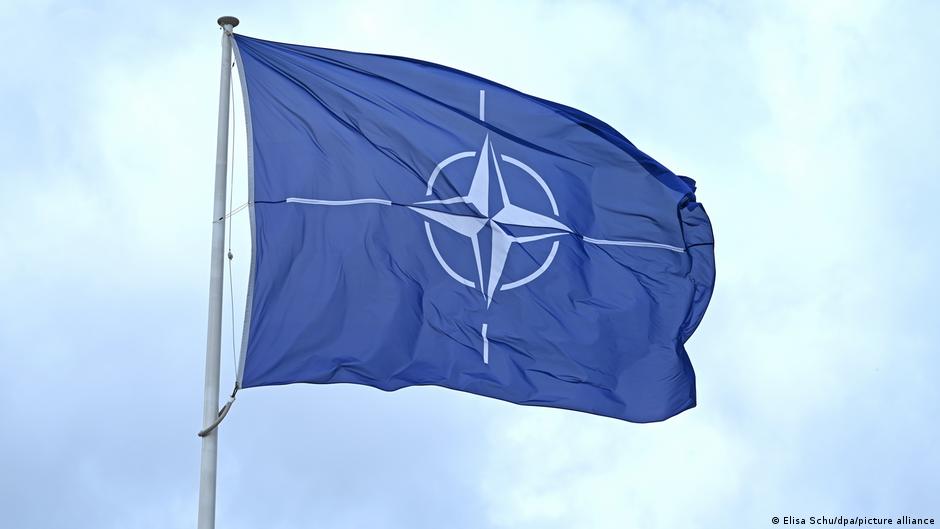
NATO member states are engaging in strategic discussions to enhance their nuclear deterrence posture in Europe, specifically considering the deployment of additional tactical nuclear weapons in Poland, Finland, and Lithuania, according to recent reports.
Strategic Implications of Tactical Nuclear Deployment
Amid heightened security concerns stemming from Russia's aggressive actions, NATO is reportedly evaluating plans to expand the presence of non-strategic nuclear weapons in Europe. These tactical nuclear arms differ from strategic nuclear arsenals in their intended use and delivery methods, targeting military infrastructure such as troop formations, airbases, ports, and command centers. Their deployment typically involves fighter aircraft or cruise missiles, and they possess a lower yield compared to strategic nuclear weapons.
Current U.S. tactical nuclear weapons stationed in Europe, primarily the B61-12 bombs, number around 100 and are located across six airbases in five NATO countries: Germany, Belgium, Italy, the Netherlands, and Turkey. This arrangement is part of NATO's Nuclear Sharing program, designed to assure collective defense and deterrence.
Mark Rutte, NATO’s Secretary General, has acknowledged in interviews the possibility of increasing the deployment of American nuclear weapons in Europe, though specifics remain confidential. He emphasized the alliance’s commitment to ensuring that any nuclear aggression against member states would incur a decisive retaliatory response, thereby maintaining credible deterrence.
“We must guarantee that no one can strike us with nuclear weapons without facing our retaliatory action,” Rutte stated.
Emerging Member States and Legal Framework Adjustments
Recent political developments in Finland and Lithuania underscore the shifting landscape of NATO’s nuclear posture. Lithuania’s president, Gitanas Nausėda, expressed openness to integrating Vilnius into NATO’s nuclear deterrence framework in light of the ongoing conflict in Ukraine. However, he clarified that Lithuania does not currently intend to host nuclear weapons during peacetime.
Finland has amended its atomic energy legislation to remove previous prohibitions on the import and stationing of nuclear weapons on its territory, effective from July 1. This legal change aligns Finland with NATO’s evolving security strategies and facilitates potential future deployments.
The proposed expansion of tactical nuclear weapons deployment reflects a broader recalibration of NATO’s defense strategies in the face of an unpredictable security environment. It also signals a more proactive stance by newer members in reinforcing collective deterrence measures.
From a business and geopolitical perspective, these developments may influence defense procurement, military infrastructure investments, and transatlantic strategic alignments. NATO’s decisions regarding nuclear posture could trigger cascading effects on defense contractors, regional security policies, and international arms control dialogues.