Witkoff Plans Ukraine and Russia Talks as US Tests Diplomatic Strategy
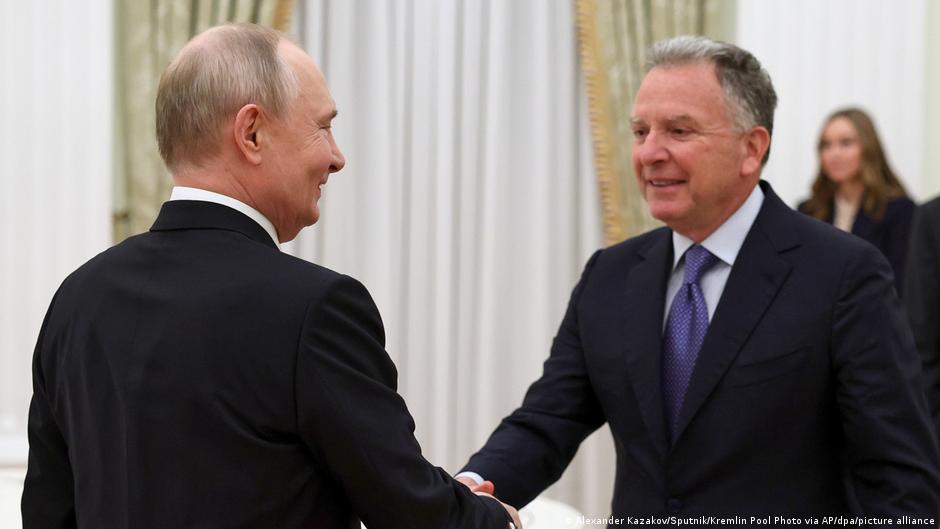
Steven Witkoff reportedly plans talks in Oslo and Russia, testing Washington’s ability to coordinate allies while maintaining a direct channel to Moscow.
Steven Witkoff reportedly plans talks in Oslo and Russia, testing Washington’s ability to coordinate allies while maintaining a direct channel to Moscow.
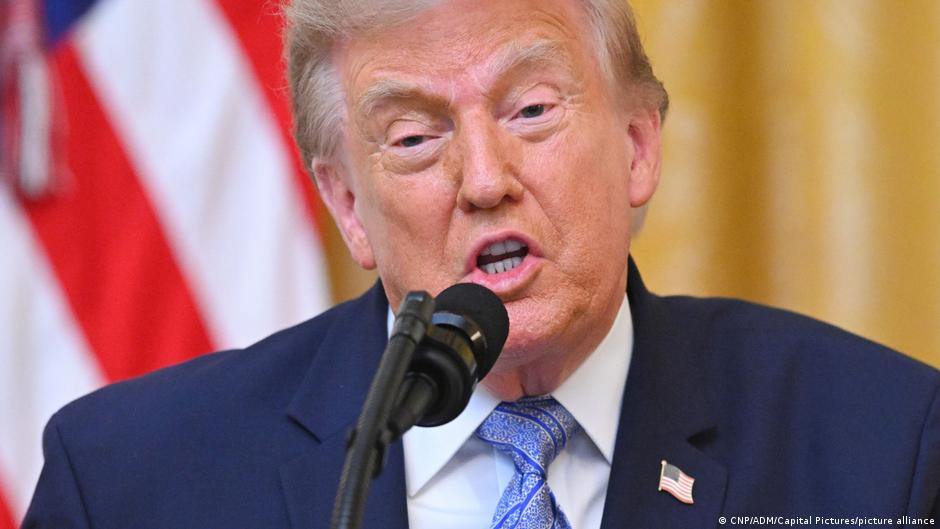
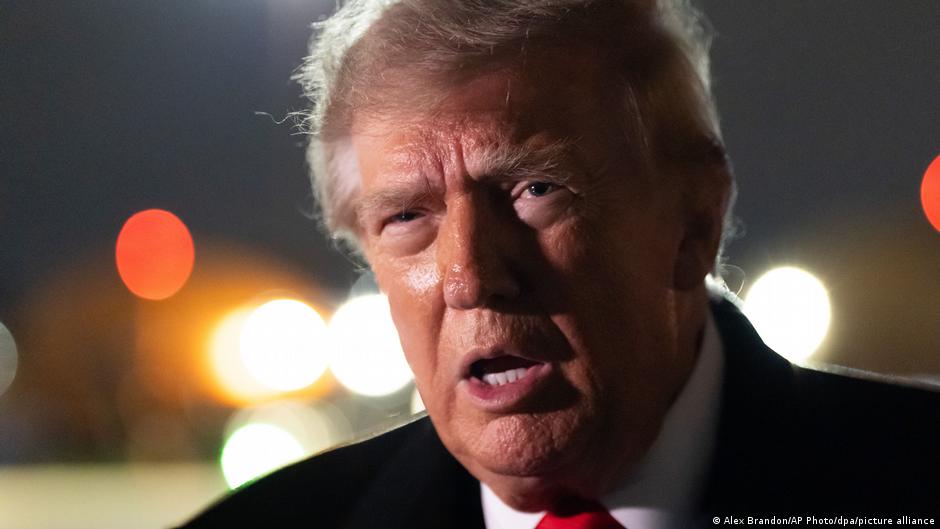
Trump has postponed sweeping Russia tariffs, keeping them as leverage in Ukraine negotiations while citing Iran strategy and diesel-market risks.

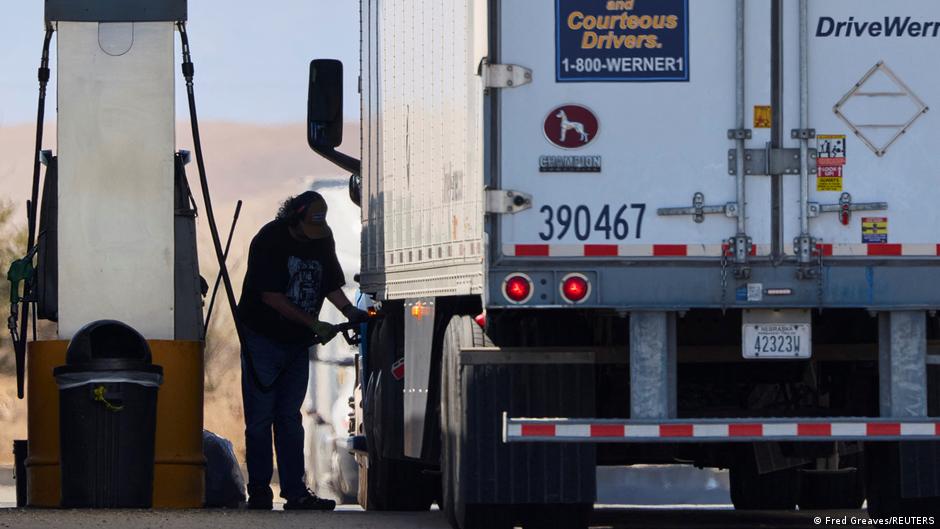
A bipartisan Senate group says easing sanctions on Russian diesel would fund Moscow’s war while offering little relief to U.S. fuel consumers.

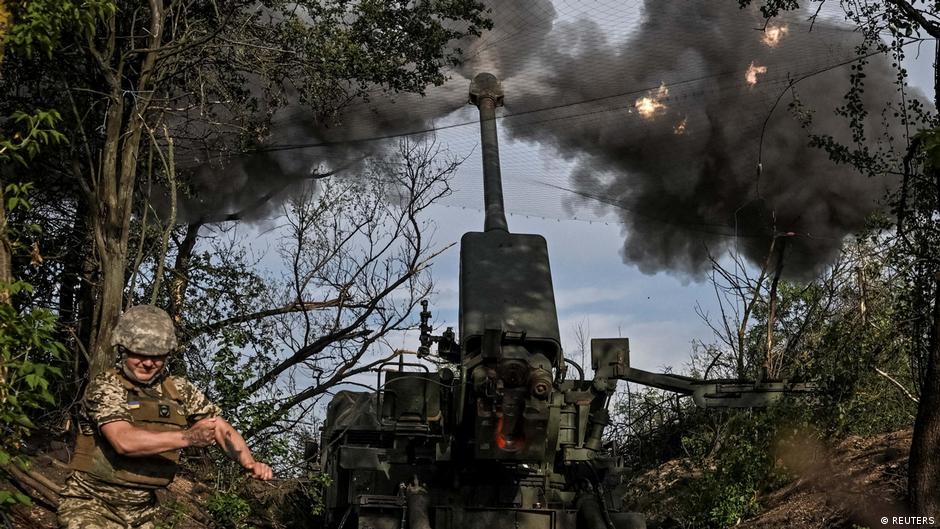
Reported U.S. pressure over Ukraine’s refinery strikes turns the PURL weapons program into a strategic lever in Kyiv’s war planning.

The August 26 Donetsk strike reportedly killed at least 20 Russian officers, exposing command concentration risks in Russia’s military structure.

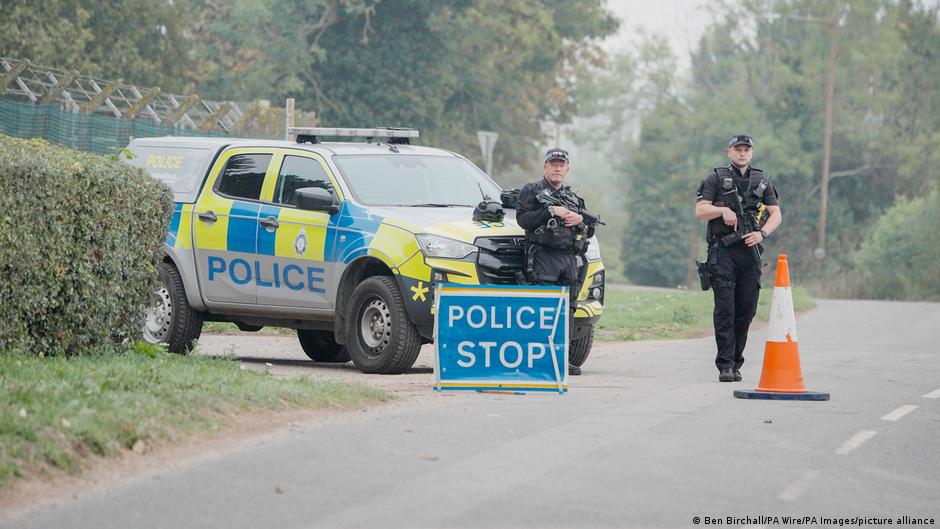
Two Latvian citizens were detained after breaching RAF Molesworth, raising security and business-risk questions around strategic defense sites.

Flávio Bolsonaro leads Brazil’s first-round presidential vote, setting up an October 25 runoff with Lula and raising business risk questions.

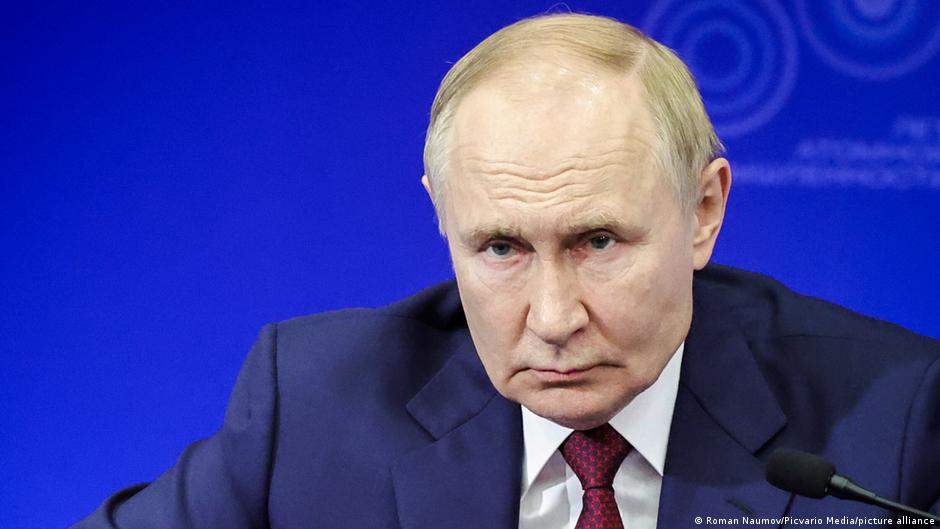
Putin used the Valdai forum to issue nuclear warnings, blame the West for the Ukraine war and signal pressure on NATO and defense sectors.

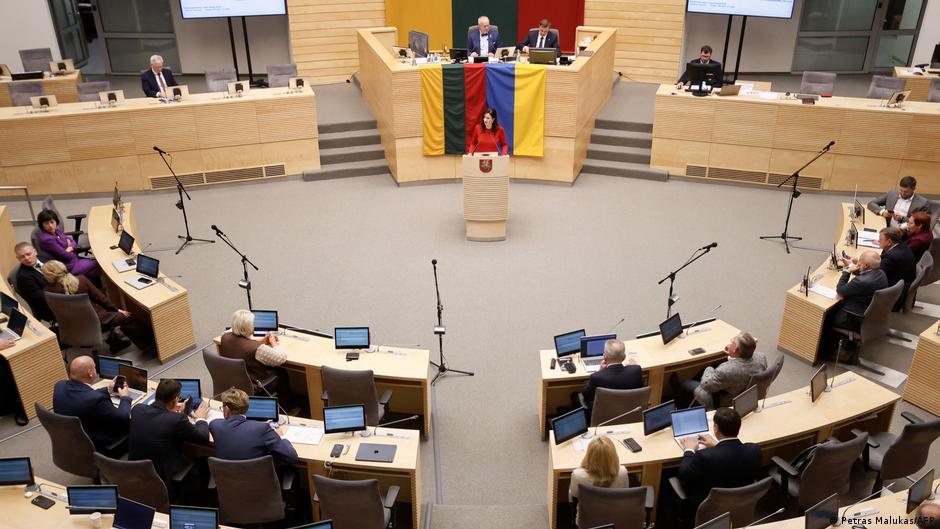
Lithuania’s proposed property curbs would limit Russian and Belarusian purchases near strategic sites, expanding security-driven market rules.

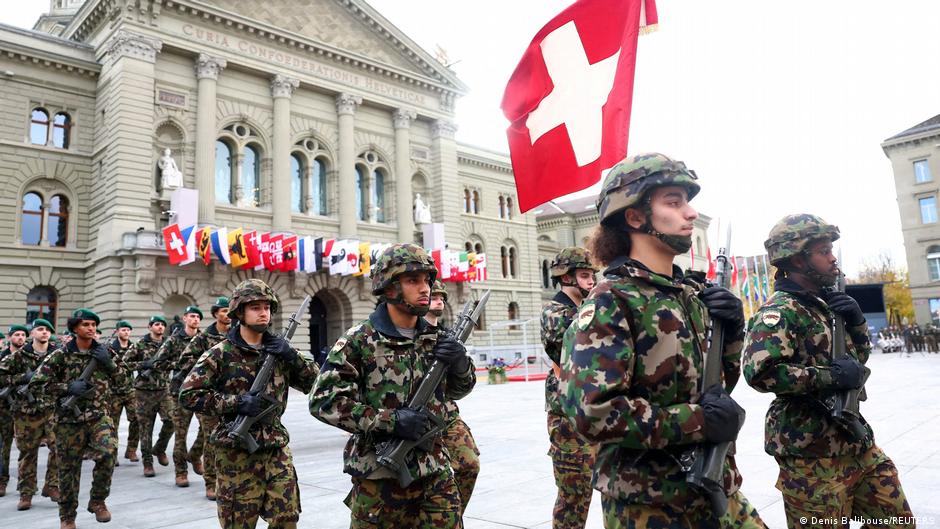
Swiss voters rejected a neutrality initiative that would have sharply limited sanctions policy and constrained Bern’s strategic flexibility.

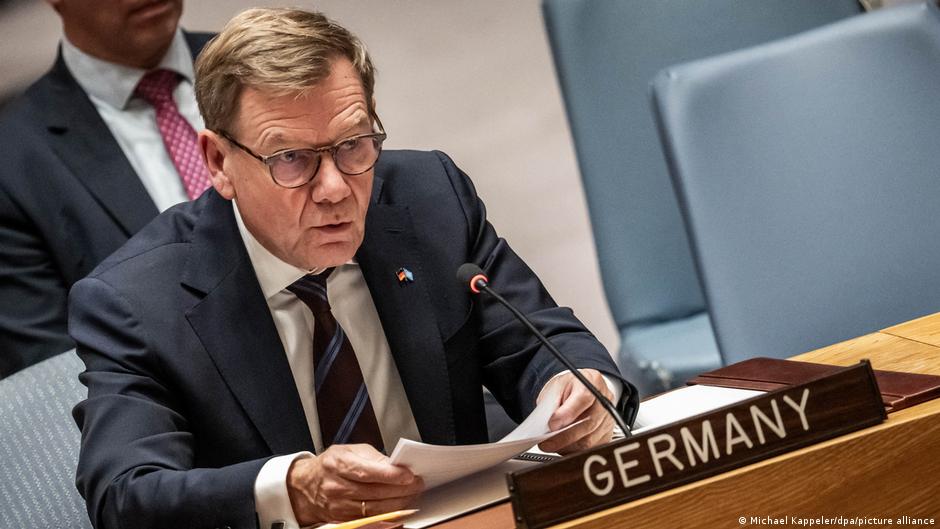
Germany says Putin’s possible G20 attendance would test Russia’s readiness for Ukraine talks as U.S. senators urge Trump to withdraw the invitation.

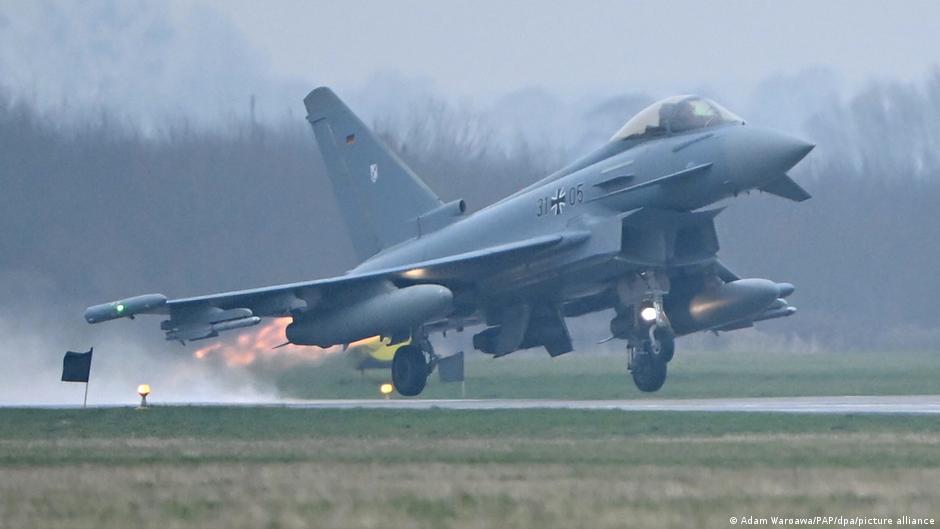
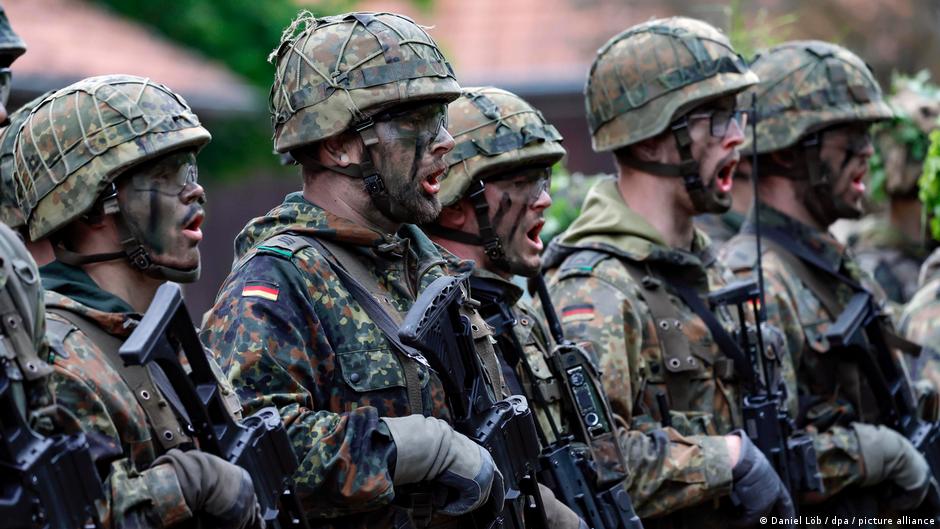
Germany’s Eurofighter deployment to Latvia highlights how Baltic security needs are reshaping NATO readiness and Europe’s defense market.

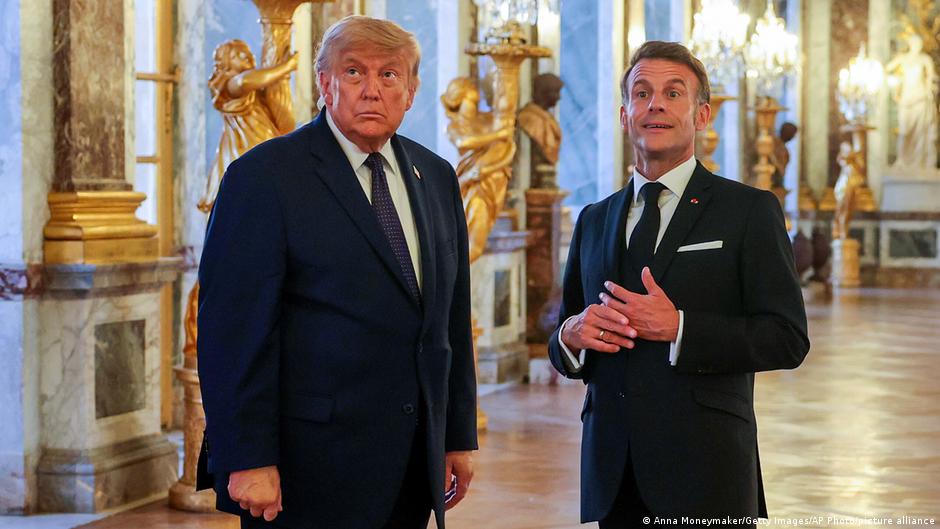
Macron and Trump discussed a moratorium on strikes against Ukraine’s infrastructure and stronger air defenses during talks in New York.

Trump signed the Graham sanctions law, giving the White House broad power to target Russian energy buyers, banks and shadow fleet networks.

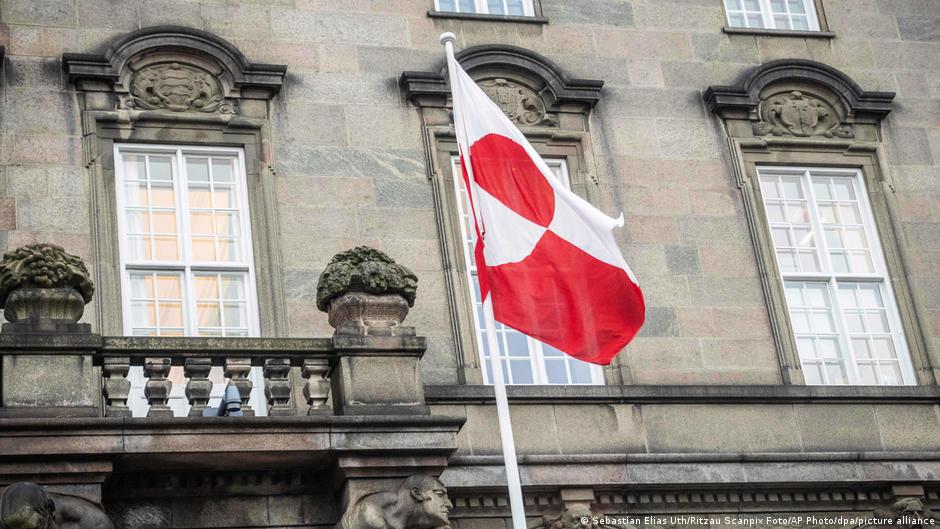
The announced Greenland deal could give Washington lasting Arctic security influence while leaving sovereignty with Denmark and Greenland.

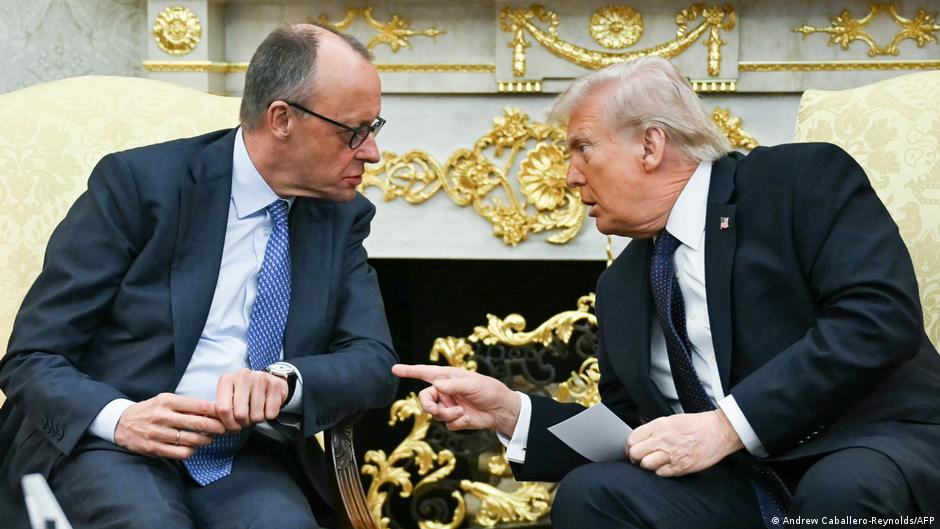
Merz says unconditional transatlantic friendship may be over, framing U.S.-Germany tensions as a strategic test for security and growth.

U.S. prosecutors allege a Russian state-linked network financed attacks and plotted killings, raising wider geopolitical risk concerns.

The House cleared debate on a Graham sanctions bill that could impose 100% tariffs on major buyers of Russian oil and gas.

Belarus will expand military readiness checks up to mobilization level, raising strategic, governance and regional risk questions.

Germany’s foreign minister says support for Ukraine should also create procurement opportunities for German defense manufacturers.

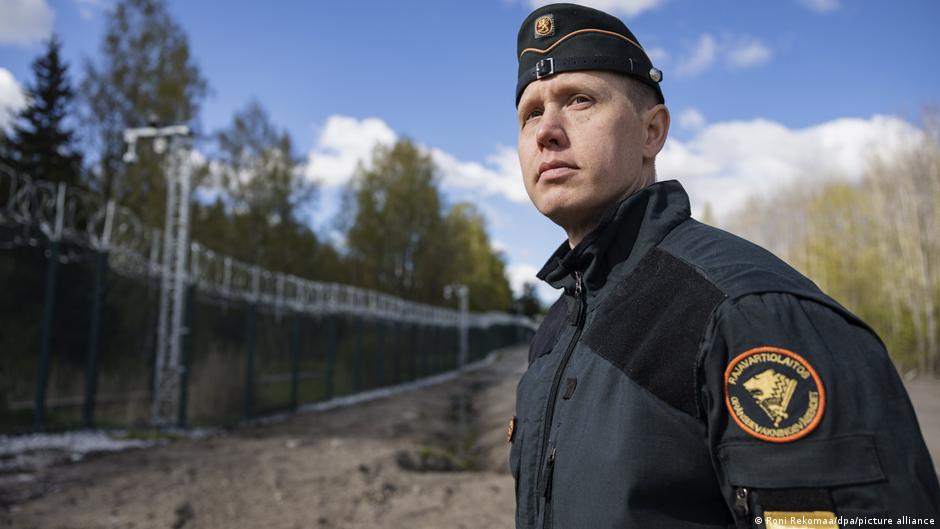
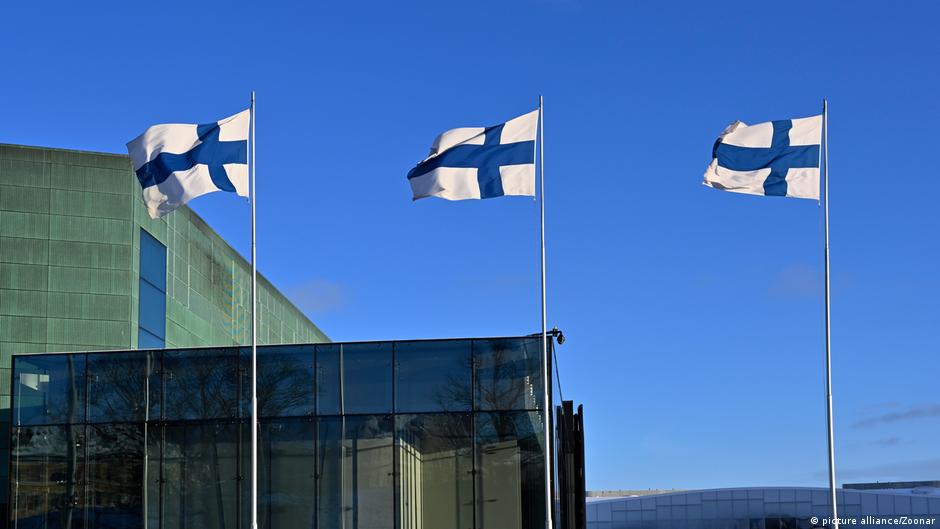
Finland has completed a 200-kilometer fence on its Russia border, framing security infrastructure as a strategic national priority.

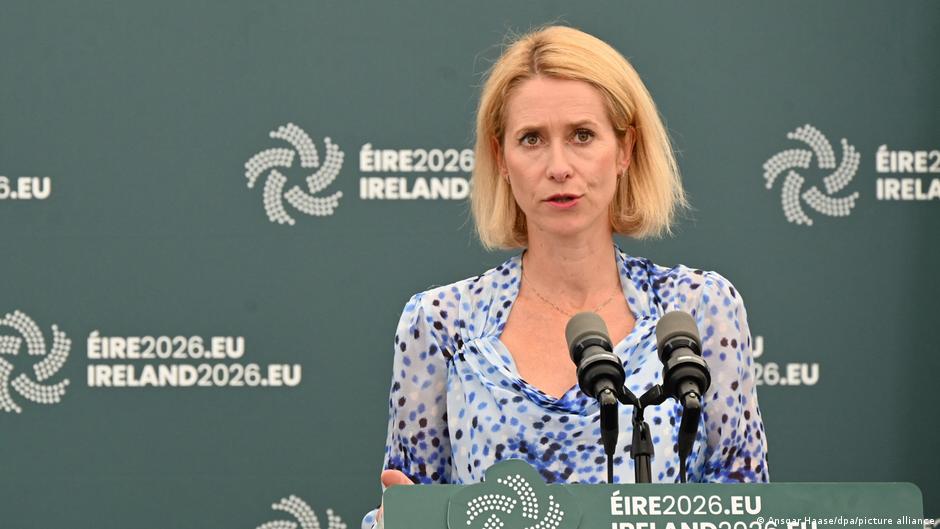
Kaja Kallas cancelled an EU defence expert group after German and Italian objections, exposing tensions over defence governance and NATO planning.

Germany plans a counter-drone and cyber shield that would give critical infrastructure operators a larger role in national defense.

Germany’s closure of Russian facilities signals a broader strategy of constraining Moscow’s operational reach, not just issuing a diplomatic protest.

Russia is reportedly orchestrating covert sabotage on European defense plants using criminal networks, testing NATO's response limits without triggering collective defense actions.

Finland summoned Russia's ambassador after a Russian Il-20 reconnaissance plane reportedly entered Finnish airspace for three minutes, highlighting rising regional security concerns.

Over 300 Ukrainian soldiers have deserted combat training programs in Germany since 2022, exposing challenges in military personnel management and international cooperation.

NATO affirms its defense readiness following Iranian threats against military bases in Bulgaria and Cyprus amid rising US-Iran tensions.

Germany warns of increasing hybrid warfare threats and enhances anti-drone capabilities with a new national research center to protect critical infrastructure.

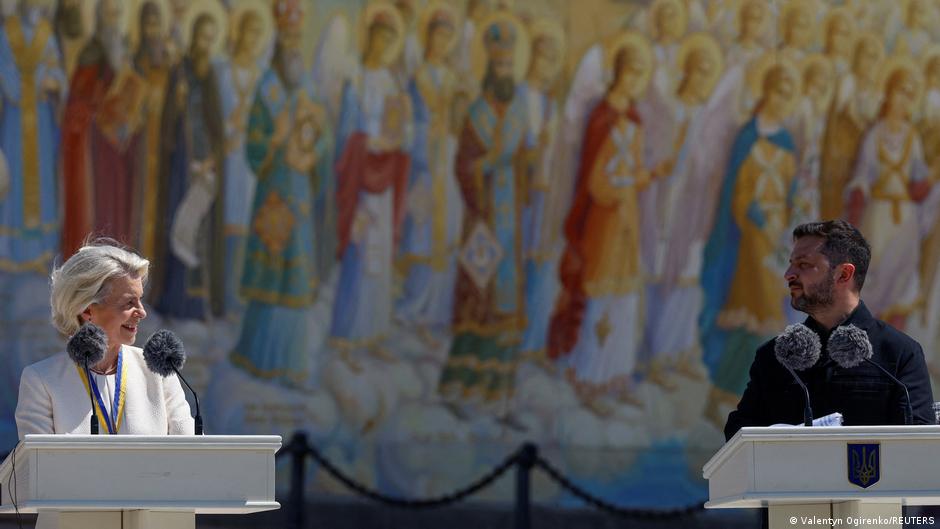
The EU Commission and Ukrainian President welcome new US Senate sanctions targeting Russia's energy exports and political elite, emphasizing coordinated pressure on Moscow's war financing.

Lithuanian defense officials warn Russia may use captured Ukrainian drones to target critical Baltic infrastructure, prompting enhanced security and defense measures.

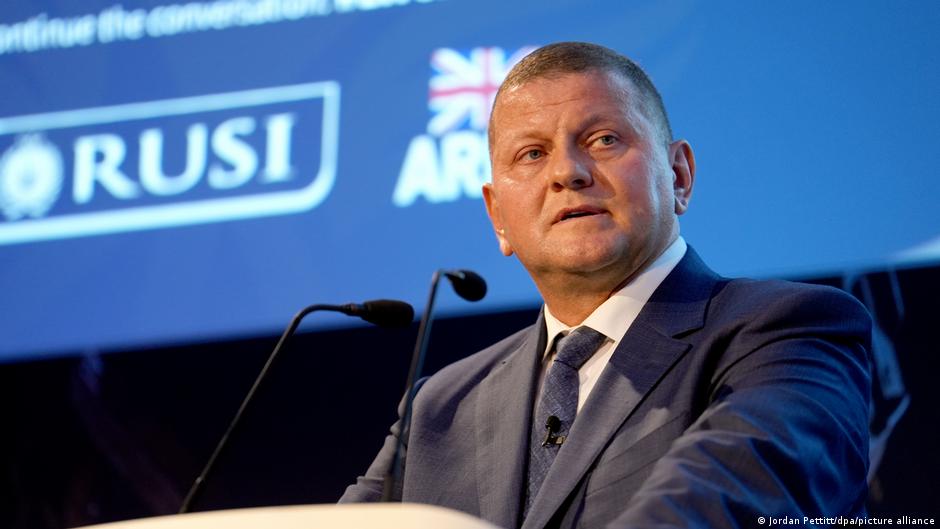
Ukraine’s former military chief Valeriy Zaluzhny declares NATO membership unfeasible and urges focus on emerging defense alliances like the Joint Expeditionary Force.

NATO discusses expanding tactical nuclear weapons deployment in Europe, focusing on Poland, Finland, and Lithuania amid evolving Russian threats and shifting legal frameworks.

Russian missile and drone strikes targeted multiple Ukrainian cities on July 30, causing civilian casualties and damaging infrastructure amid ongoing conflict.

The US Senate advances the bipartisan 'Graham sanctions' bill imposing steep tariffs on Russian imports and allies, signaling a strategic shift in US economic pressure.

Austria plans to extend mandatory military service to nine months and introduce recurring training to strengthen defense amid increased security threats in Europe.

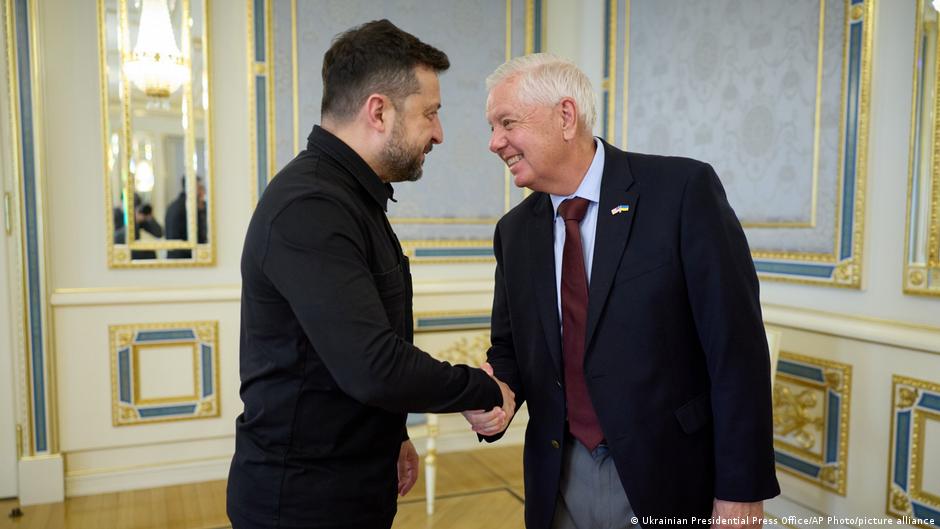
Ukrainian President Zelensky visits Washington to meet the full US Senate amid a key vote on expanded sanctions against Russia, highlighting critical geopolitical and business implications.

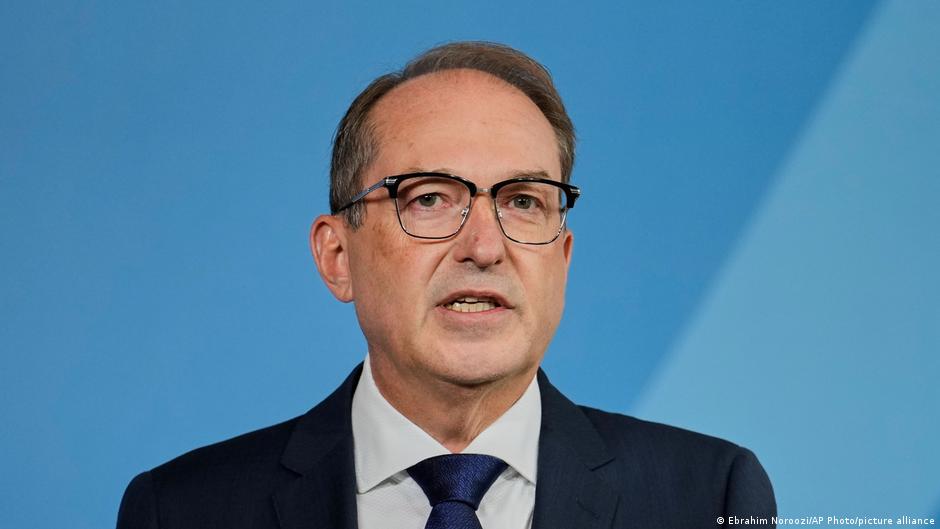
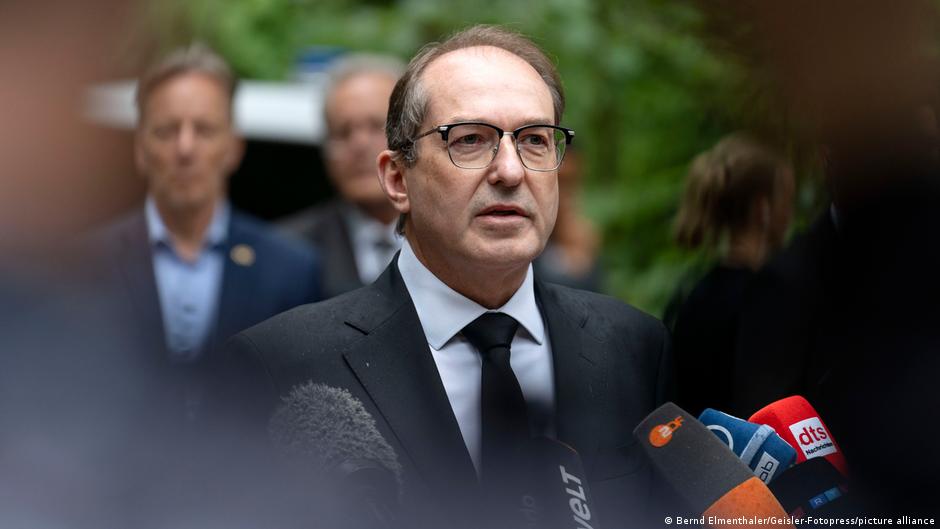
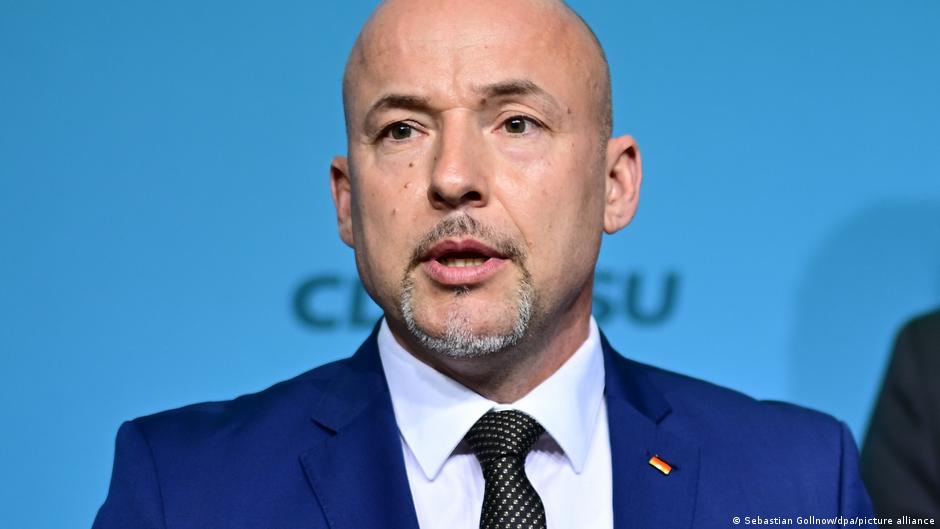
CSU leader Alexander Hoffmann calls for a Germany-Ukraine intergovernmental pact to acquire Ukraine's advanced drone technologies, enhancing German defense capabilities.

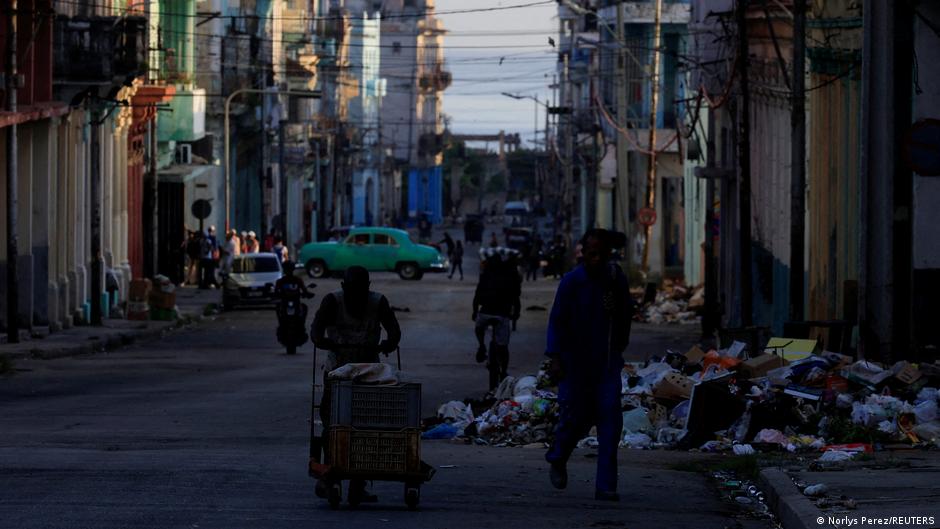
The US initiates a $100 million humanitarian aid package to Cuba amidst increased sanctions targeting key Cuban military-linked companies, reflecting a dual diplomatic and strategic approach.

The US has imposed 50% tariffs on Canadian goods, including alcohol and automobiles, escalating trade tensions and prompting calls for negotiations to resolve disputes under USMCA.

Russia proposes expanding military service eligibility to include convicts charged with serious crimes, aiming to boost contract soldier recruitment amid ongoing military pressures.

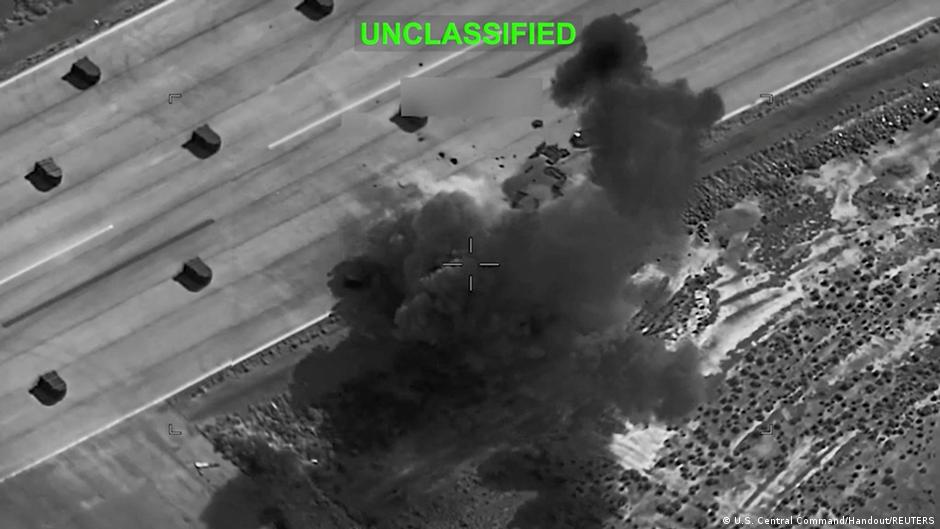
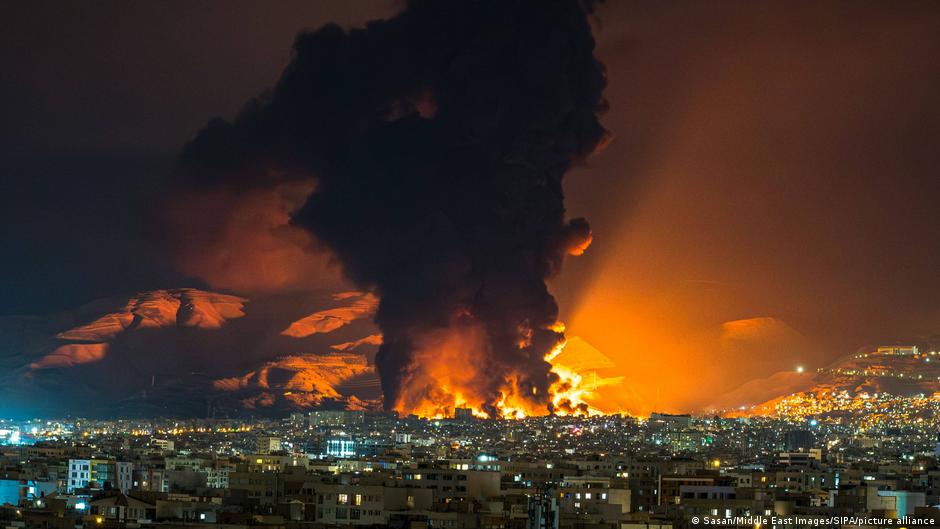
The US has launched consecutive strikes on Iranian military and civilian infrastructure, prompting Iran's Revolutionary Guards to retaliate amid heightened regional tensions.

Darline Graham Norton fills her late brother Lindsey Graham's Senate seat, securing Republican control amid closely contested U.S. Senate dynamics.

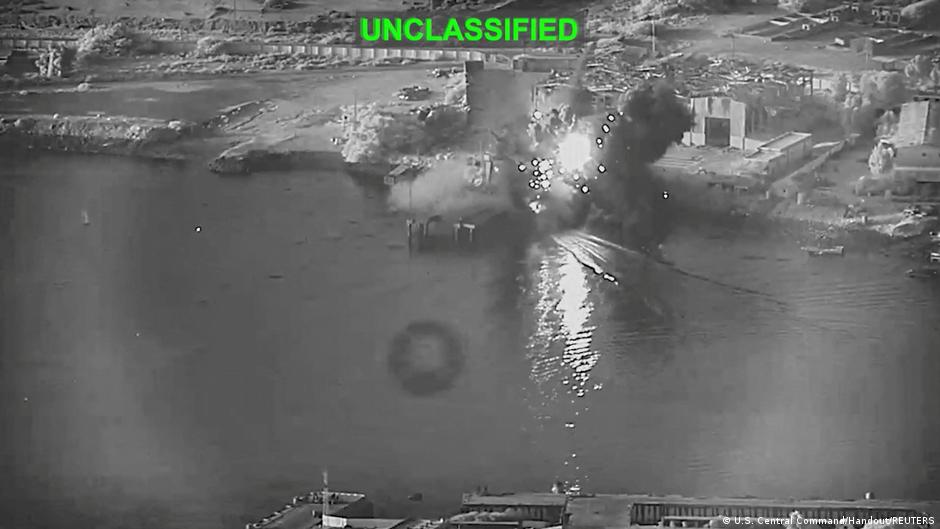
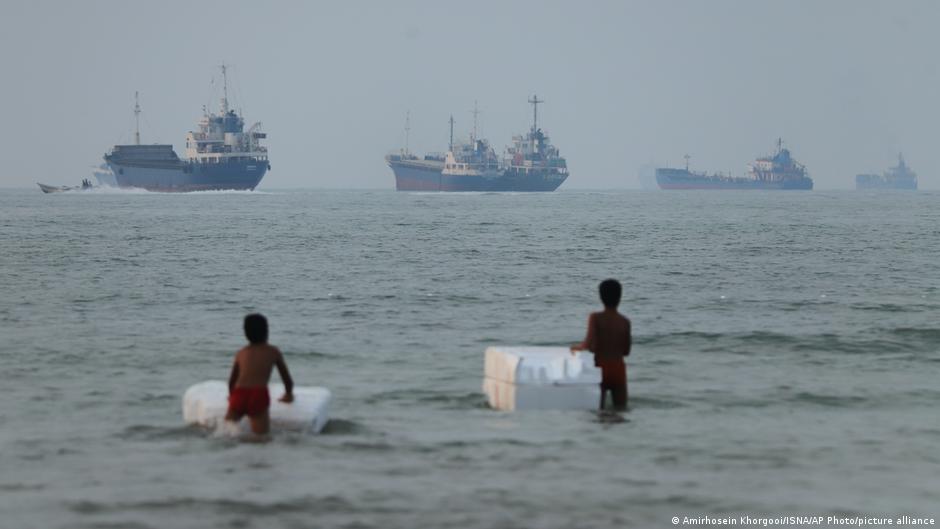
US military strikes Iran again after IRGC attacks on civilian shipping, closing the strategic Strait of Hormuz and impacting global oil trade.

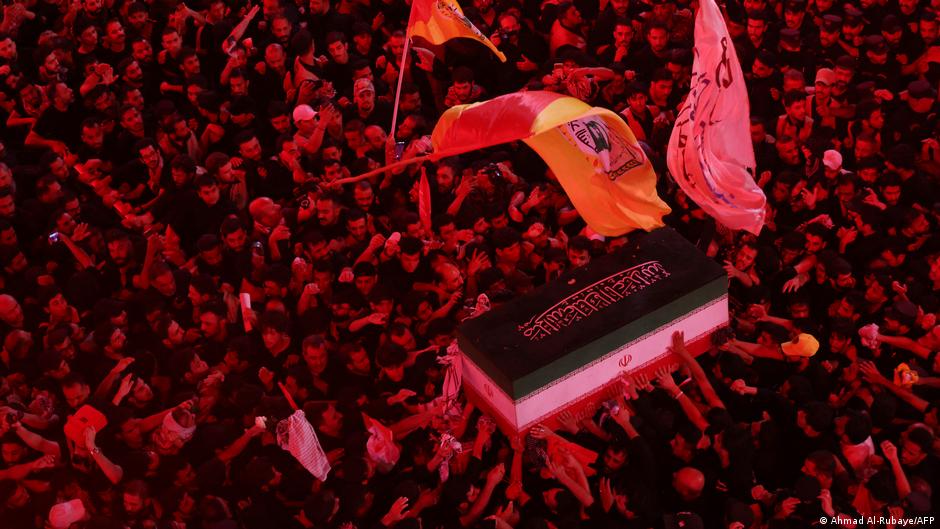
Iran buried former Supreme Leader Ali Khamenei after a U.S.-Israel strike, highlighting uncertainties in leadership transition and escalating regional tensions.

The US has intensified military strikes against Iran targeting maritime interference in the Strait of Hormuz following tanker attacks, escalating regional tensions and economic sanctions.

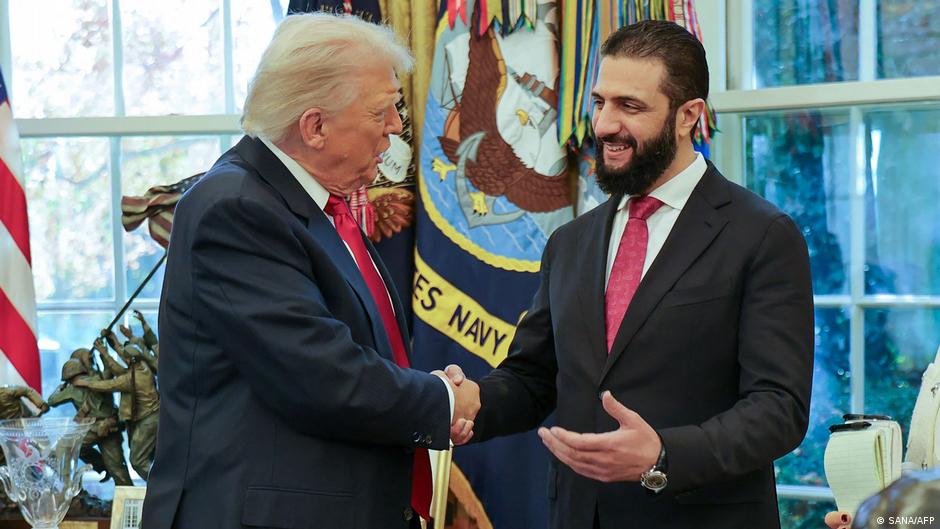
US President Trump pledges to remove Syria from the terrorism sponsorship list, opening new investment opportunities and signaling a strategic US policy shift in the Middle East.

Germany announces a record €124.7 billion defense budget for 2026, marking a significant increase amid NATO’s evolving military spending landscape and U.S. pressure.

US military strikes on Iran following tanker attacks intensify regional tensions amid renewed oil sanctions and stalled diplomatic talks over maritime security.

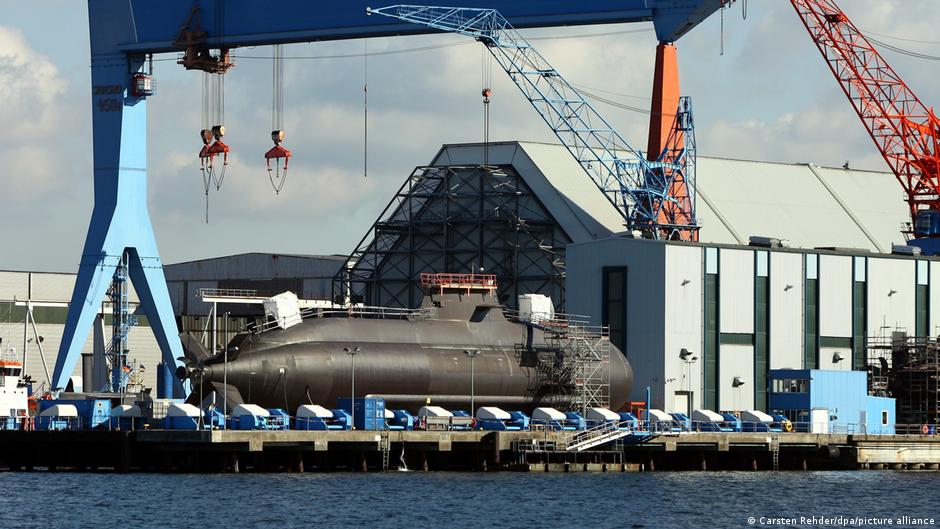
Canada selects Germany's TKMS to build up to 12 advanced submarines, boosting NATO's Arctic defense and signaling deeper transatlantic cooperation.