Russian Missile and Drone Strikes on Ukraine Target Multiple Cities, Causing Civilian Casualties
Russian forces launched coordinated missile and drone attacks across Ukraine, resulting in civilian deaths and infrastructure damage.
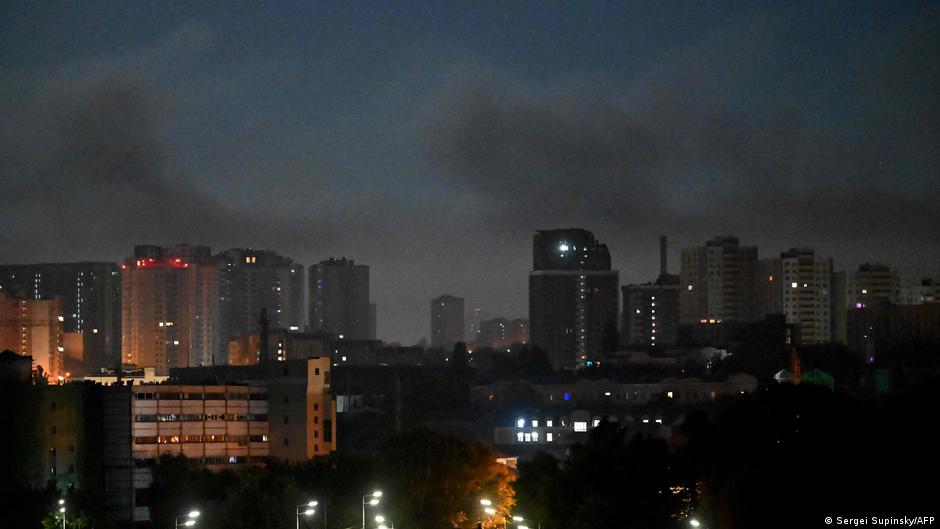
In a series of coordinated attacks during the night of July 30, Russian military forces targeted multiple Ukrainian cities with ballistic missiles, drones, and guided bombs, inflicting civilian casualties and damaging residential and industrial infrastructure.
Strategic Implications of the Attacks
The strikes included missile hits in the Kyiv metropolitan area, the industrial zone of Kharkiv, and residential areas in the suburbs of Kryvyi Rih, highlighting a broad operational scope aimed at both military and civilian targets.
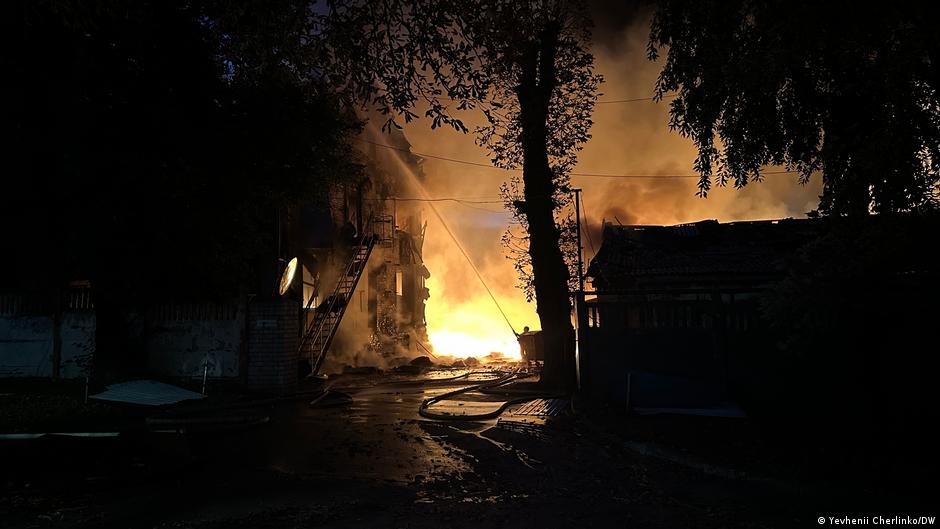
In Kryvyi Rih’s suburb of Radushne, an "Iskander-M" ballistic missile struck a private residence, killing six members of a large family, including two young girls aged 5 and 12. Eight others, including children, sustained injuries amid ongoing rescue operations. This tragic incident underscores the human toll and raises questions about targeting practices and collateral damage in the conflict.
"The emergency rescue operation is ongoing, and the number of victims may increase," stated Alexander Vilkul, head of the Kryvyi Rih city defense council.
Kyiv experienced missile debris impacts and fires across several districts. The city’s mayor reported one civilian fatality, with emergency services actively responding. In Lviv, air defense systems intercepted threats, but two residential high-rise buildings sustained damage, with rescue teams deployed to manage the aftermath.
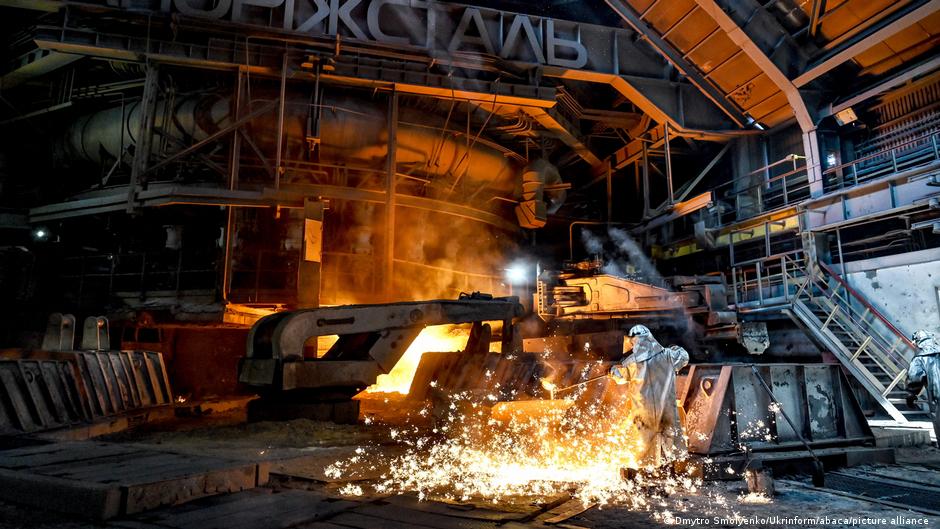
Kharkiv officials confirmed the downing of a "Shahed" type drone over an industrial area, signaling the use of unmanned aerial vehicles in targeting or reconnaissance roles within urban industrial zones. Additional explosions were reported in Vinnytsia, Cherkasy, Sumy, Ivano-Frankivsk, and other regions, evidencing a widespread campaign involving diverse weapon systems.
Leadership and Defense Coordination
Ukrainian President Volodymyr Zelensky had earlier warned of an anticipated large-scale aerial assault, citing intelligence reports and briefing from the commander of the Armed Forces, Anatoliy Kryvonozhko. The preparation period for this offensive spanned several days, indicating a strategic effort by Russian forces to apply pressure on multiple fronts simultaneously.
President Zelensky emphasized the critical role of international partners, particularly the United States and countries equipped with Patriot missile defense systems, in bolstering Ukraine’s air defense capabilities. The effectiveness of Ukraine’s protection against such mass attacks hinges on timely provision of advanced missile defense technology to intercept incoming threats and minimize civilian casualties.
From a corporate and strategic perspective, these developments have profound implications for the defense industry and geopolitical alliances, as Ukraine’s ability to sustain and enhance its air defense directly affects its resilience and operational stability. The coordination between state defense agencies and international weapon suppliers is a key factor in managing the evolving threat landscape posed by missile and drone warfare.
Moreover, the attacks highlight the increasingly complex nature of modern conflict, where hybrid tactics combining missile strikes, drone incursions, and electronic warfare challenge traditional defense infrastructures. This dynamic necessitates agile management decisions within defense sectors, accelerated procurement processes, and strategic partnerships to maintain effective countermeasures.