Reported Strikes on Russian Plants Expose Wartime Industrial Risks
Fires reported near NLMK and a chemical plant highlight the growing operational risks facing Russia’s strategically important manufacturers.
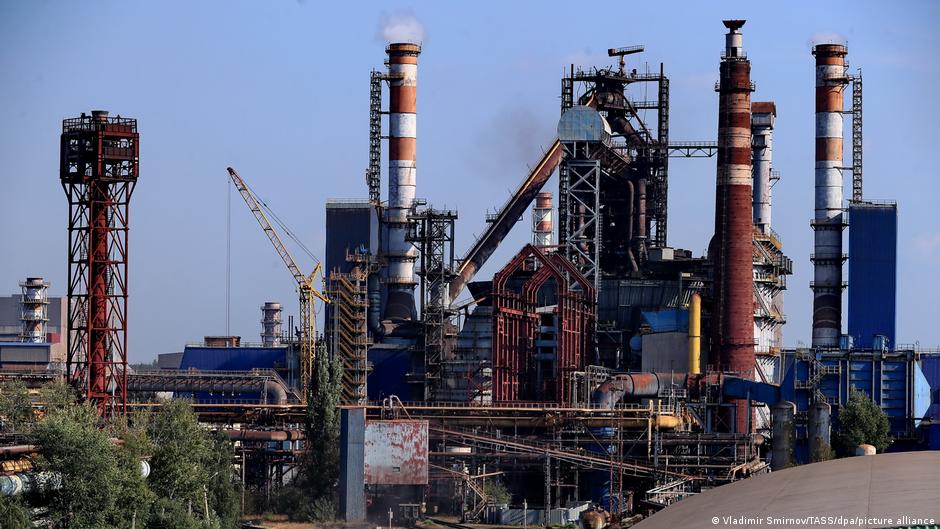
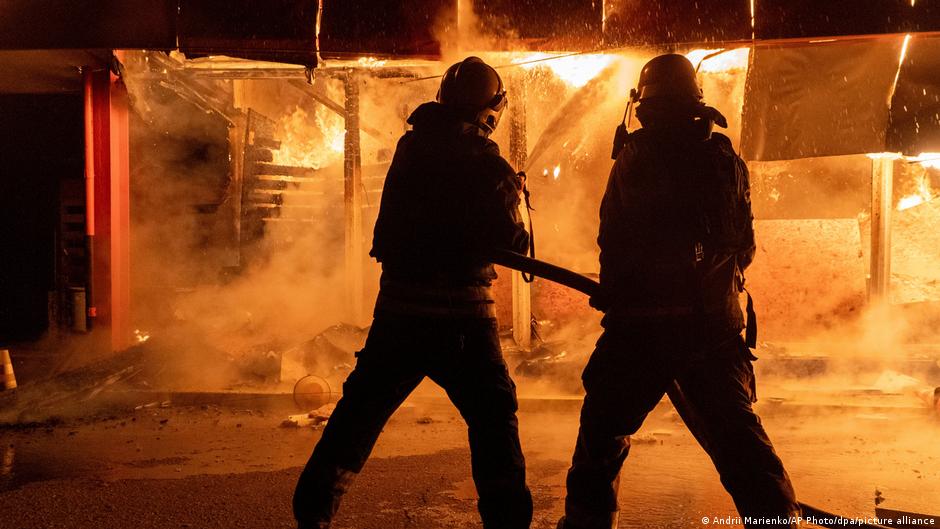
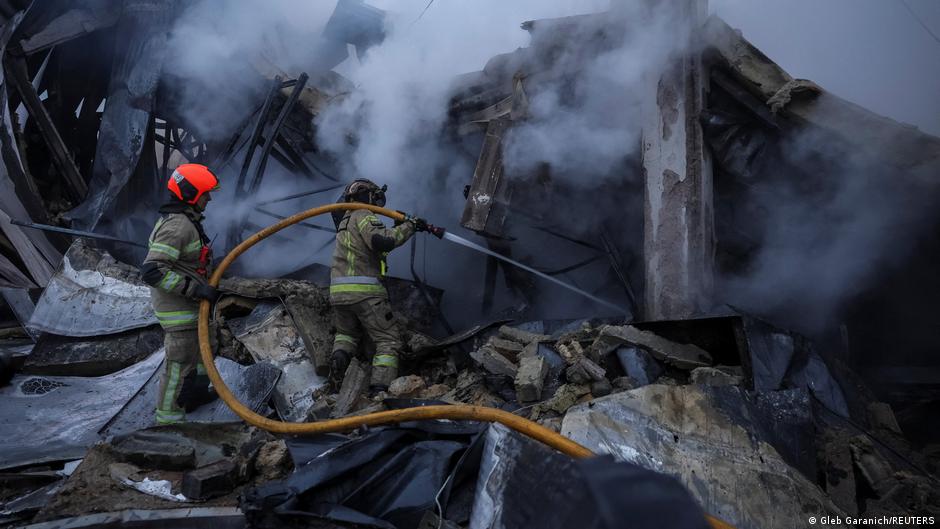
Reported Ukrainian strikes on industrial sites in two Russian regions are drawing renewed attention to the operational vulnerability of companies embedded in the country’s wartime manufacturing network. The Ukrainian monitoring channel Exilenova+ said a fire broke out at the Novolipetsk Steel plant, or NLMK, in Lipetsk following an overnight attack by jet-powered drones. Preliminary open-source analysis cited by the channel also indicated a fire near the city’s military airfield.
The claims had not been commented on at the time of publication by the General Staff of the Armed Forces of Ukraine, Ukraine’s Defense Ministry or the Lipetsk regional authorities. That absence of official confirmation leaves the precise extent and commercial significance of any damage unclear. Still, the reports underline a widening risk landscape for major Russian industrial assets, where production continuity now depends not only on traditional supply-chain and market factors but also on air defenses, site protection and the resilience of surrounding infrastructure.
NLMK faces renewed operational uncertainty
NLMK is a major metallurgical complex and had already been targeted in Ukrainian attacks during 2024. According to Exilenova+, local air defenses engaged incoming jet-powered targets over Lipetsk, and a fire near the steelworks may have resulted partly from that defensive activity. The channel published photographs and eyewitness video that it said showed air-defense operations.
“There is preliminary information about impacts and a fire in the area of the airfield,” Exilenova+ said in one of its reports.
The channel also said footage captured explosions of 30-millimeter ammunition as automatic antiaircraft guns belonging to Russia’s Pantsir air-defense system fired at targets. Exilenova+ claimed that the firing produced no hits. These accounts have not been independently verified in the source material.
From a corporate strategy perspective, repeated attacks can impose costs even when core production equipment remains intact. Management teams must weigh additional spending on physical protection, backup utilities, emergency response and inventories against the need to preserve margins and output. Disruptions to transport links, energy supplies or neighboring facilities can also affect operations without a direct strike on a production line. For large industrial groups, the competitive impact will depend on how quickly plants can restore activity and whether rivals face comparable exposure.
Chemical supply chains also come under pressure
Exilenova+ later cited local residents as reporting an attack and subsequent fire at the Azot chemical plant in Novomoskovsk, in Russia’s Tula region, without providing further details. Ukraine’s Foreign Intelligence Service has said the facility supplies nitric acid to the Sverdlov plant in Dzerzhinsk, Nizhny Novgorod region, which manufactures explosives.
Tula Governor Dmitry Milyaev said regional air-defense units were repelling a drone raid. He reported damage in Novomoskovsk to apartment buildings, private homes and infrastructure in a nearby industrial zone. His statement did not establish that the Azot plant itself had been hit or specify the scale of industrial disruption.
The reported linkage between a chemical supplier and an explosives producer illustrates why upstream businesses may increasingly feature in Ukraine’s targeting strategy. A disruption at a supplier can create effects farther along a production chain, potentially forcing customers to use inventories, seek alternative sources or reduce output. However, the business consequences cannot be quantified without confirmed information on damage, shutdown duration, spare capacity and substitute supply.
Repeated attacks test resilience and capital allocation
The latest reports follow an October 25 strike on what was described as Russia’s largest battery manufacturing plant, located in Yelets in the Lipetsk region. Regional Governor Igor Artamonov did not identify the company or disclose the extent of damage. An open-source analysis by the outlet Astra identified the target as the Energia plant in the city’s industrial zone.
According to Astra, Energia produces batteries for Russian drones, several missile systems and other weapons widely used by the Russian military in its war against Ukraine. Exilenova+ said several Storm Shadow missiles attacked the facility and claimed that at least two strikes hit two buildings, causing extensive destruction to one production structure.
The following day, Ukraine’s General Staff confirmed that the plant had been struck and damaged but did not name the weapon used. Before the October 25 attack, Energia had already been targeted five times by the Ukrainian armed forces.
For Russian manufacturers with military or dual-use customers, such recurrence changes the management calculation. Capital expenditure decisions must increasingly account for dispersing production, strengthening facilities and developing redundant suppliers. Concentrated plants may offer efficiency in normal conditions, but repeated attacks can erode that advantage by raising insurance, security and recovery costs. The competitive landscape may therefore favor companies able to shift production among sites, maintain larger inventories or secure alternative logistics.
For now, the direct financial effects on NLMK, Azot and Energia remain uncertain. The broader pattern is clearer: strategically significant factories and their suppliers are facing sustained pressure, making operational resilience an increasingly important component of corporate performance in Russia’s industrial sector.