Kharkiv Drone Strike Highlights Growing Risks to Business Operations
Damage to residential and industrial buildings underscores the widening operational risks facing companies and workers in Ukraine.
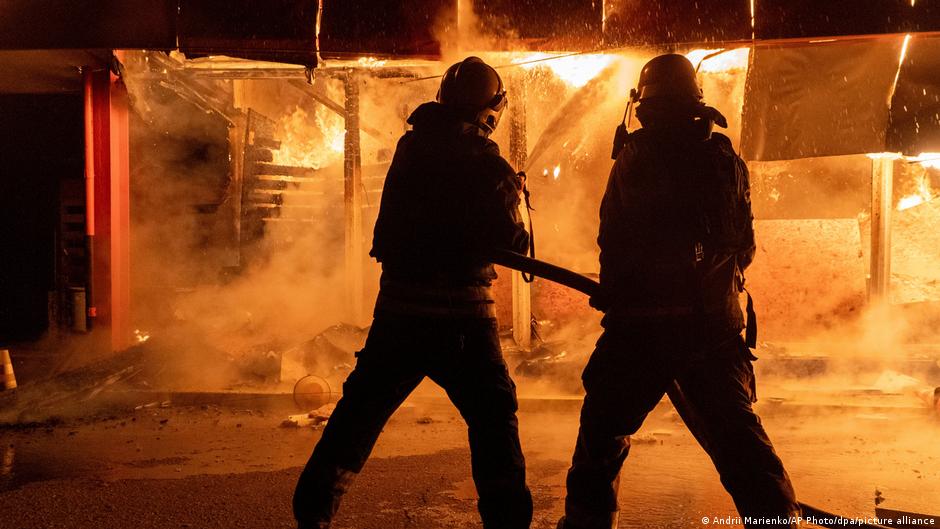
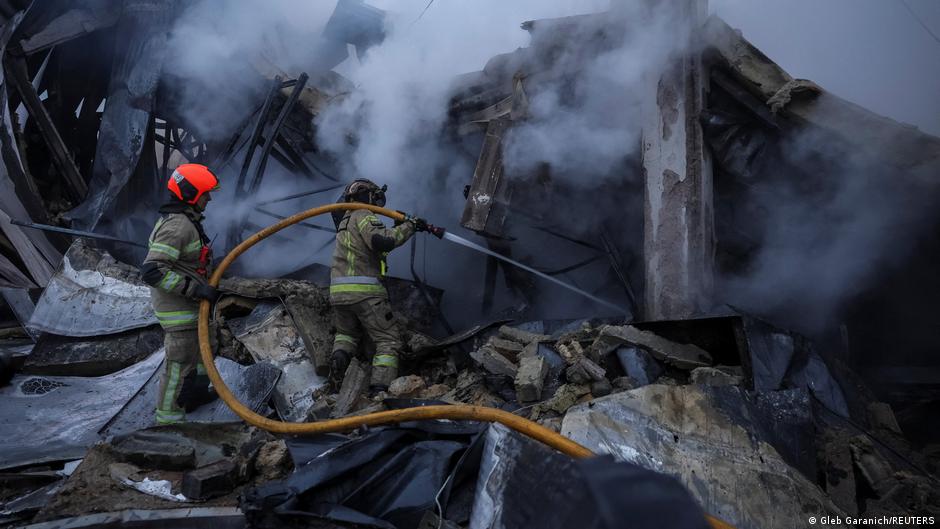
A Russian drone struck a residential building in Kharkiv overnight, injuring four people, including a four-year-old boy, as attacks also caused fires at a two-story industrial facility and nearby homes. The incident highlights the mounting risks that continuing strikes pose not only to civilians but also to business operations, employees and physical assets in one of Ukraine’s largest cities.
Russian forces attacked Kharkiv during the night leading into Wednesday, October 28. In the city’s Osnovianskyi district, a two-story industrial building, a two-story apartment building and a single-story house caught fire following the attack, according to Oleh Syniehubov, head of the Kharkiv Regional Military Administration.
Syniehubov later said that two women, aged 32 and 65, a 56-year-old man and the four-year-old boy were injured. Three of the four required hospitalization. Kharkiv Mayor Ihor Terekhov also reported that a Russian unmanned aerial vehicle had hit an apartment building and said people were believed to be trapped inside.
“A strike on an apartment building. According to the available information, people are trapped inside,” Terekhov wrote.
Industrial Damage Raises Operational Concerns
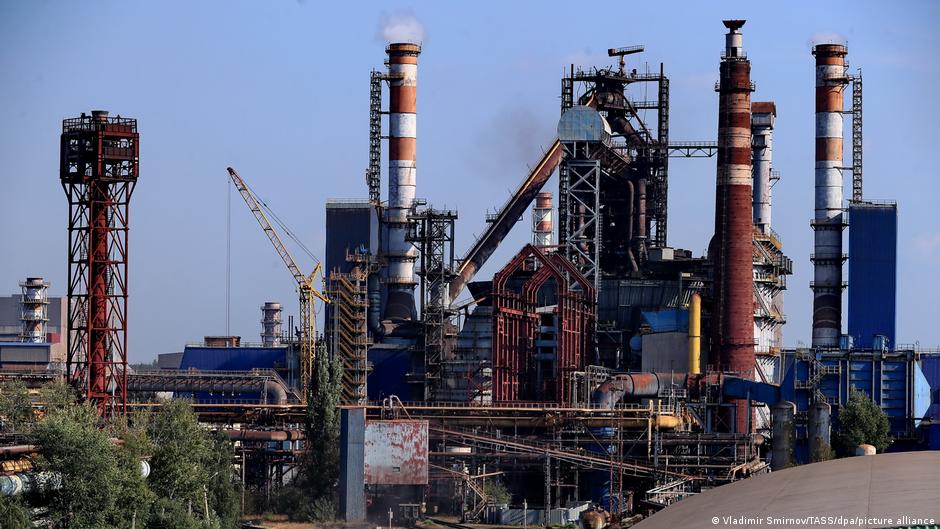
The reported fire at a two-story industrial building adds a commercial dimension to an attack centered on residential areas. The available information does not identify the company operating at the site, the nature of production conducted there or the extent of the damage. It therefore remains unclear whether the incident caused a temporary interruption or a more lasting loss of productive capacity.
Even without those details, damage to industrial property can create consequences beyond the affected building. Management teams operating in exposed regions must account for possible disruption to staffing, utilities, transport and supplier access. When residential buildings are struck at the same time, the impact on the workforce can become especially acute: employees may be injured, displaced or unable to travel, while executives must balance continuity plans with immediate obligations to staff safety.
The combination of residential and industrial fires also illustrates why corporate resilience in wartime cannot be limited to protecting factories or offices. Employee housing, local infrastructure and emergency access form part of the same operating environment. A production site may remain technically usable while still facing severe constraints if workers, surrounding communities or essential services are affected.
Management Decisions Under Persistent Threat
For company leaders, repeated attacks can force difficult capital-allocation decisions. Businesses must weigh whether to repair damaged facilities, reinforce existing sites, relocate selected functions or maintain redundant capacity elsewhere. Such choices involve trade-offs between cost, speed and exposure, particularly when the direction and intensity of future attacks cannot be predicted.
The competitive effects may also vary considerably. Larger companies may have greater capacity to disperse operations, maintain backup systems or absorb temporary shutdowns. Smaller manufacturers and local suppliers may have fewer alternatives if a single property is damaged or employees cannot reach the workplace. That imbalance can influence supply relationships and potentially increase dependence on businesses with geographically diversified operations.
Merger and acquisition decisions may likewise require a more detailed assessment of physical and human-capital risk. Investors considering Ukrainian assets must evaluate not only conventional financial performance but also the location of facilities, dependence on individual sites and the strength of emergency procedures. The Kharkiv incident does not provide evidence of any specific transaction or corporate response, but it illustrates the range of operational factors likely to shape strategic reviews.
Threats Extended Beyond Kharkiv
During the same period, the Ukrainian Air Force warned of a possible ballistic-weapons launch from Bryansk toward Kyiv, although that warning was later canceled. Messages published through the Air Force’s Telegram channel said attacks involving jet-powered drones and guided aerial bombs continued in the direction of the Kharkiv and Dnipropetrovsk regions, as well as Kyiv and the surrounding region.
For businesses with networks spanning several Ukrainian regions, the broad geographic scope of such alerts complicates contingency planning. Moving activity away from one exposed location may reduce a particular risk without eliminating disruption elsewhere. Supply chains, logistics routes and administrative functions can remain vulnerable when alerts or attacks affect multiple regions at once.
The immediate consequences in Kharkiv were human: four people were injured, three were hospitalized, and residents were reported trapped after a strike on an apartment building. The simultaneous fire at an industrial property shows how the same attack can also threaten productive assets and local economic activity. For corporate management, that overlap makes employee protection, operational redundancy and location strategy increasingly inseparable.