Canada Selects German TKMS for Submarine Fleet, Signaling Deepening Transatlantic Defense Ties
Germany’s TKMS awarded a major contract by Canada for up to 12 advanced non-nuclear submarines, enhancing NATO’s strategic presence in the Arctic and North Atlantic.
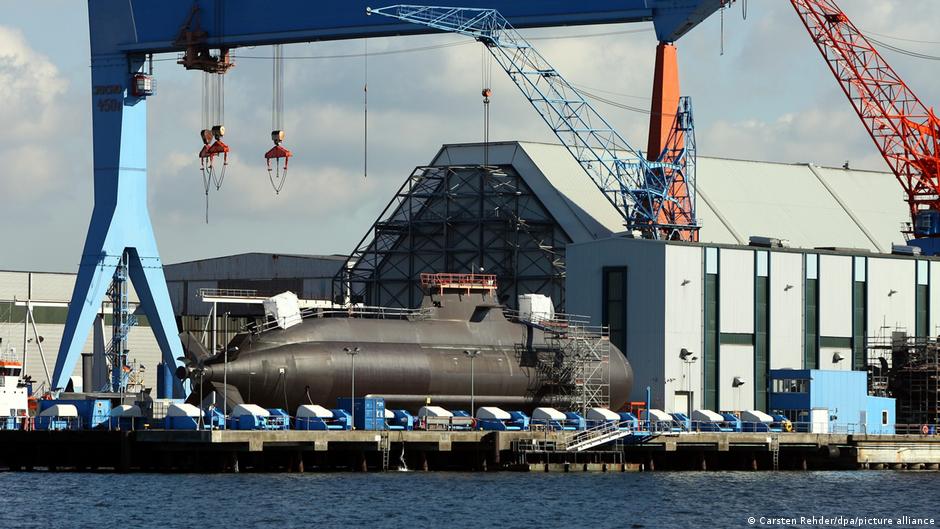
In a significant move strengthening transatlantic defense cooperation, Canada has officially selected German shipbuilder ThyssenKrupp Marine Systems (TKMS) to build up to 12 advanced non-nuclear submarines. The contract, potentially worth around €100 billion over the lifecycle including maintenance and operations, was announced by Canadian Prime Minister Mark Carney and has been warmly welcomed by German political leadership.
Strategic Implications and NATO Synergies
German Chancellor Friedrich Merz described Canada’s decision on July 6 as a "powerful signal" ahead of the NATO summit, underscoring the commitment of Canada, Germany, and Norway to close cooperation in defense capabilities. The submarines, based on the cutting-edge Type 212CD design jointly developed by Germany and Norway, are intended to bolster NATO’s security footprint in the High North, including the Arctic and the North Atlantic.
"Together we will create the largest and most modern fleet of non-nuclear submarines in the world," said German Defense Minister Boris Pistorius, emphasizing the operational advantages of shared intelligence and interoperability among the three allied nations.
Minister Pistorius highlighted the strategic value of this trilateral submarine fleet, noting that it represents a key element in NATO's strategy to ensure security in geostrategically sensitive and increasingly contested northern maritime regions. By pooling resources and capabilities, Canada, Germany, and Norway aim to achieve a fairer distribution of defense burdens within the alliance.
German Foreign Minister Johann Wadephul praised the successful industrial collaboration and the technological leadership embodied by TKMS, describing the submarines as the "best non-nuclear submarines in the world." He also underscored the broader impact of the deal in opening a new chapter for defense and industrial policy cooperation between the three nations.
Competitive Landscape and Corporate Strategy
The TKMS contract was won after fierce competition with South Korea’s Hanwha Ocean shipyard, highlighting the strategic importance of the deal not only for defense capabilities but also for industrial and economic interests. Given the extensive service life and ongoing operational requirements of the submarines, the agreement represents a long-term partnership opportunity for TKMS, securing its position as a leading global submarine manufacturer.
For Canada, the acquisition of Type 212CD submarines aligns with the country’s broader naval modernization strategy and its growing role within NATO's northern defense architecture. The procurement also demonstrates a preference for proven European technology and defense industrial collaboration, which could influence future defense procurement decisions.
From a corporate perspective, TKMS’s success in securing the contract amidst international competition enhances its global footprint and underscores the importance of strategic alliances and technology leadership in defense sector M&A and contract bidding.