Cuba’s National Blackout Highlights Deepening Energy Crisis Amid US Sanctions
Cuba faces a nationwide power outage amid escalating US sanctions and stalled diplomatic talks, prompting major economic reforms and energy strategy shifts.
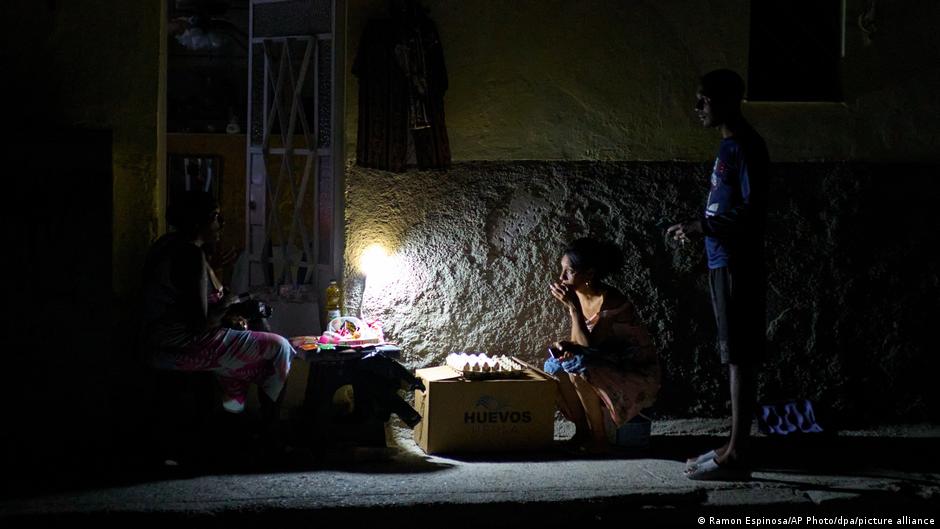
Cuba experienced a nationwide blackout on Monday, July 6, when its entire electrical grid went offline, according to the state utility company Unión Eléctrica. Authorities immediately commenced restoration efforts, but the underlying causes of the failure remain under investigation. This outage comes amid intensifying economic and political pressure from the United States government, which has tightened sanctions aimed at destabilizing the Cuban regime in Havana.
Energy Crisis Deepens Under Sanctions and Fuel Shortages
The island nation, home to approximately 10 million people, has long struggled with energy reliability issues. However, the current crisis has been exacerbated by increasingly stringent US sanctions that have restricted Cuba's access to fuel supplies. Since January 2026, the United States has only permitted the delivery of oil to Cuba via a single Russian tanker that arrived in late March with 730,000 barrels. These supplies were depleted by May, leaving Cuba to manage with only 40% of the fuel it needs to power its electricity infrastructure.
Bloomberg reports that the American embargo has significantly worsened chronic power outages across the country. In recent months, widespread blackouts have become more frequent and prolonged. For instance, in mid-March, the entire nation experienced several hours without electricity. In May, eastern provinces faced similar disruptions. To conserve electricity, the Cuban government has instituted scheduled power cuts that can last up to 24 hours, impacting daily life and economic activity.
"The energy shortages have forced Cuba to implement its largest economic reforms in over six decades, including partial privatization and nearly 200 market-oriented policies proposed in June 2026 to counteract the fuel blockade."
Strategic Economic Reforms Amid Diplomatic Stalemate
Facing prolonged energy shortages and economic hardship, Cuban authorities have initiated the most substantial reforms since the 1950s. These include partial privatization measures and the introduction of nearly 200 market reforms aimed at revitalizing the economy and mitigating the effects of the US fuel embargo.
Despite these efforts, diplomatic negotiations between Cuba and the United States have reached an impasse. The US administration, under former President Donald Trump, maintains a firm stance aimed at regime change rather than engagement, hoping to replace Havana's government with one more amenable to US interests.
This geopolitical standoff places Cuba in a precarious position, forcing corporate and government entities to reevaluate energy sourcing, infrastructure resilience, and economic diversification strategies. The blackout serves as a stark indicator of the vulnerabilities in Cuba's energy sector and the broader implications of sustained international sanctions on the island's economic stability and governance.
As Cuba navigates this complex landscape, the coming months will be critical for assessing the effectiveness of its reform agenda and the potential for any diplomatic breakthroughs that could ease fuel restrictions and stabilize the country's energy grid.