Germany Approves 2027 Budget with Increased Defense Spending and Borrowing Amid Security Concerns
The German government plans a 6% rise in expenditures and a significant boost in defense budget, sparking debate over fiscal strategy and economic growth.
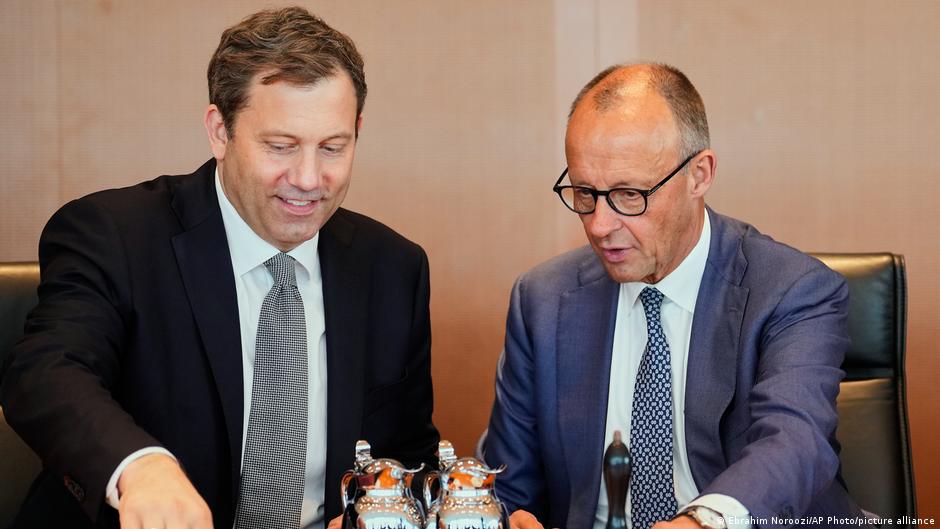
On July 6, the German government approved the draft federal budget for 2027, marking a notable shift in fiscal policy amid heightened security concerns. The draft, prepared by Finance Minister Lars Klingbeil, envisions a 6% increase in total expenditures to €555.4 billion and a rise in new borrowing to €118.7 billion, up from €98 billion this year.
Strategic Increase in Defense Spending
A key feature of the proposed budget is the dramatic 32.7% increase in the Ministry of Defense's allocation, rising from €82.69 billion in 2026 to €109.75 billion in 2027. This makes defense the second-largest expenditure after the Ministry of Labor and Social Affairs, which will continue to command the largest share at €201.4 billion, primarily funding pensions.
Minister Klingbeil justified the substantial rise in defense spending and borrowing citing the "tense security environment" due to perceived threats from Russia. He stated,
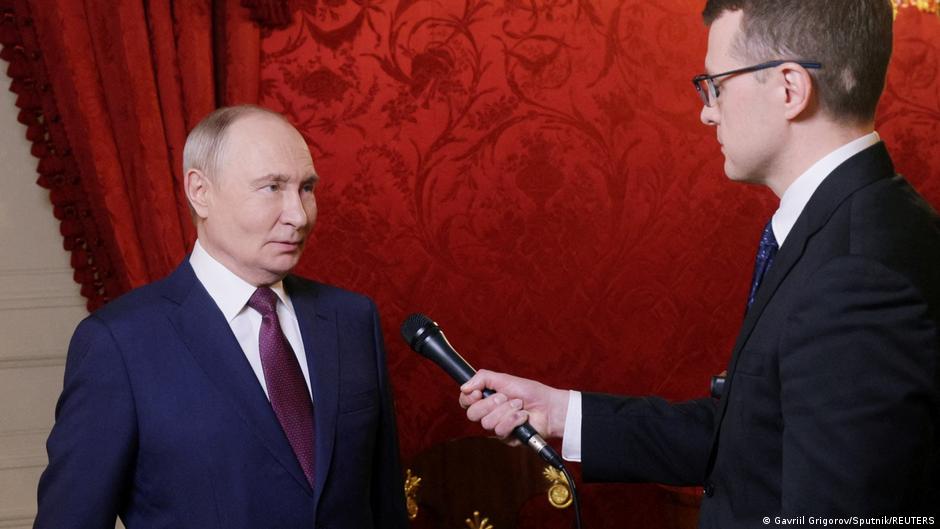
"We must make up for three decades of underfunding that has weakened our armed forces, and do so in a very compressed timeframe."Adding, "We cannot protect ourselves from President Putin with a balanced budget." This marks a strategic pivot responding directly to geopolitical pressures, emphasizing national security over traditional fiscal restraint.
Broader Fiscal Implications and Criticism
While the budget aims to address security vulnerabilities, it has drawn criticism from Germany's industrial and business sectors. The Federation of German Industries (BDI) voiced concern about the planned expenditure and borrowing increases. CEO Tanja Gönner emphasized the need for measures that stimulate economic growth and improve the efficiency of public spending rather than continued fiscal expansion.
Similarly, the German Chambers of Industry and Commerce (DIHK) underscored the long-term fiscal challenges. DIHK CEO Helena Melnikov warned that by 2030, 80% of the budget would be consumed by social spending, defense, and debt interest. She argued that such a composition leaves minimal fiscal space for investments that could drive economic growth.
Reallocations and Economic Strategy
The draft also indicates a shift in budgetary priorities with funds being redirected from the Climate and Transformation Fund into the main budget. This reallocation raises questions about Germany's commitment to its climate agenda and the balancing act between defense imperatives and sustainable development goals.
Furthermore, the Ministry of Transport is slated to receive €26.43 billion, the third-largest budgetary allotment, reflecting ongoing infrastructure priorities.
Outlook on Germany’s Fiscal Policy
The 2027 budget signals Germany's willingness to embrace a more flexible fiscal stance in the face of evolving geopolitical risks. However, the increased borrowing and expenditure levels may complicate the government's efforts to stimulate economic growth and maintain fiscal sustainability.
Business leaders' calls for efficiency and growth-oriented spending highlight the tension between safeguarding security and fostering economic vitality. The Bundestag's upcoming approval process will be closely watched for potential revisions reflecting these concerns.