Germany Identifies 410 Islamist Threats Amid Rising Radicalization Concerns
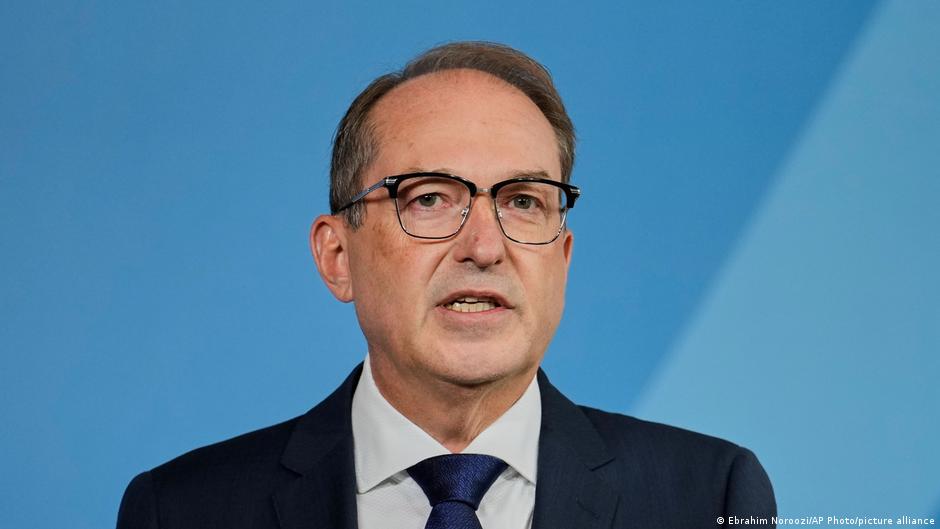
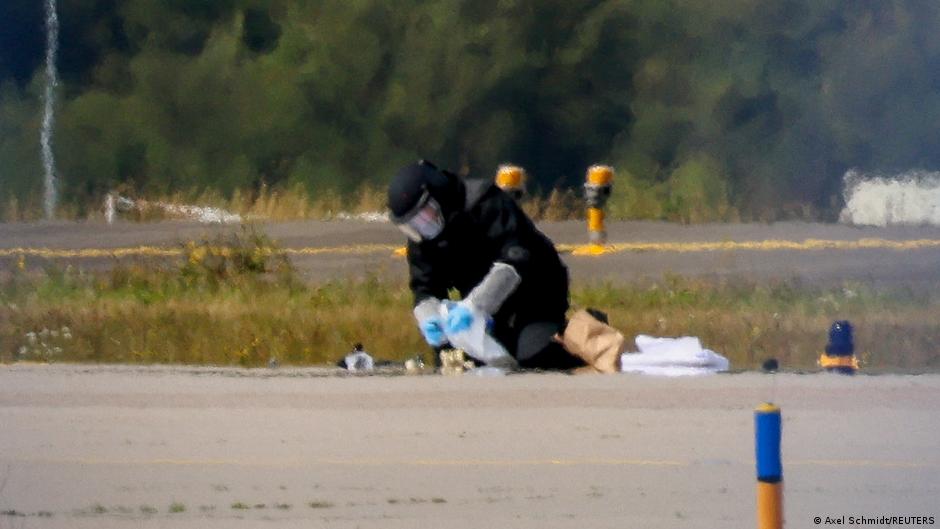
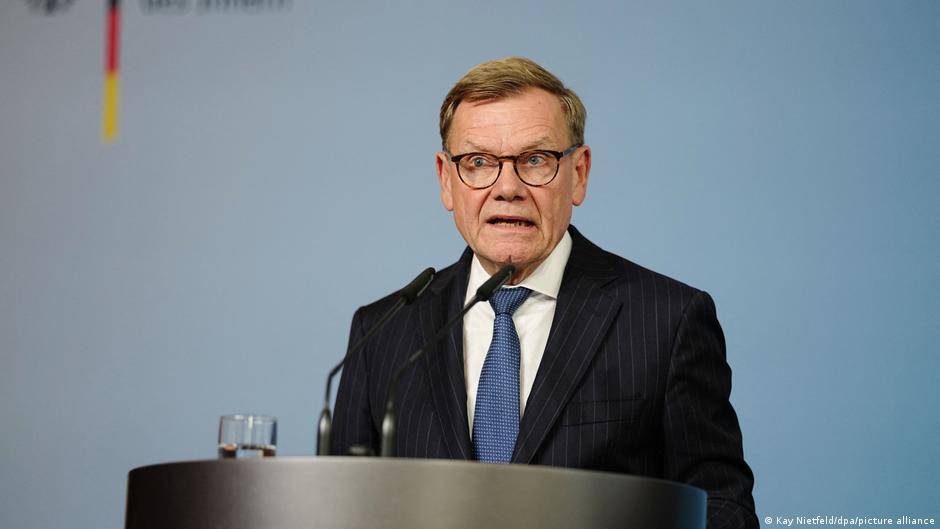
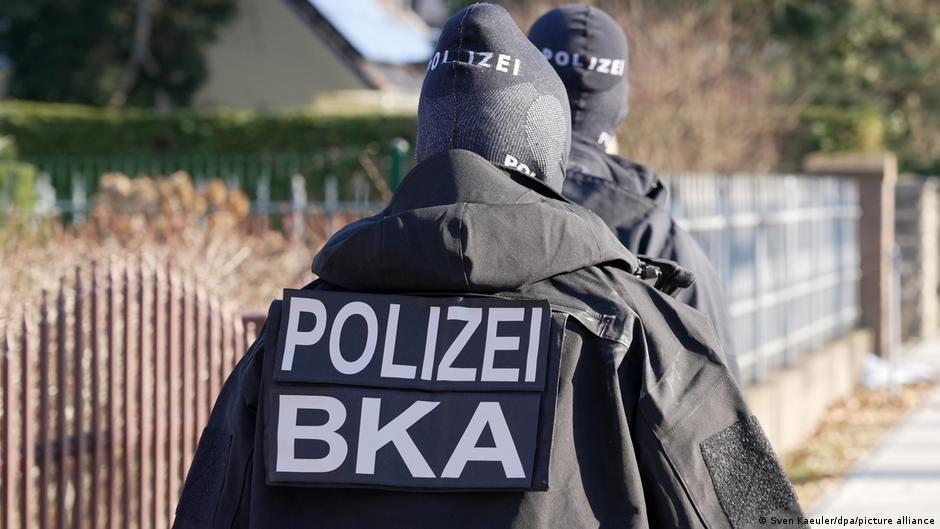
Germany classifies 410 individuals as Islamist threats, highlighting challenges in counterterrorism and raising calls for improved deradicalization and preventive measures.
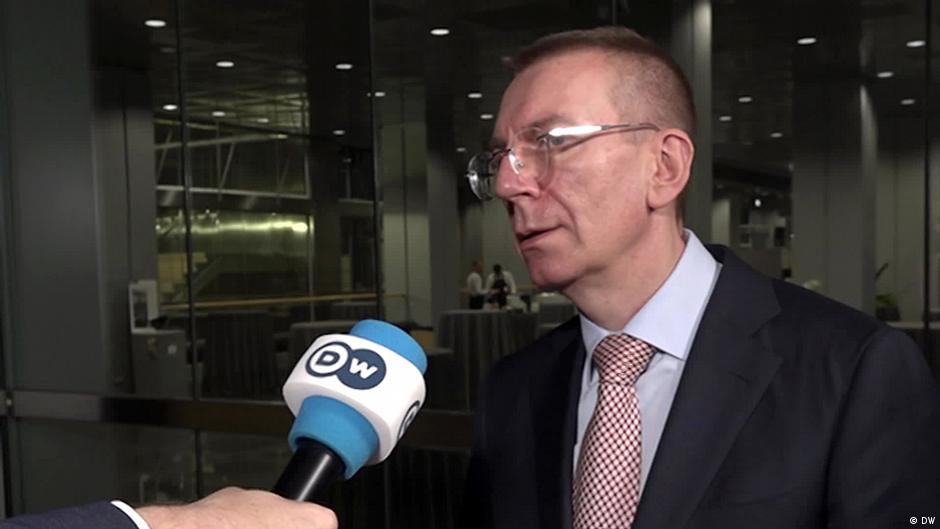
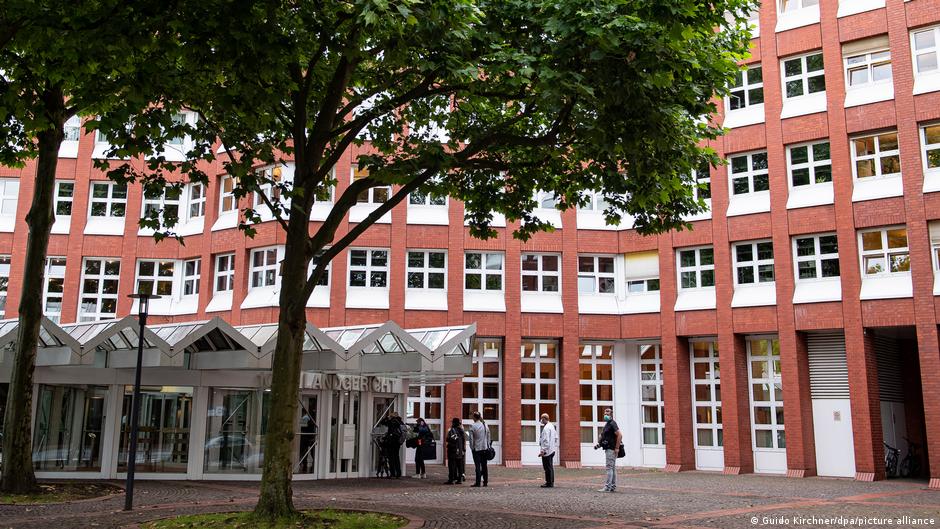
Germany classifies 410 individuals as Islamist threats, highlighting challenges in counterterrorism and raising calls for improved deradicalization and preventive measures.

Germany’s Transport Minister Patrick Schnieder resigns as Chancellor Friedrich Merz nominates Steffen Bilger amid party tensions and strategic government reshuffles.

A Kremlin-linked bot network launched a disinformation campaign in eastern Germany aimed at influencing regional election outcomes by spreading fake media content.

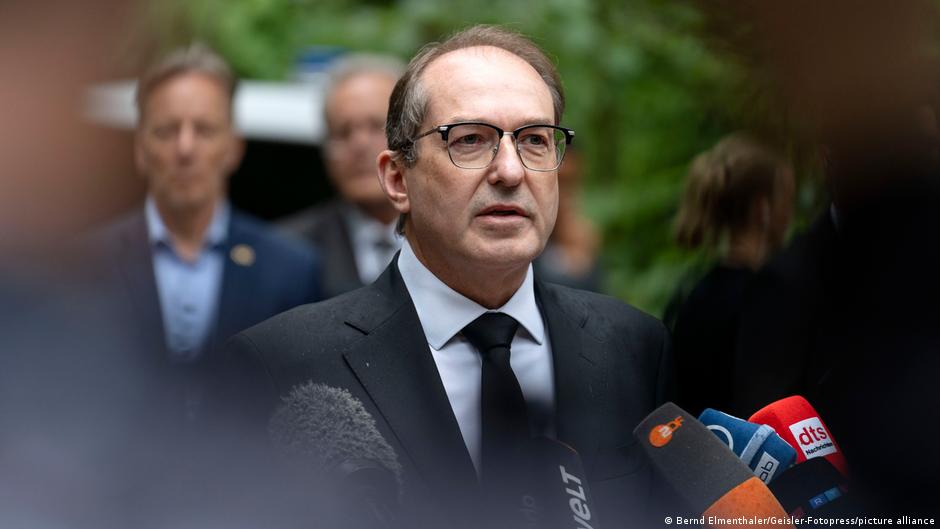
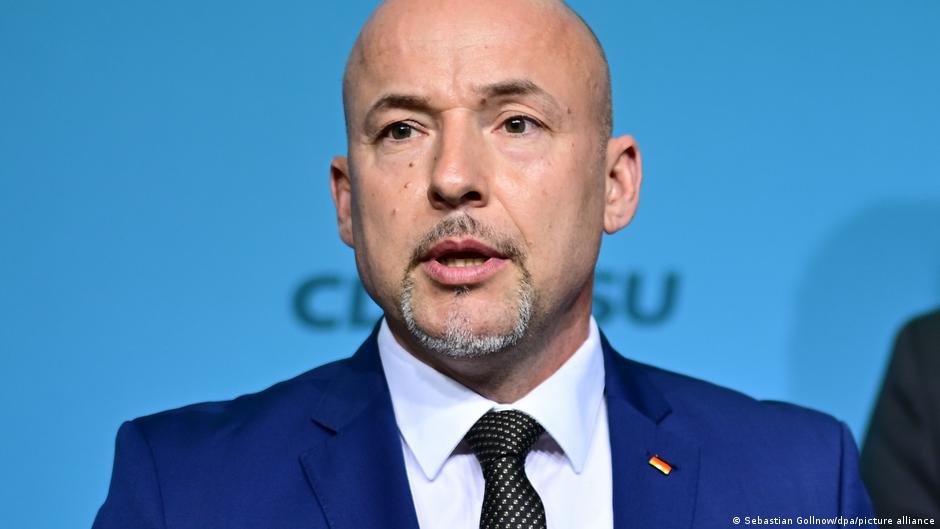
CSU leader Alexander Hoffmann calls for a Germany-Ukraine intergovernmental pact to acquire Ukraine's advanced drone technologies, enhancing German defense capabilities.

US military deaths in the conflict with Iran rise to 17 as new casualties occur and strategic deployments increase amid escalating regional tensions.

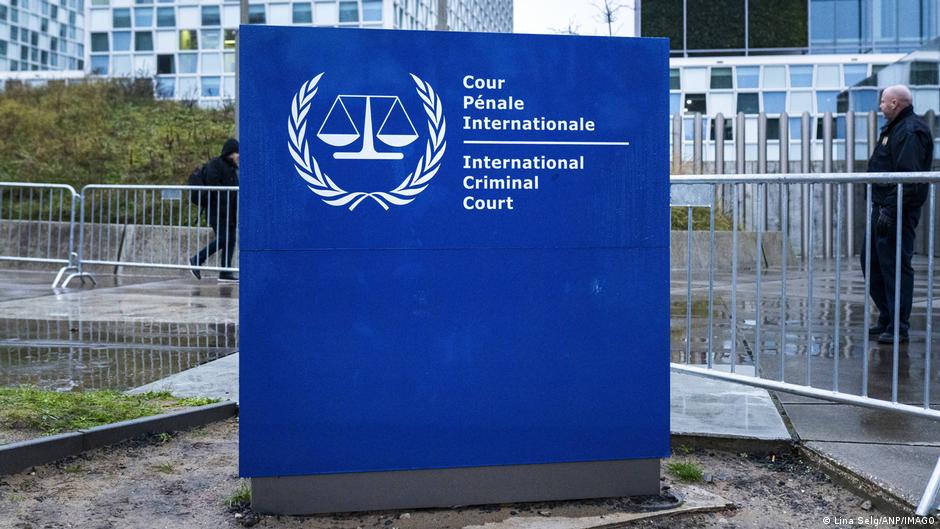
Germany defends the International Criminal Court as the U.S. intensifies its campaign against the tribunal, highlighting competing visions for international justice and sovereignty.

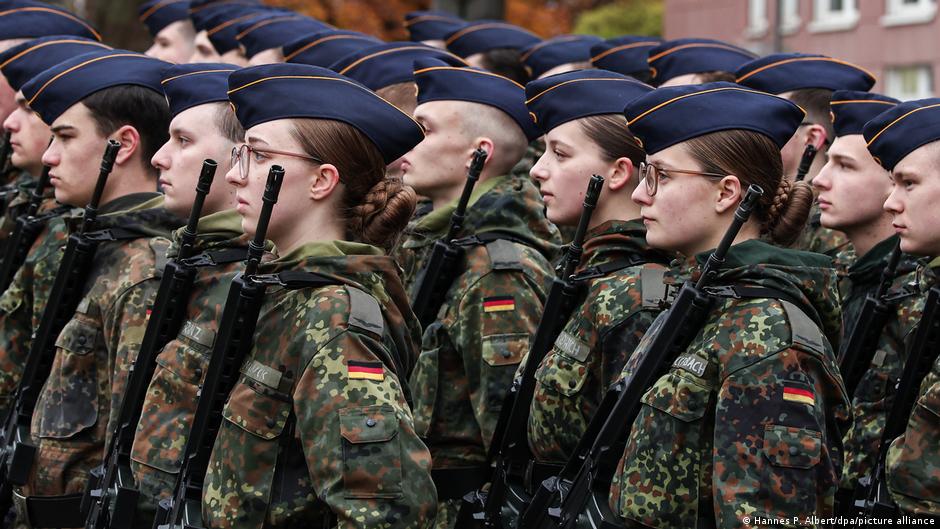
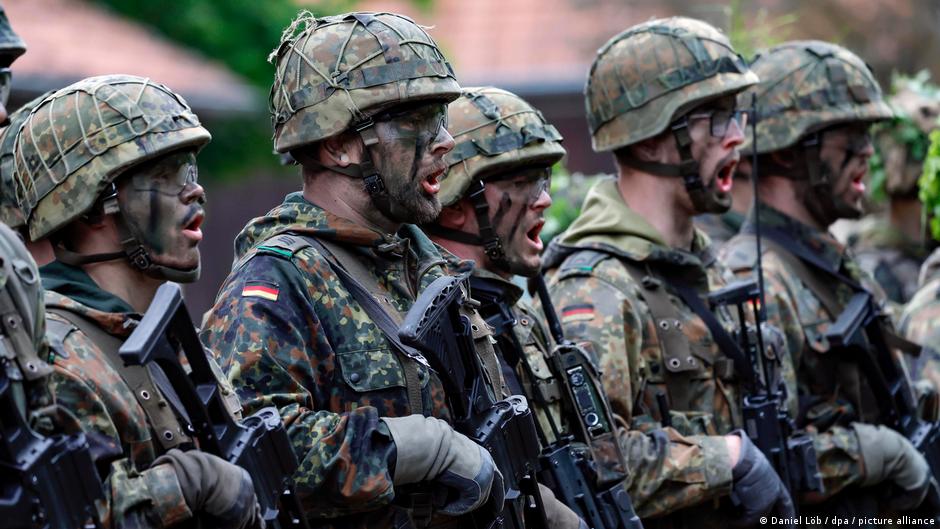
Germany recorded 5,862 military service refusals in H1 2027 amid new conscription reforms and rising security tensions, surpassing totals from previous years.

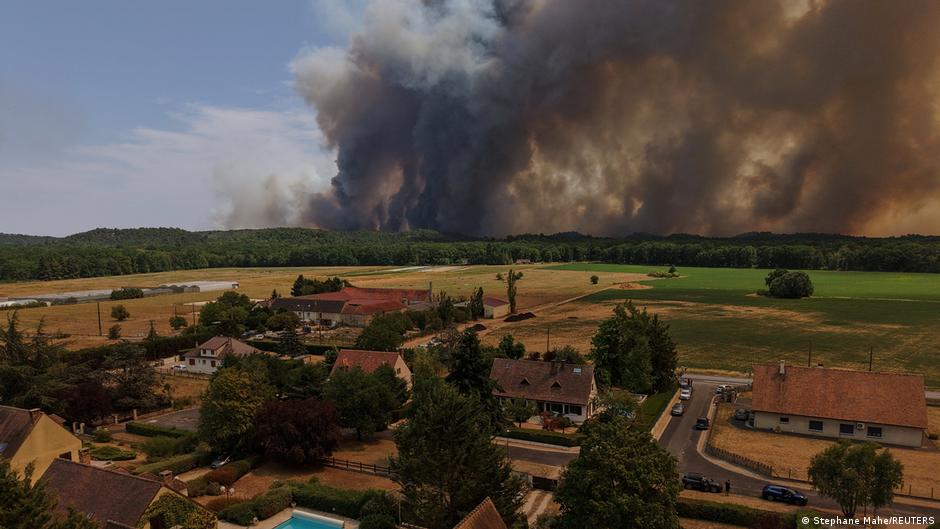
Two individuals were detained for suspected arson following a massive wildfire near Paris that destroyed over 1,300 hectares and forced 1,000 evacuations amid France's intense heatwave.

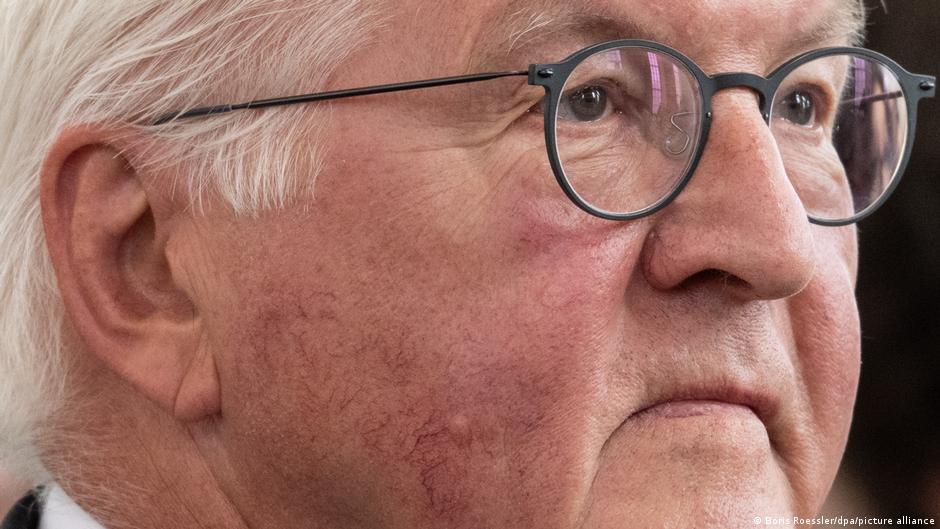
German President Steinmeier calls for Europe to respond firmly to geopolitical challenges from Russia and the US, highlighting social reforms and democratic resilience amid rising far-right support.

Germany announces a record €124.7 billion defense budget for 2026, marking a significant increase amid NATO’s evolving military spending landscape and U.S. pressure.

Germany's 2027 budget includes a 6% spending increase and a 32.7% rise in defense funding amid security concerns, sparking debate over fiscal priorities and economic growth.

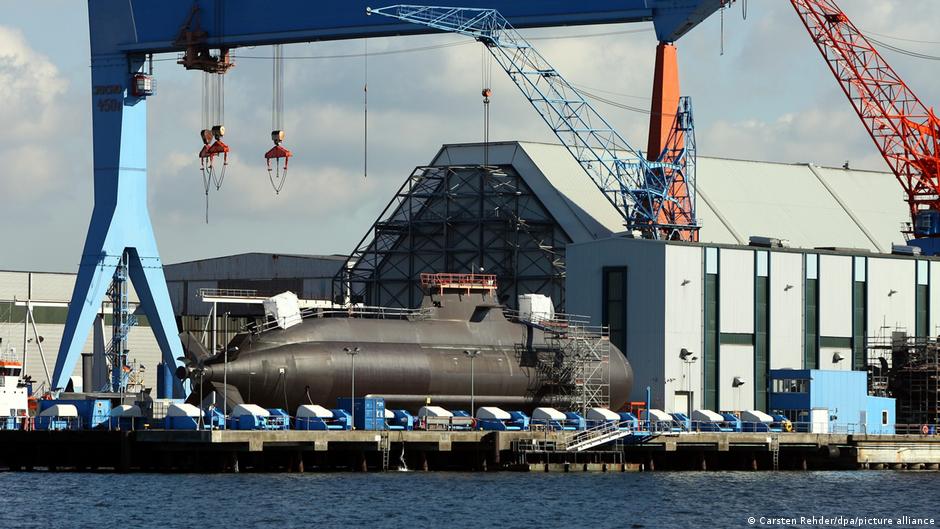
Canada selects Germany's TKMS to build up to 12 advanced submarines, boosting NATO's Arctic defense and signaling deeper transatlantic cooperation.

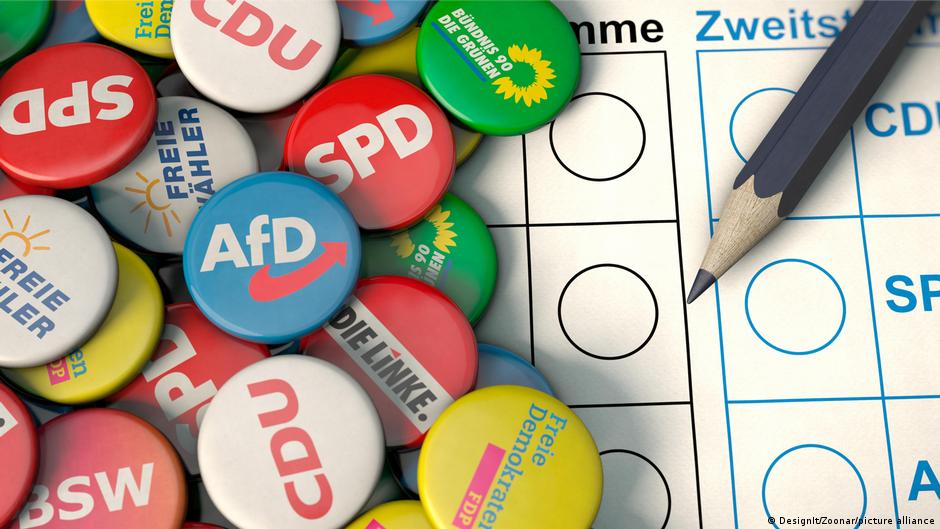
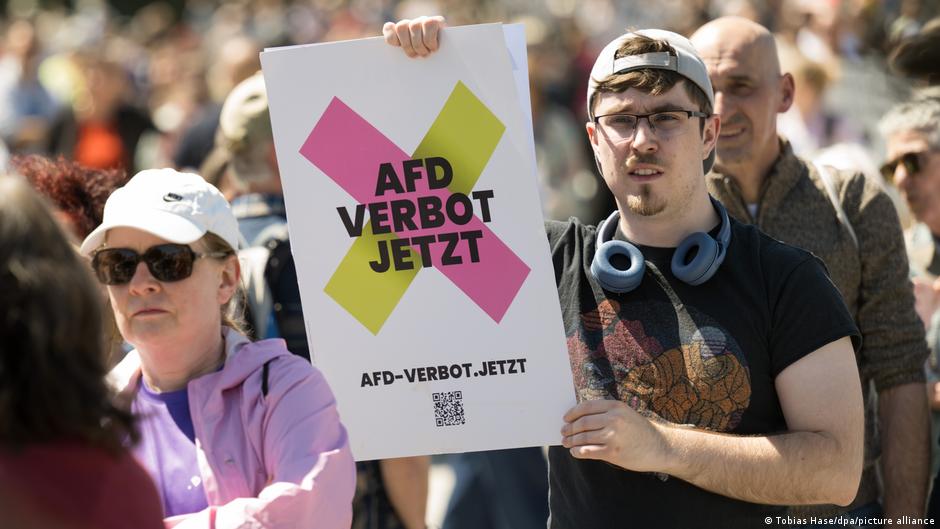
A recent Insa poll shows 45% of Germans oppose banning the far-right AfD party despite its lead over CDU/CSU, highlighting political divisions and implications for Germany's corporate landscape.

A DGB study reveals 40% of German workers doubt they can continue working until pension age due to heavy physical and mental job demands, prompting calls for improved labor conditions.

Latvian President Edgars Rinkēvičs calls for NATO to prepare for possible escalation with Russia, stressing the need for stronger military capabilities beyond increased defense budgets.

Two German brothers admitted to breaching EU sanctions by routing machine component shipments through shell companies in Kyrgyzstan and Turkey to Russia.

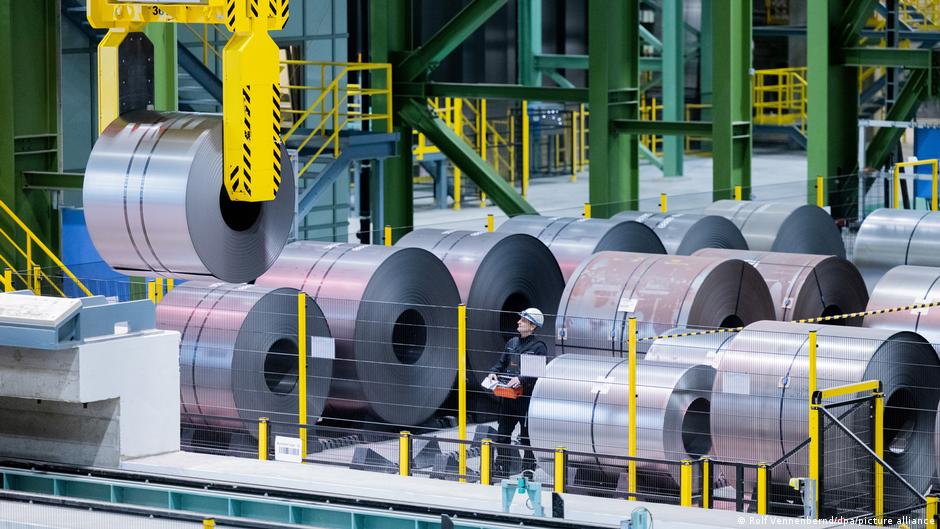
The EU reduces duty-free steel import quotas by 47%, imposing a 50% tariff on excess imports to protect its domestic steel industry from global oversupply, especially from China.

German and US foreign ministers reaffirmed their partnership and discussed NATO contributions and support for Ukraine amid global economic and geopolitical challenges.

Russian anti-war activist Ilya Shkolny wins asylum in Germany after a three-year legal struggle and initial deportation refusals amid concerns over political persecution.

Donald Trump praised Ukrainian President Zelensky’s resilience in the ongoing Russia-Ukraine war while criticizing European allies, highlighting shifting geopolitical and strategic dynamics.

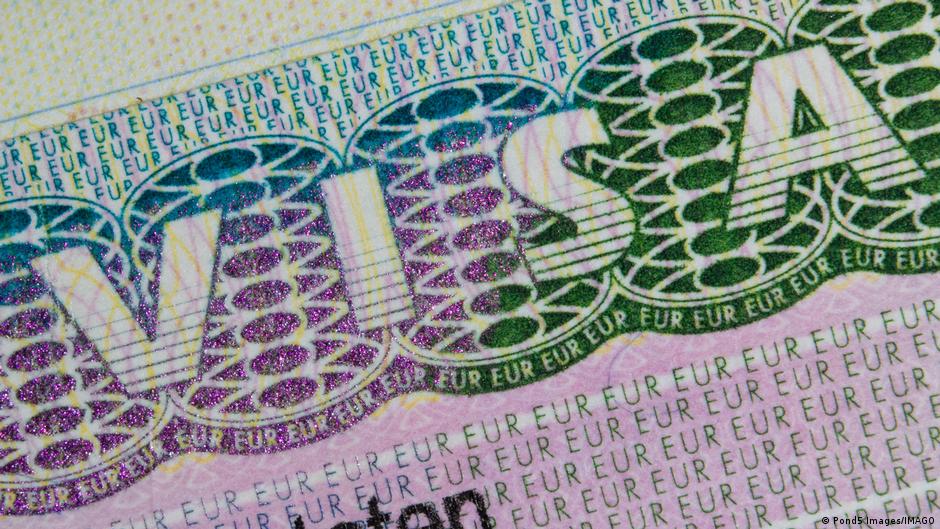
Belgium issued one-day visas to five Taliban representatives to attend an EU meeting in Brussels on Afghan deportations, highlighting complex migration and security challenges.

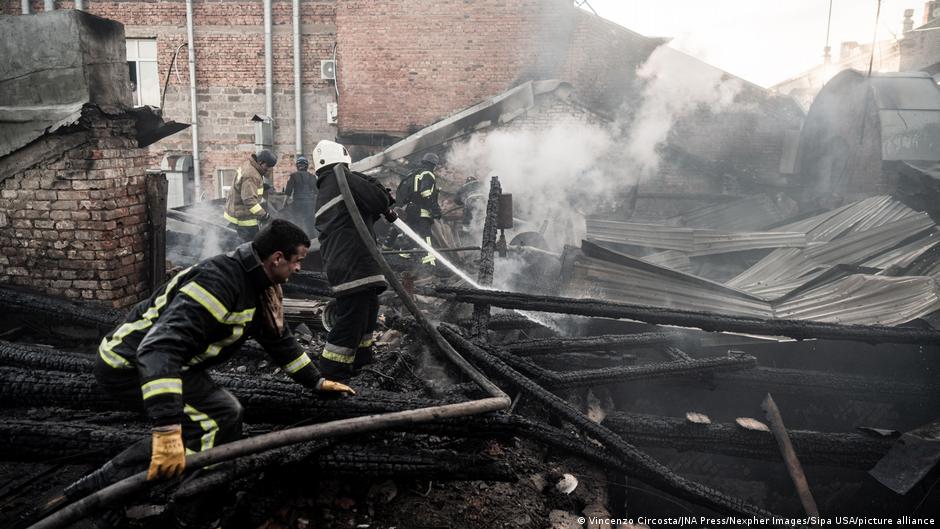
A Russian military drone struck a residential building in Kharkiv causing a fire, while a missile attack in Odessa left one dead and multiple injured, intensifying regional security concerns.

Germany urges Turkey to exclude Russian gas from future EU energy contracts, highlighting geopolitical shifts and challenges in transitioning energy sources.

The EU has quietly initiated diplomatic contacts with Kremlin officials as part of a strategic move to prepare for potential peace negotiations over the Ukraine conflict.

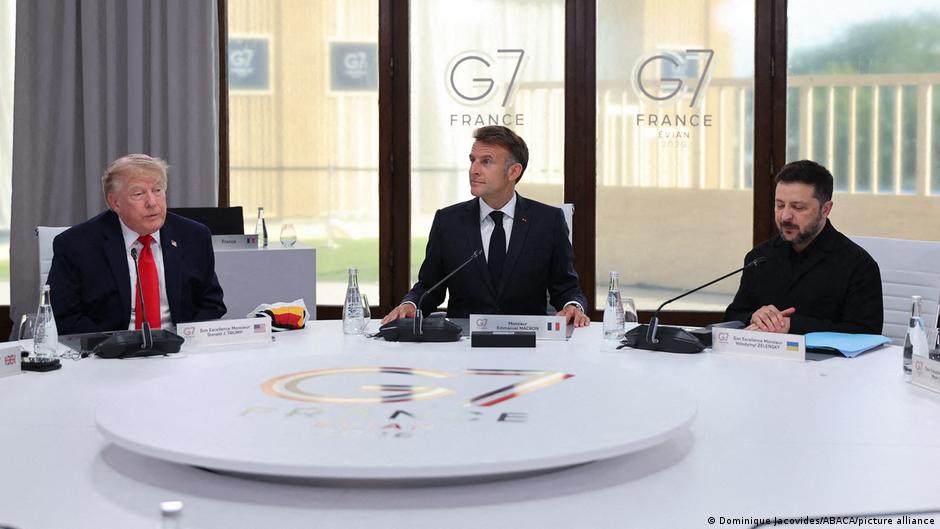
G7 leaders pledge new sanctions targeting Russia's oil and gas sectors and increase military aid to Ukraine, including advanced weaponry and support for domestic arms production.

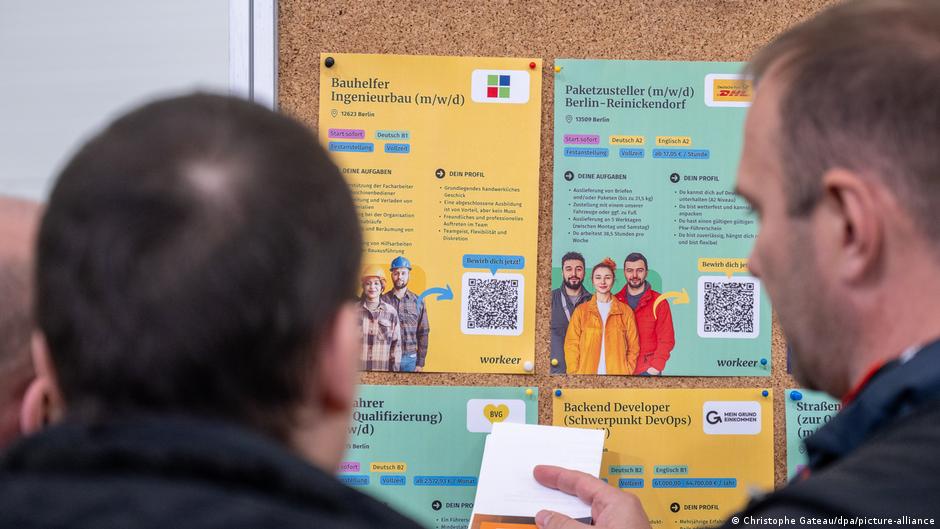
Germany’s workforce shortage is projected to increase by 4.3 million by 2036 due to baby boomer retirements and slower immigration, prompting strategic shifts in labor management.

European leaders back the US-Iran peace deal emphasizing rapid execution, nuclear non-proliferation, and restoring free navigation through the strategic Strait of Hormuz.

Twenty-two countries accuse Iran of orchestrating attacks targeting Jewish communities and dissidents abroad, warning of violations of sovereignty and calling for immediate cessation.

Germany commits an additional €300 million to the Czech-led ammunition supply initiative for Ukraine, ensuring the procurement of 50,000 rounds amid a shrinking donor base.

Ukrainian President Zelensky holds constructive talks with Trump envoys to intensify diplomatic efforts and coordinate international support amid ongoing conflict.

Ukrainian drones launched a mass attack on Russia's Leningrad region hours before the St. Petersburg International Economic Forum, disrupting airport operations and raising security concerns.

The UN faces a financial crisis due to delayed payments from the US and China, forcing cutbacks and operational restructuring amid governance constraints.

Alleged children of Vladimir Putin and Alina Kabaeva are educated by Western governesses in a covert and costly language program, reflecting Kremlin’s private education strategy.

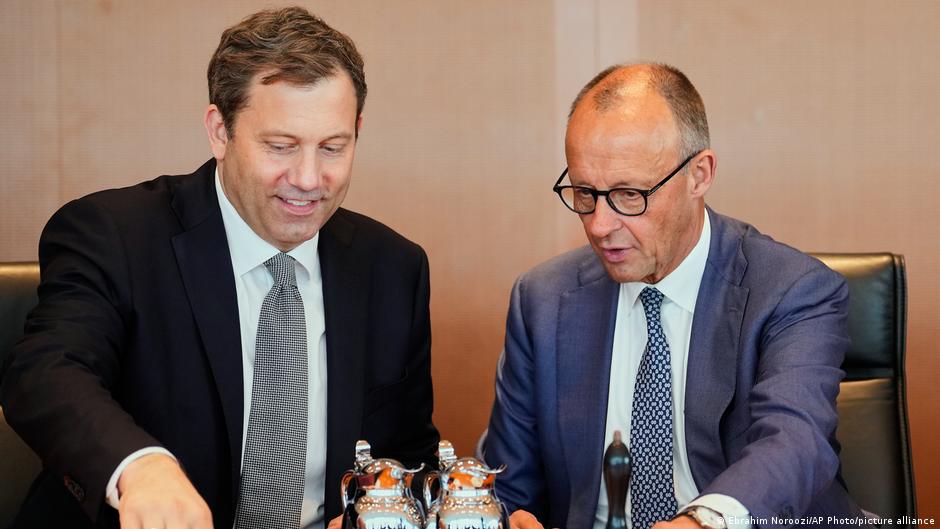
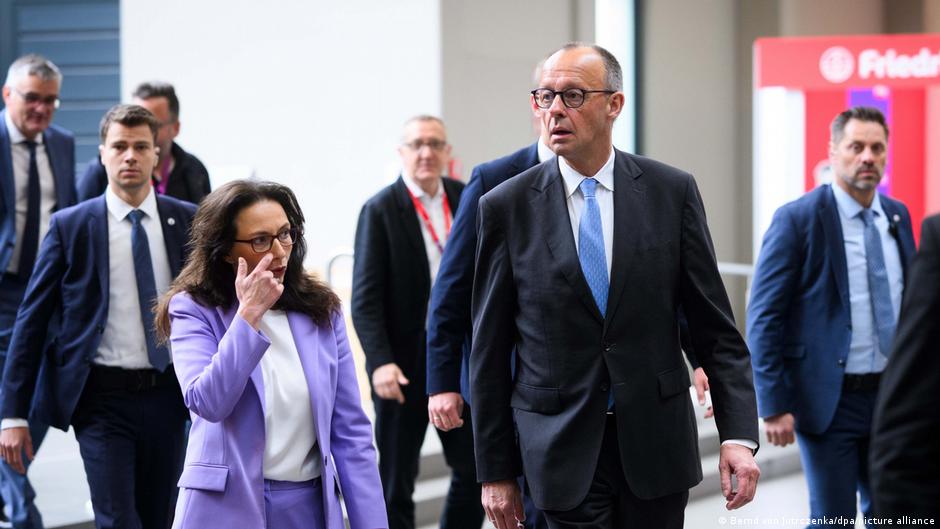
Chancellor Friedrich Merz's team denies rumors of early leadership change, calling them baseless amid low government approval and internal CDU speculation.

The EU delays naming a negotiator for Ukraine peace talks, focusing first on defining negotiation goals and reinforcing sanctions against Russia's financial and defense sectors.

Ukraine and its European allies held a high-level video conference to discuss reactivating diplomacy and increasing Europe's role in ending the Russian aggression.

The EU and Mexico have signed a sweeping trade agreement eliminating most tariffs and easing trade barriers, aiming to boost exports, investments, and bilateral cooperation.

Trump announces sending 5,000 additional U.S. troops to Poland amidst Pentagon troop movement reversals and strategic realignments in Europe.

NATO confirms ongoing delivery of US air defense missiles to Ukraine under the PURL program, highlighting strategic Western support amid evolving European security challenges.

Moscow has granted agrément to Clemens von Goetze as Germany's new ambassador amid strained Russia-Germany relations and shifting diplomatic strategies.

Ukraine and Germany advance joint air defense and drone manufacturing efforts to counter escalating Russian attacks, enhancing military cooperation and technology integration.

Serbia holds its first joint military exercises with NATO, balancing its policy of neutrality while deepening strategic defense partnerships amid complex regional dynamics.

Ukraine offers NATO advanced long-range drones and missiles to address critical capability gaps, signaling enhanced defense cooperation and strategic shifts in European security.

Germany considers President Steinmeier as EU envoy for Russia-Ukraine peace talks, proposing a joint mediation with Schröder amid skepticism about Moscow's intentions.

Putin names Gerhard Schröder as preferred EU negotiator for Ukraine peace talks, emphasizing the need for respectful dialogue and signaling Russia's strategic diplomatic approach.

US President Trump confirms the possibility of relocating American troops from Germany to Poland, reflecting shifts in NATO's military strategy and transatlantic relations.

Germany is accelerating development of domestic long-range weapons after the US declined to deploy Tomahawk missiles, aiming to counter Russia’s Iskander threat and bolster European deterrence.

Germany’s energy firm Sefe will transfer an 84 MW gas power plant formerly serving Nord Stream to Ukraine as humanitarian aid, reflecting strategic asset shifts amid geopolitical tensions.

President Trump announces a significant reduction of US troops in Germany beyond prior figures, signaling a strategic reorientation of US military presence in Europe.

The ifo Institute warns that US tariff hikes on EU cars risk triggering a German recession in 2026 if the EU retaliates, threatening the country's vital automotive exports amid escalating trade tensions.