Russia Deploys Northern Fleet Anti-Submarine Ship Admiral Levchenko to Baltic Sea Near Germany
The redeployment signals strategic support for Russia's so-called 'shadow fleet' operations amid shifting naval assets in the Baltic region.
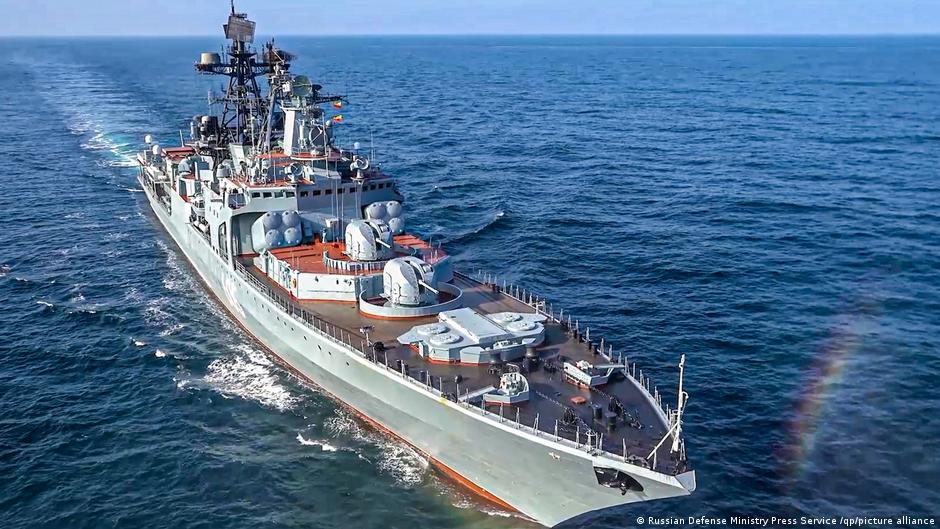
Russian naval forces have repositioned the large anti-submarine ship Admiral Levchenko, one of the Northern Fleet’s biggest vessels, from the Barents Sea to the Baltic Sea near Germany. The move was observed off the German island of Fehmarn, indicating a strategic shift in Moscow’s maritime posture in the Baltic region.
Strategic Implications of the Redeployment
The presence of Admiral Levchenko in the western Baltic Sea marks a notable development in Russia’s naval deployments. German maritime observers photographed the vessel passing near Fehmarn on July 31, and subsequent images placed it north of the German port city of Rostock. The Russian authorities have not officially disclosed the ship’s relocation or its operational mission in the Baltic.
Analysts suggest that Admiral Levchenko is likely replacing the similar-class vessel Severomorsk, which until recently patrolled the Fehmarn Belt strait between Denmark and Germany. The Severomorsk was reportedly tasked with ensuring the security of Russia’s "shadow fleet"—civilian vessels engaged in transporting Russian oil, often operating under a veil of ambiguity due to sanctions and geopolitical pressures.
"The deployment of Admiral Levchenko underscores Russia’s intent to maintain robust naval coverage over critical commercial sea lanes, shielding its maritime economic interests amid an evolving security environment."
The Severomorsk departed its position in late June, with Russian command citing the completion of its distant mission. Its withdrawal left only the corvette Soobrazitelnyy from the Baltic Fleet near Fehmarn until Admiral Levchenko arrived to bolster the fleet’s anti-submarine and escort capabilities.
Notably, the Severomorsk was escorted back to port alongside the luxury superyacht Graceful, constructed at a German shipyard and linked to Russian President Vladimir Putin. The vessel was moved from Hamburg to Kaliningrad shortly before the 2022 invasion of Ukraine. The United States has since sanctioned the yacht as an asset tied to Russia’s leadership. Reports indicate the Graceful subsequently sailed from Kaliningrad toward the port of Murmansk, although officially its destination was listed as Istanbul, likely reflecting efforts to avoid drone strikes amid ongoing conflict dynamics.
Business and Geopolitical Context
This naval redeployment reflects Russia’s broader corporate and strategic maneuvering in the maritime domain. By securing commercial shipping routes with military assets, Russia aims to sustain its oil export capabilities despite Western sanctions and increasing international scrutiny. The use of major naval vessels to protect shadow fleet operations illustrates the blurring lines between military and economic strategies in Russia’s approach to circumvent external pressures.
For businesses and investors, the situation highlights the risks linked to maritime logistics in the Baltic and North Seas, especially for energy corporations and shipping companies operating in or near Russian-controlled zones. The repositioning also signals potential protracted tensions in regional maritime governance and security frameworks, impacting trade flows and insurance considerations.