Germany’s Youth Protests Escalate, Raising Risks for Urban Business
Retail damage, transport restrictions and a major police response highlight the operational risks facing companies in German city centers.
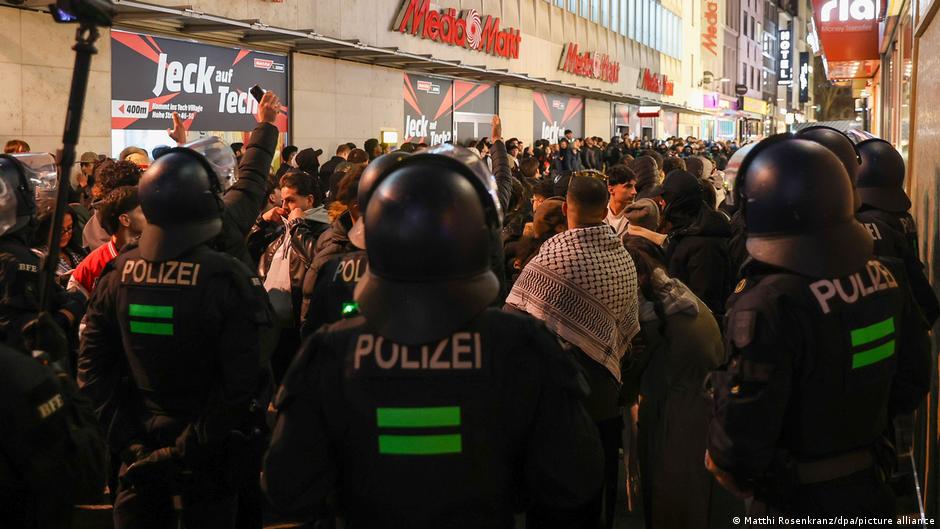
Youth demonstrations across Germany’s largest cities escalated into disorder on Saturday, October 31, creating immediate security and operational challenges for retailers and other businesses in major commercial districts. Organized by the Gen-Z regelt movement, or “Generation Z Decides,” the protests took place in more than 30 cities and attracted more than 100,000 participants, according to organizers.
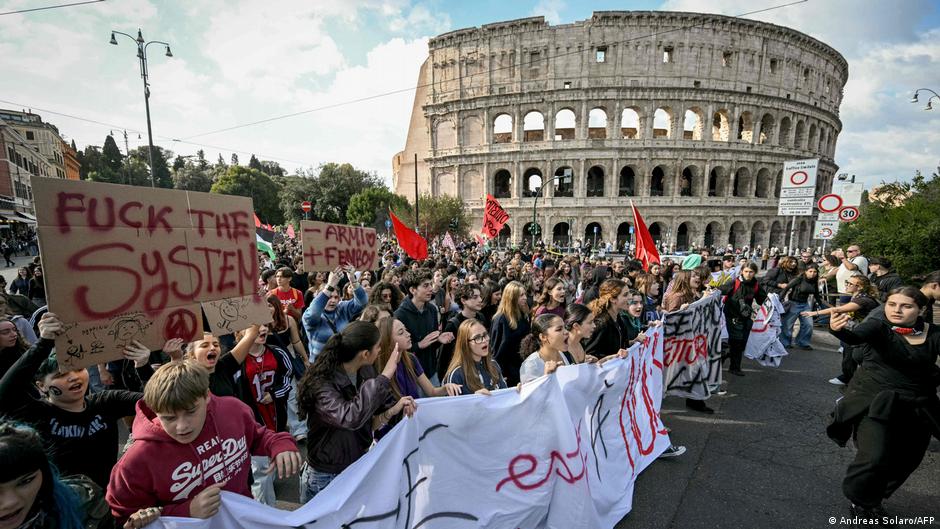
The movement’s demands combine economic, social and environmental concerns. Protesters are calling for better education, measures to address the rising cost of living, stronger climate protection, easier access to psychotherapy and addiction treatment, and opposition to both compulsory military service and cuts in social spending. For corporate leaders, the breadth of that agenda suggests that youth discontent is becoming a wider stakeholder issue rather than a narrowly defined political campaign.
Frankfurt retailers caught in the escalation
Frankfurt am Main saw the most serious disruption. Demonstrations involving between 8,000 and 9,000 people began peacefully but later developed into looting and attacks on police, including the use of Molotov cocktails. Some protesters smashed shop windows and entered a gun store as well as a branch of clothing and sneaker retailer Snipes.
Authorities recovered two weapons from those who attacked the gun store. The incident underlines the heightened exposure of street-facing businesses when large demonstrations move through central retail areas, particularly where valuable or regulated merchandise is held on the premises.
Hesse Interior Minister Roman Poseck said the disorder was driven by “around 100 violence-prone left-wing extremists” who had joined the demonstrators. Police checked the identities of roughly the same number of people and detained more than 30.
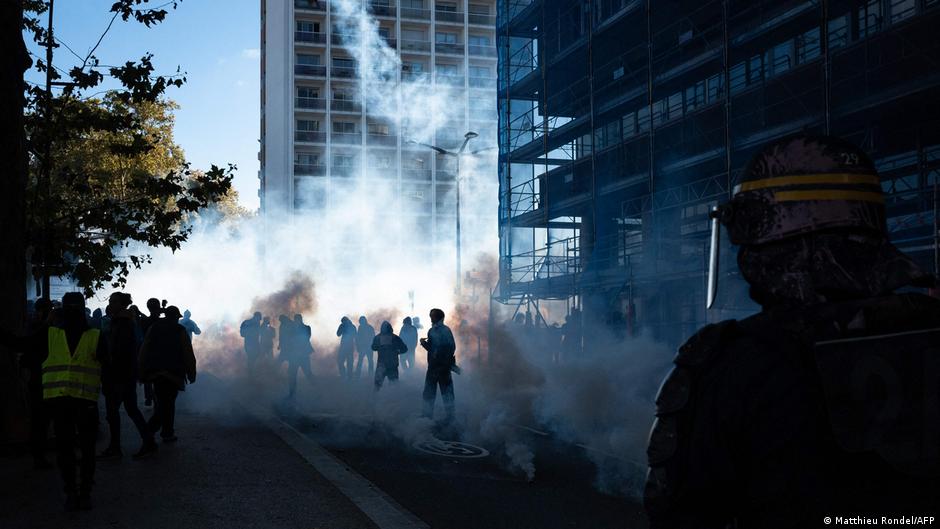
By late evening, police had brought the unrest under control using water cannons, armored police vehicles, a helicopter and drones. Parts of the city center were closed, adding mobility and access restrictions to the direct property damage suffered by retailers.
“We will thoroughly analyze the actions of the aggressors, the composition of the groups of offenders and the course of events, and then draw the appropriate conclusions,” Hesse Premier Boris Rhein said.
Rhein also said that people who behaved like the offenders in central Frankfurt had placed themselves outside society. The promised review could influence future policing strategies, demonstration controls and security planning in commercial districts.
Disruption spreads across Germany’s urban markets
In Berlin, one of two major demonstrations descended into disorder. The event drew about 3,500 people, predominantly members of far-left groups. Some participants threw firecrackers and bottles toward police and launched fireworks. Authorities also reported property damage and violations of weapons legislation.
Police detained 56 people, while 27 officers sustained minor injuries. Although the account did not identify particular companies affected in Berlin, the combination of property damage, arrests and police injuries raises the prospect of tighter controls around future gatherings, with consequences for store access, staffing and deliveries.
In Cologne, law enforcement prohibited a planned march and allowed only a stationary protest. Police cited masks worn by some demonstrators and the use of pyrotechnics, including devices thrown at officers. Water cannons were deployed at the end of the event.
Further disturbances were reported in Hamburg, where some protesters erected and set fire to barricades and threw bottles and stones at police. Protests ended in similar fashion in Stuttgart and Bremen. Taken together, the incidents show that the disruption was not confined to one city or one local policing failure, complicating risk management for companies operating national networks of urban stores, offices or logistics routes.
A broader European risk environment
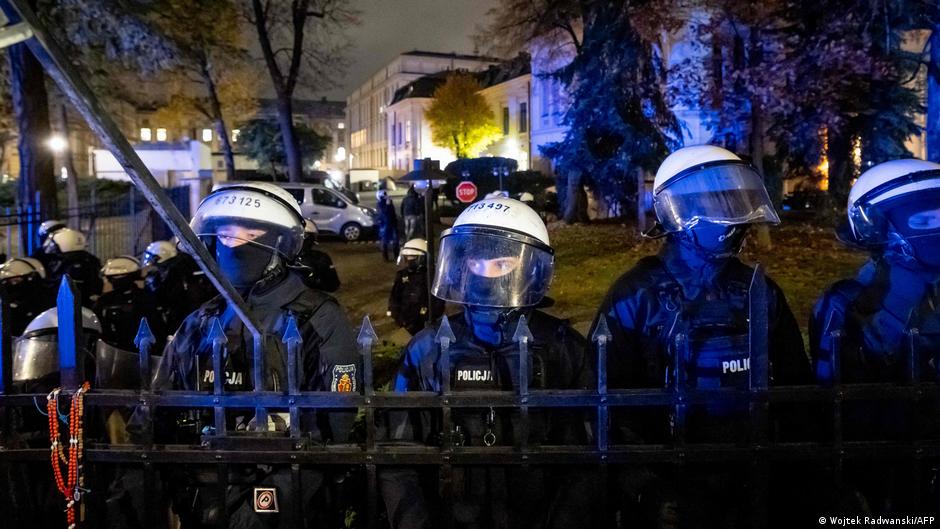
The German demonstrations were part of a recent wave of youth protests across Europe. In France, gatherings in several cities also developed into vandalism and clashes with police, while Belgium has experienced related demonstrations.
Italy is facing similarly severe pressure. Organizers said more than one million people joined protests there on October 30. After serious rioting in Milan, Italian authorities ordered the deployment of 500 military personnel to help maintain order.
For management teams, the immediate priorities are business continuity, employee safety and physical security. The violence also creates longer-term strategic questions about how companies respond to the economic concerns motivating younger consumers and workers. Rising living costs, social-service pressures and climate policy all affect purchasing power, recruitment, workforce expectations and corporate positioning.
The protests do not point to a single corporate response, and the violence was attributed by officials to relatively small groups within much larger demonstrations. Nevertheless, repeated unrest across European commercial centers may require businesses to reassess contingency plans, insurance exposure and coordination with landlords and local authorities. Companies with concentrated city-center footprints face the clearest operational risk, while brands seeking loyalty from Generation Z must distinguish between the movement’s underlying demands and the actions of violent participants.