Italy Protests Put Cost Pressures and Defense Spending in Focus
A nationwide strike and protests across more than 60 cities highlight mounting pressure over housing, fuel costs and public spending priorities.
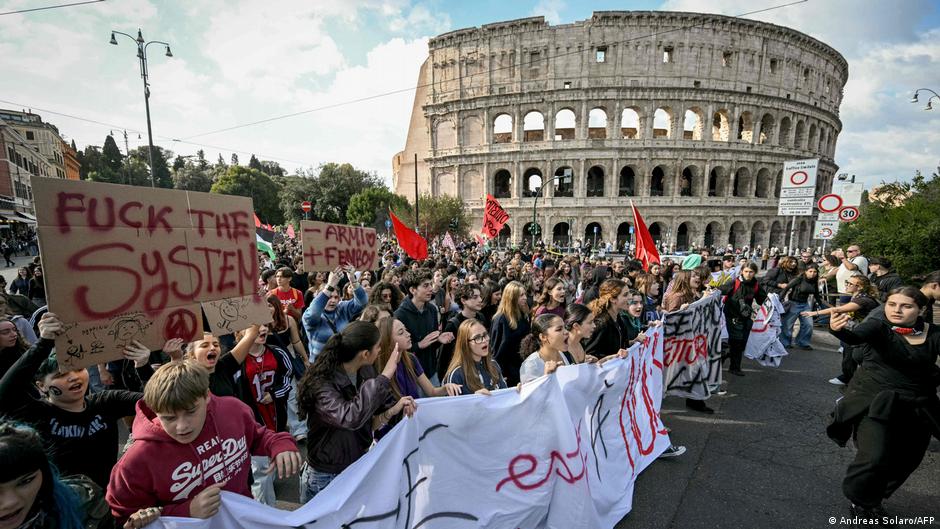
Mass protests across Italy have brought the rising cost of living and higher military expenditure into sharper focus, creating a visible challenge for policymakers and a new source of uncertainty for businesses operating in the country.
Hundreds of thousands of people took part in demonstrations on October 30, alongside a nationwide 24-hour general strike. The protests were held in more than 60 cities and were organized by the Unione Sindacale di Base, or USB, according to the national news agency ANSA.
Participation estimates differed substantially. USB said between 1 million and 1.5 million people joined the demonstrations, while Italy’s Interior Ministry put attendance at 255,000. Although the figures are far apart, both accounts point to a significant nationwide mobilization centered on household finances and government spending decisions.
Household costs become a business risk
Demonstrators focused in particular on higher apartment rents and rising fuel prices. One of the slogans used during the protests was:
“We need more housing, not more bombs.”
The message links pressure on household budgets with opposition to increased military spending. From a business perspective, that combination matters because it places corporate decisions on wages, staffing, pricing and workplace arrangements within a broader debate over purchasing power. Companies must compete for workers whose disposable incomes are being squeezed by housing and transport costs, while consumer-facing businesses operate in a market where customers may be increasingly sensitive to price increases.
The general strike also illustrated the operational dimension of the dispute. A coordinated 24-hour stoppage can affect transport, employee availability and commercial activity even when demonstrations remain peaceful. For management teams, the protests underline the need to assess labor relations and continuity planning alongside more conventional concerns such as demand, margins and financing.
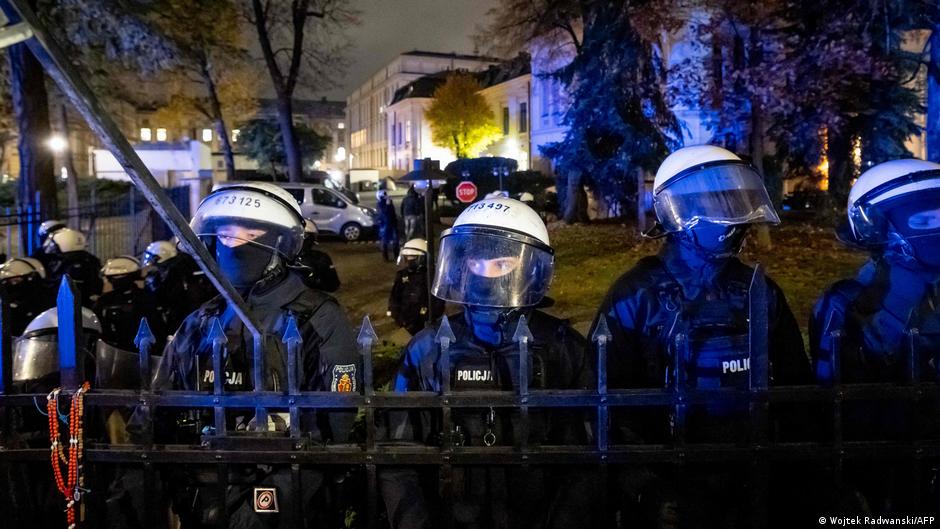
The demonstrations were largely peaceful in cities across Italy, ANSA reported, with exceptions in Rome and Turin. In those cities, some protesters began setting fire to rubbish bins and throwing objects at police officers toward the evening. Law enforcement responded with tear gas and water cannon.
Interior Minister Matteo Piantedosi defended the authorities’ handling of the unrest in a post on the social network X.
“The measures taken were balanced and effective: this is precisely what made it possible to protect one of citizens’ fundamental rights — the right to peaceful demonstrations — despite attempts by certain individuals to provoke disorder and violence.”
For companies with operations, offices or retail locations in major urban centers, the distinction between broadly peaceful mobilization and localized disorder is important. The events in Rome and Turin show how quickly conditions can change around large demonstrations, while the nationwide character of the protest indicates that concerns about living costs are not confined to a single city or region.
A widening European competitive issue
Italy’s October 30 protests formed part of a wave of demonstrations that has spread through other European countries in recent weeks. France has seen protests in several cities develop into riots and clashes with police, while Belgium has also experienced demonstrations.
The cross-border pattern makes the issue relevant to corporate strategy across Europe. Businesses comparing investment locations, managing regional supply chains or allocating personnel must consider not only national economic conditions but also differences in labor stability and public reaction to government spending priorities. The demonstrations do not establish a uniform European trend, but they show that cost-of-living pressure and military expenditure are becoming connected political and social concerns in several markets.
Germany is set to become the next focal point. Similar protests are scheduled for October 31 in more than 30 German cities. The demonstrations have been promoted by the Gen-Z regelt movement, whose name translates as “Generation Z decides.”
Tens of thousands of participants, predominantly young people, are expected to attend. Their concerns include the rising cost of living and the potential return of military conscription. Demonstrators are also expected to call for increased spending on education. Experts believe the German protests will proceed largely without disorder.
The German agenda adds a workforce and talent dimension to the wider debate. Younger participants are connecting living expenses, education funding and possible military obligations, all of which touch on the environment in which employers recruit and retain staff. For business leaders, the immediate challenge is operational readiness around strikes and demonstrations. The longer-term strategic question is how companies respond when household affordability, labor expectations and national budget priorities increasingly shape the competitive landscape.