Polish Tribunal Power Struggle Deepens Institutional and Business Risk
A leadership dispute at Poland’s Constitutional Tribunal has escalated into a wider confrontation over legal authority and political control.
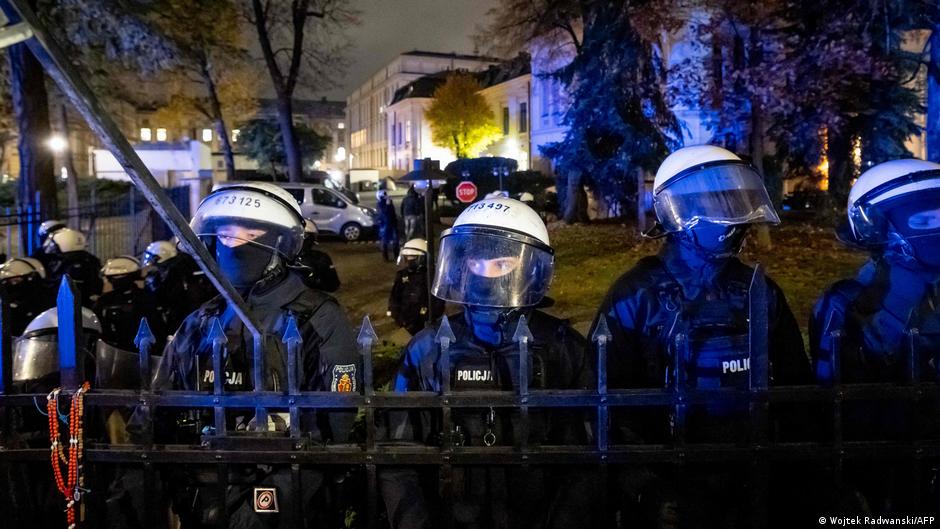
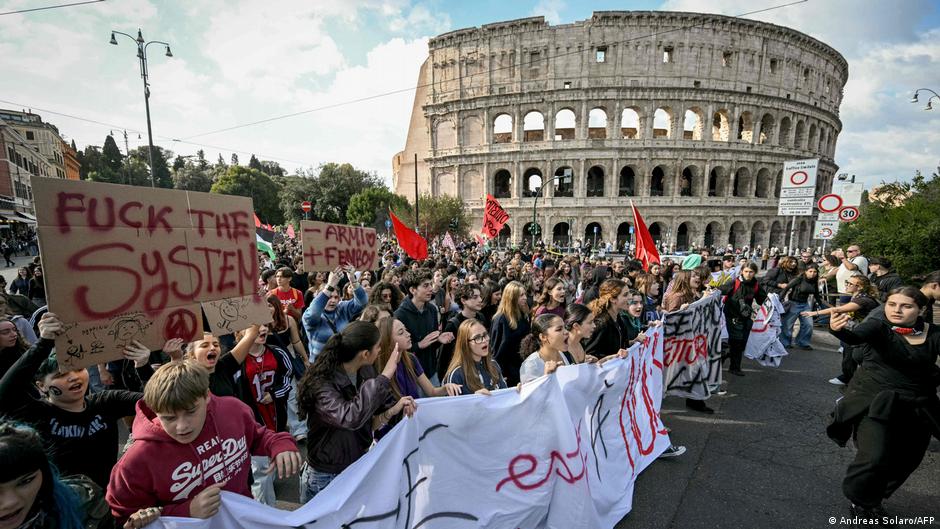
Poland’s prolonged constitutional conflict entered a more disruptive phase after Constitutional Tribunal judge Anna Korwin-Piotrowska announced the temporary suspension of the institution’s chairman, Bogdan Święczkowski, and deputy chairman, Bartłomiej Sochański. Police cordoned off the tribunal’s Warsaw headquarters as demonstrators gathered outside, while President Karol Nawrocki abandoned a planned trip to Senegal and returned to Poland.
The confrontation is formally about who controls the tribunal and which judges may hear cases. For companies and investors, however, it also raises a broader strategic concern: whether Poland’s institutions can provide predictable rulings when the government, presidency and senior judges dispute one another’s legitimacy.
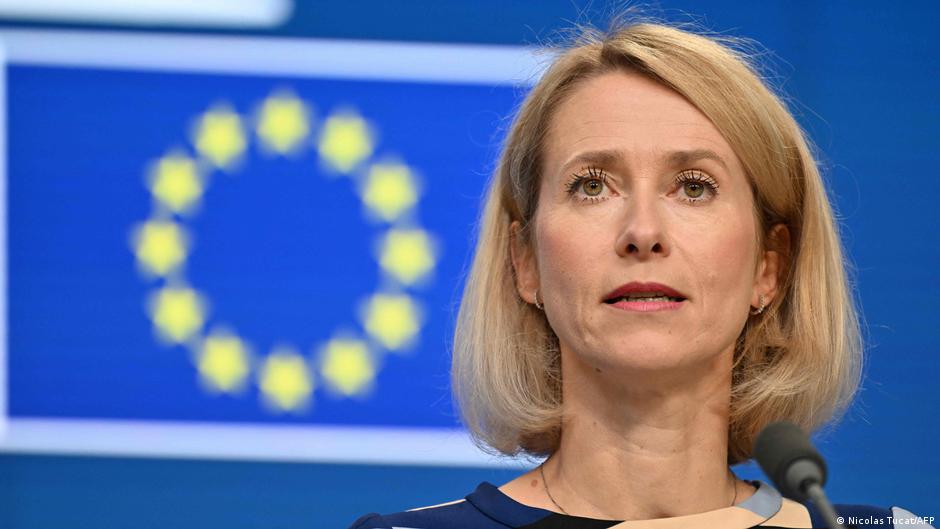
Korwin-Piotrowska, one of the tribunal’s 15 judges, suspended Święczkowski and Sochański for one month in a decision published on the tribunal’s website on Friday evening, October 30. The document accused the two leaders, among other things, of preventing judges elected by the Sejm in 2026 and subsequently sworn in from participating in cases.
She based her authority on a 2016 law governing the tribunal’s organization and procedures, which she said allowed the longest-serving judge to take such action. She also called a general assembly of tribunal judges for November 3.
Competing Claims Expose a Governance Breakdown
The tribunal’s account on X presented a completely different version of events, alleging an “illegal seizure” of the institution’s website. The post said Święczkowski remained chairman and Sochański remained his deputy, while asserting that Korwin-Piotrowska was not a Constitutional Tribunal judge. It characterized the actions as a criminal “coup.” The tribunal’s website, in turn, stated that the X account was not connected to the institution.
The contradictory communications resemble a severe corporate governance breakdown, but with national legal authority at stake. Rival groups are claiming control of official communication channels, rejecting each other’s appointments and disputing who has the power to convene the body. Until those questions are resolved, parties awaiting constitutional decisions face uncertainty over whether judgments will be recognized and enforced.
“I have no idea what this is about. Ms. Anna Korwin-Piotrowska called me and said that she now heads the tribunal. I know nothing more,” Sochański said.
Sochański described the development as unprecedented. He said he had never heard of any complaints against him, knew of no one authorized to suspend him and was unaware of any legal provision permitting such interference in the independence of the tribunal or an individual judge. He also called the events a coup.
Prime Minister Donald Tusk supported the temporary removal of the tribunal’s leadership. Tusk and the Sejm are politically opposed to Nawrocki, who is associated with the Law and Justice party, or PiS. The prime minister said restoring the rule of law after years of unlawfulness under PiS was a difficult and sometimes painful process requiring decisive action.
Political Escalation Raises Execution Risks
Nawrocki said he ordered his aircraft to turn around while traveling to Senegal on October 30. After returning, he met Święczkowski and Supreme Court First President Zbigniew Kapiński. Nawrocki and Kapiński then entered the tribunal building, according to presidential chief of staff Paweł Szefernaker.
Korwin-Piotrowska had indicated that she was prepared to meet Nawrocki only at the Presidential Palace. Maciej Berek, a tribunal judge elected by the Sejm but prevented by Nawrocki from taking the oath, said the president had chosen “physical confrontation” by attempting to enter the building. He also alleged that people identifying themselves as presidential staff had attempted to obtain keys to tribunal rooms.
Warsaw police said Prosecutor General and Justice Minister Waldemar Żurek asked officers to pay particular attention to security around the tribunal during the demonstrations. Police also received a letter from one tribunal judge reporting a potential threat to life and health.
Officers consequently cordoned off the building but said they were not stationed inside. Police reported that protesters threw dangerous objects at officers. Three demonstrators were detained after climbing over a barrier and entering the tribunal grounds.
Implications for Poland’s Competitive Position
The dispute has been developing for months. Nawrocki refused to administer the oath to new judges elected by the current parliament, while Święczkowski declined to recognize their authority or allow them to participate in cases. The government considers the tribunal illegitimate because it still includes judges elected under the previous authorities. The governing coalition and judges aligned with its position say Nawrocki is unlawfully obstructing the institution’s work.
The immediate commercial impact is not quantified, but the strategic risk is clear. Constitutional courts can influence regulation, ownership rights, taxation, public procurement and the boundaries of executive authority. If rival political camps do not recognize the same judges or leadership, businesses may find it harder to assess the durability of legislation and the finality of legal decisions.
The crisis also presents a management challenge for international companies operating in Poland. Boards may need to monitor constitutional litigation more closely, incorporate institutional instability into compliance planning and test investment assumptions against competing legal outcomes. Poland’s competitive position depends not only on market fundamentals but also on confidence that disputes will be resolved through institutions whose authority is broadly accepted.
Pressure on the tribunal’s leadership increased further on October 30, when Żurek announced that he had submitted five requests to lift immunity. He said the applications concerned, among others, Święczkowski and Sochański. Those proceedings add another layer of legal and personal exposure to a struggle already involving control of the tribunal, rival claims of legitimacy and street protests.