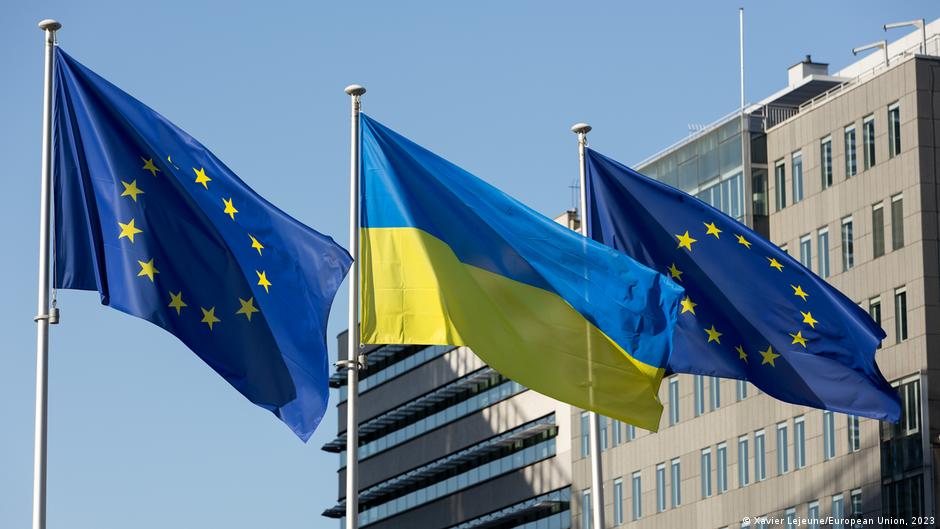
EU Agrees to Open Key Accession Clusters for Ukraine and Moldova
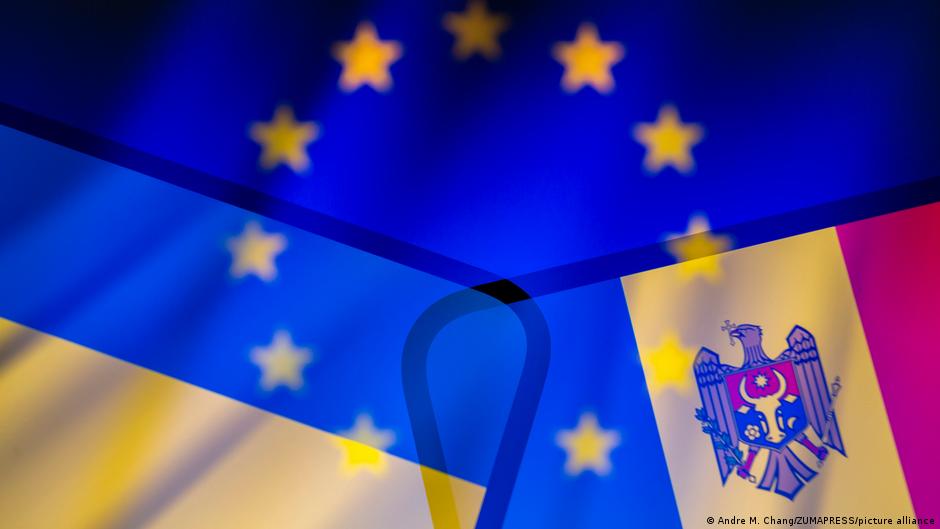
EU states agreed to open internal market and competitiveness accession clusters for Ukraine and Moldova after Kyiv addressed Hungary’s concerns.

EU states agreed to open internal market and competitiveness accession clusters for Ukraine and Moldova after Kyiv addressed Hungary’s concerns.

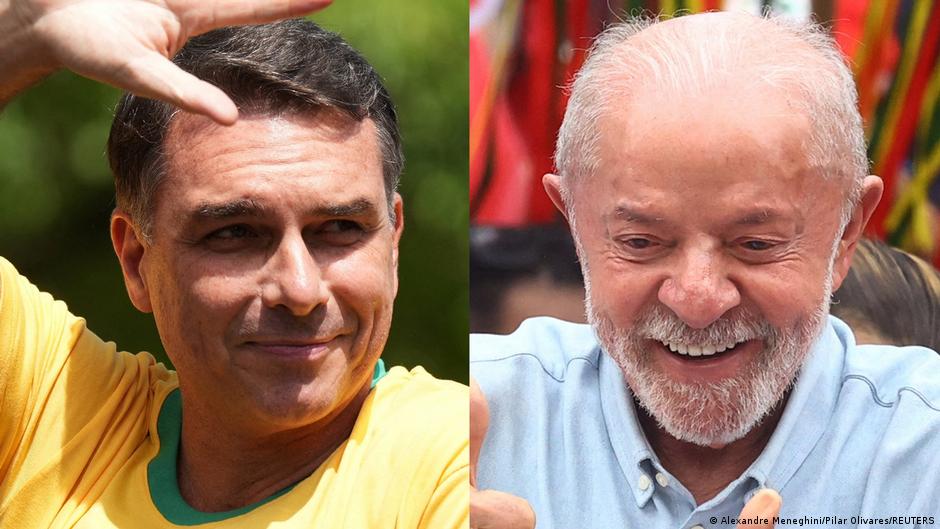
Flávio Bolsonaro leads Brazil’s first-round presidential vote, setting up an October 25 runoff with Lula and raising business risk questions.

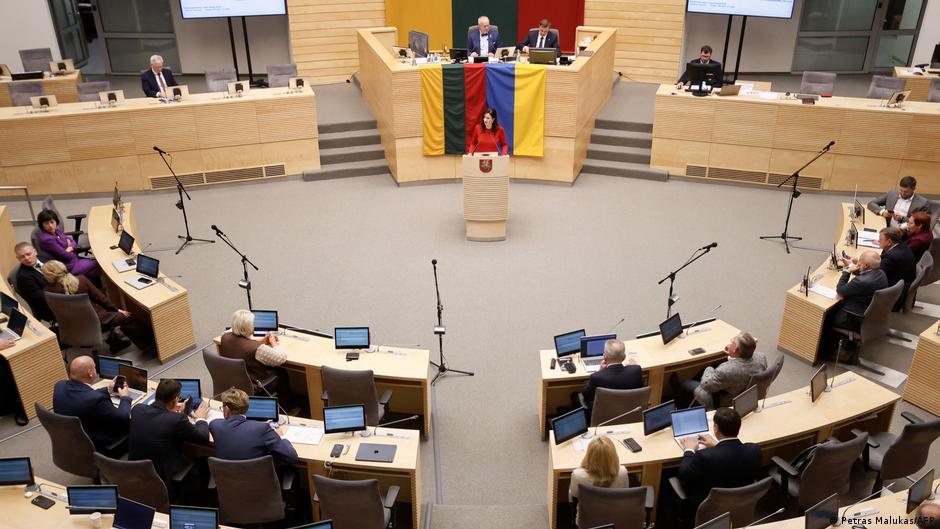
Lithuania’s proposed property curbs would limit Russian and Belarusian purchases near strategic sites, expanding security-driven market rules.

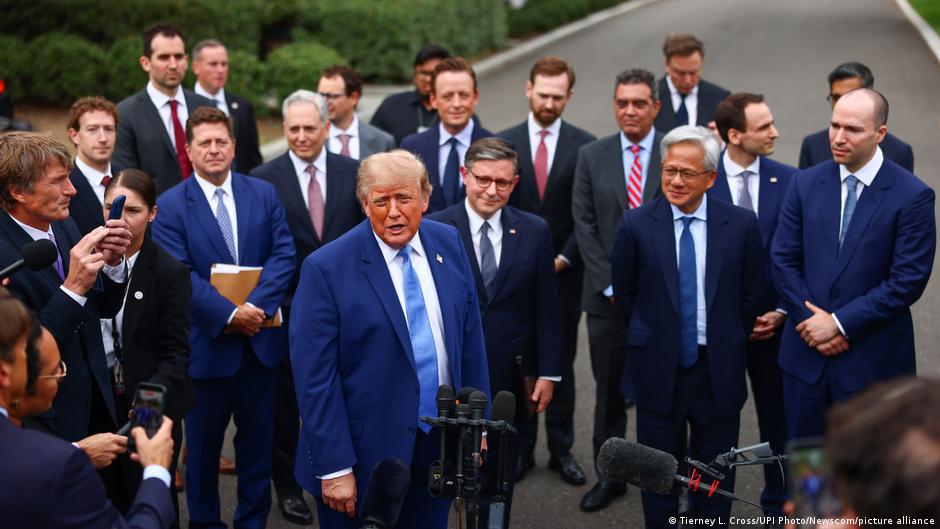
Trump’s AI accord gives major technology companies a central role in oversight while preserving room for future regulation.

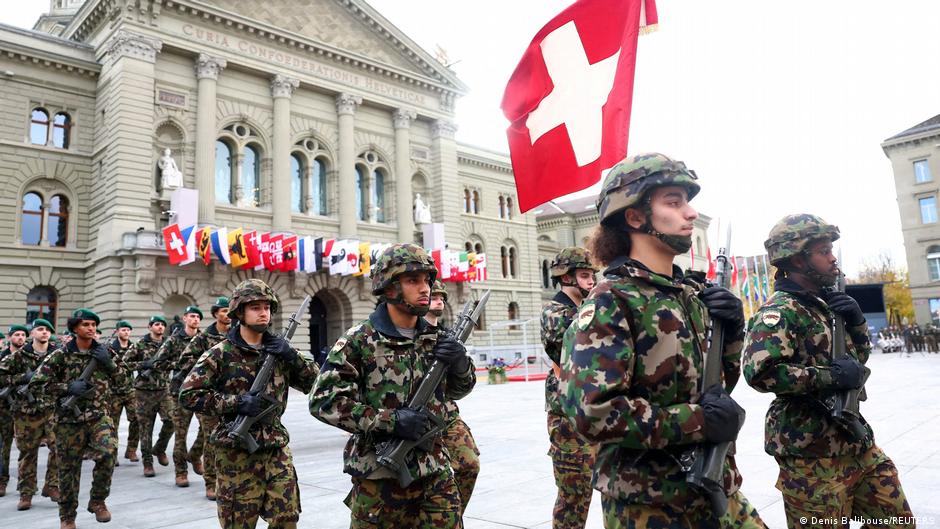
Swiss voters rejected a neutrality initiative that would have sharply limited sanctions policy and constrained Bern’s strategic flexibility.

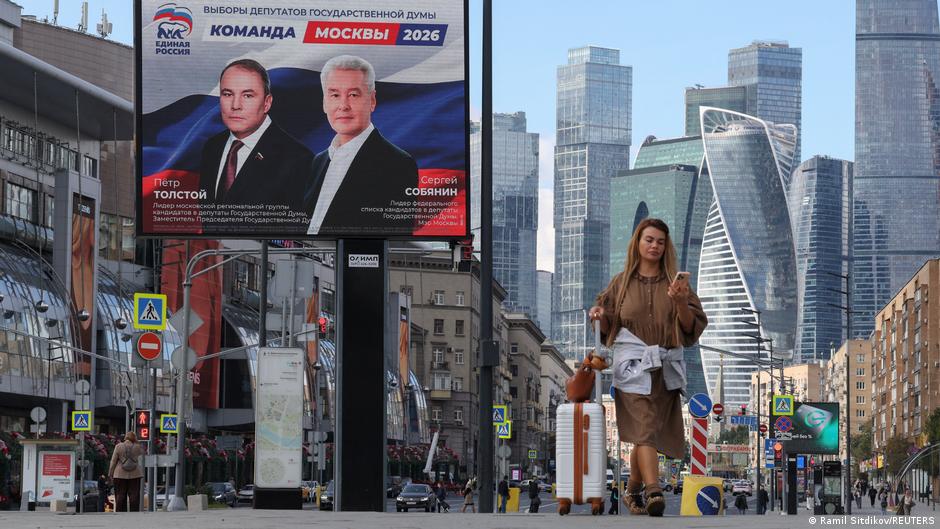
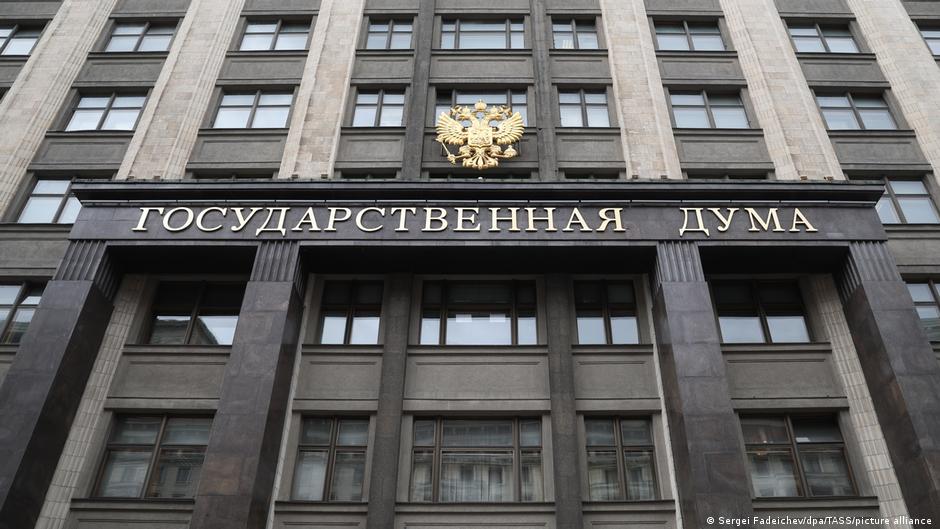
United Russia leads Russia’s Duma vote count with 57.76%, positioning the ruling party for a constitutional majority.

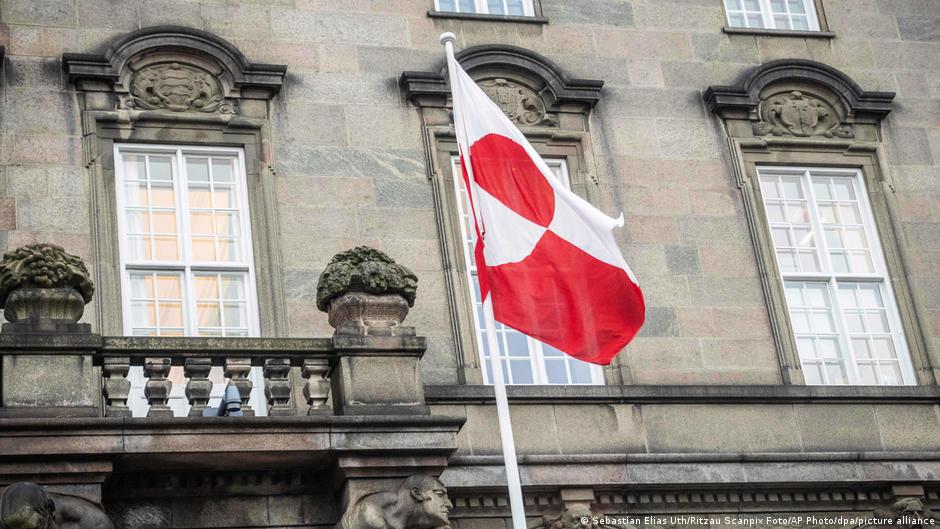
The announced Greenland deal could give Washington lasting Arctic security influence while leaving sovereignty with Denmark and Greenland.

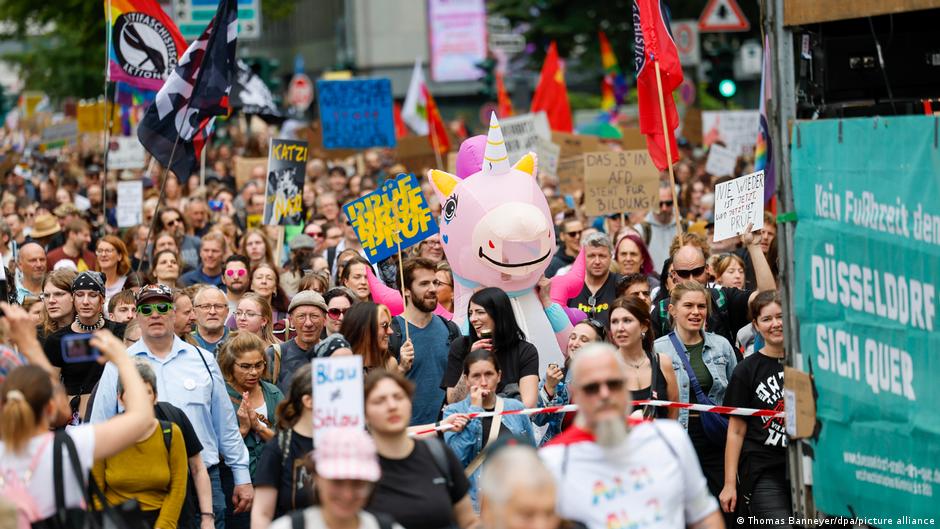
Mass protests across Germany after AfD gains point to rising political risk for companies, investors and regional business planning.

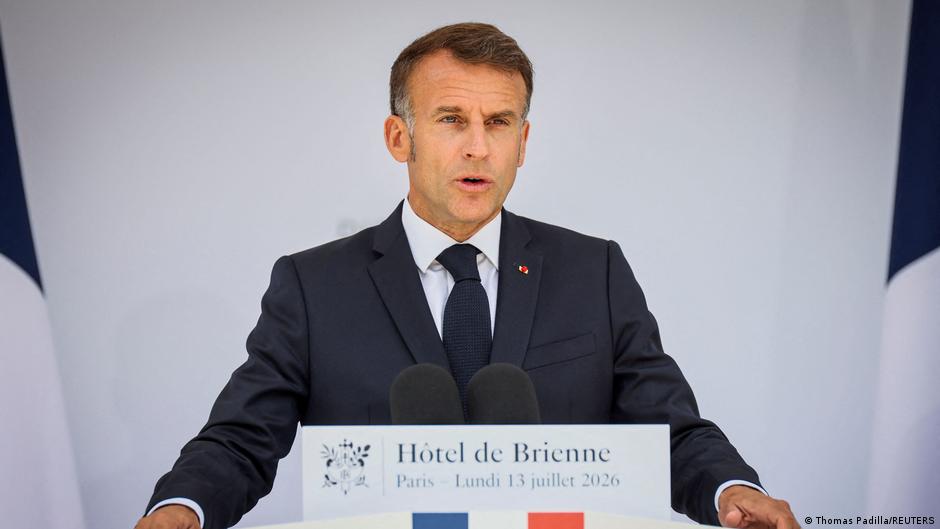
Macron is seeking an EU-wide under-15 social media ban after France’s Constitutional Council blocked a national measure.

AfD’s projected win in Saxony-Anhalt drew sharp reactions from Poland, Czechia and France, raising questions over coalition strategy in Europe.

Russia permits individuals with limb amputations to drive buses and trucks, reflecting strategic moves to enhance workforce inclusion and leverage automation in public transport.

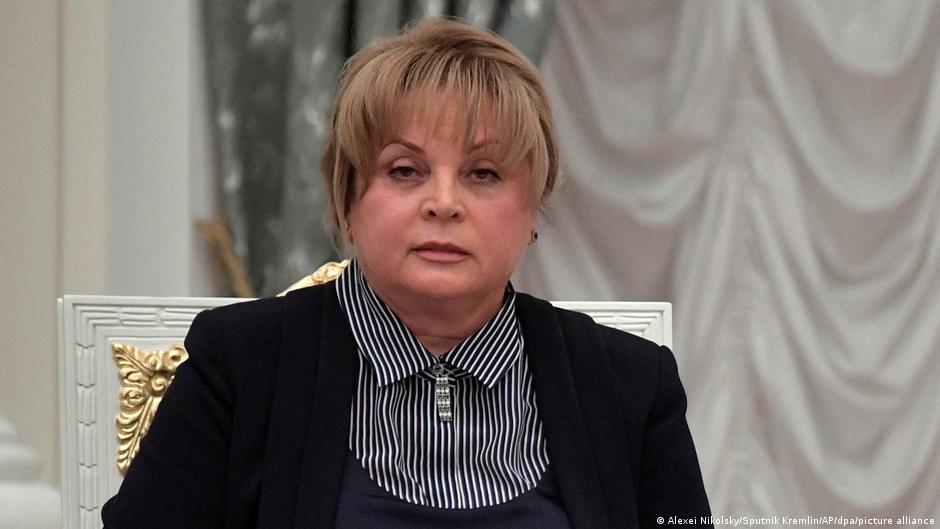
Russia’s election chief advocates stripping emigrated citizens labeled as foreign agents of their voting rights, underscoring tightening electoral controls amid geopolitical tensions.

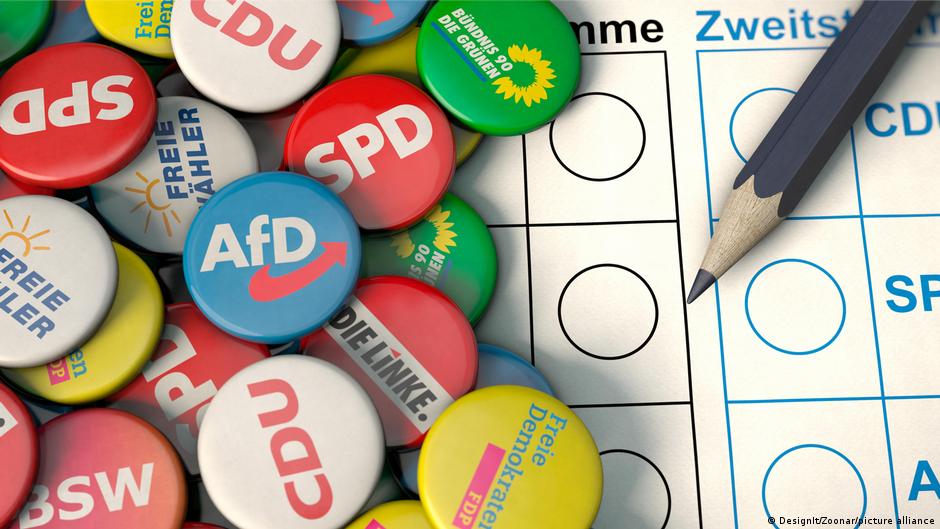
Germany’s conservative CDU/CSU block falls to 20% support, while far-right AfD leads at 28%, signaling strategic shifts ahead of regional elections.

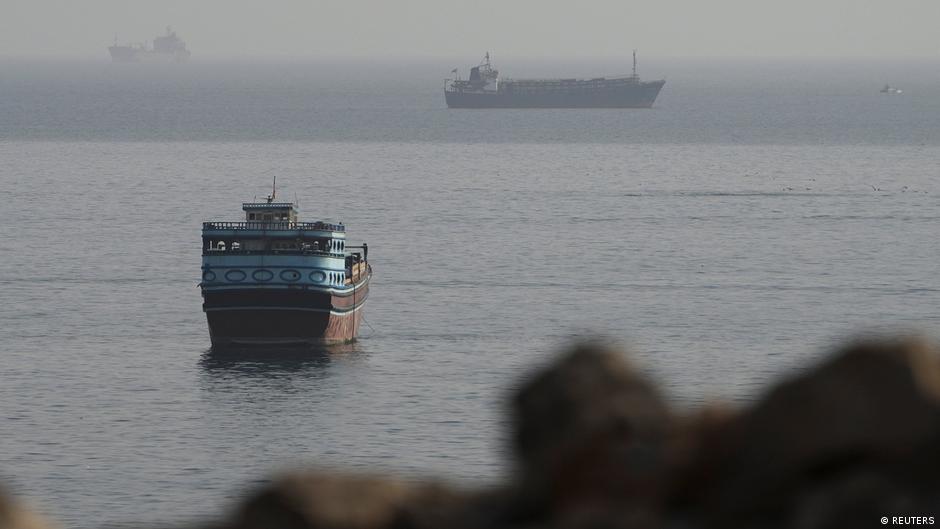
The US disabled the steering of a Panamanian container ship attempting to breach Iran’s blockade, reinforcing control over the Strait of Hormuz and signaling risks for maritime trade.

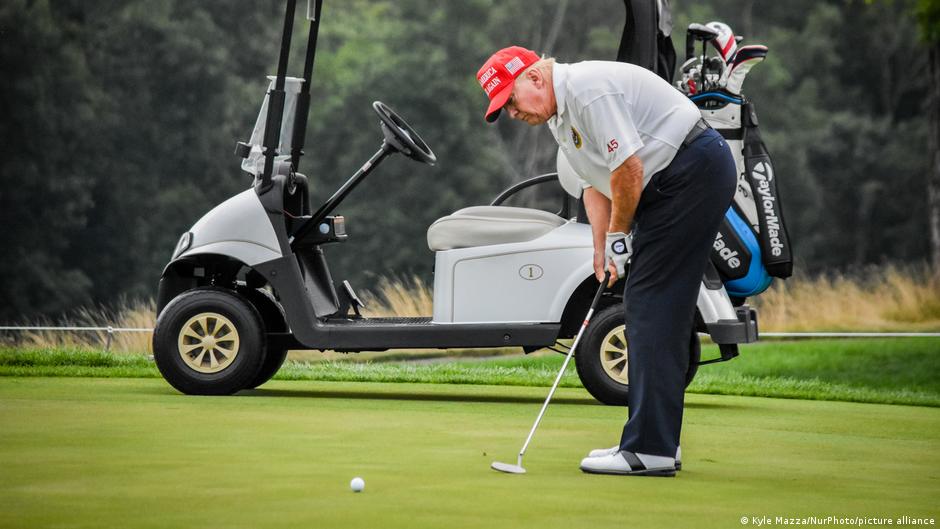
NORAD F-16 fighters intercepted two civilian aircraft violating temporary flight restrictions over Donald Trump's New Jersey golf club, ensuring secure airspace management.

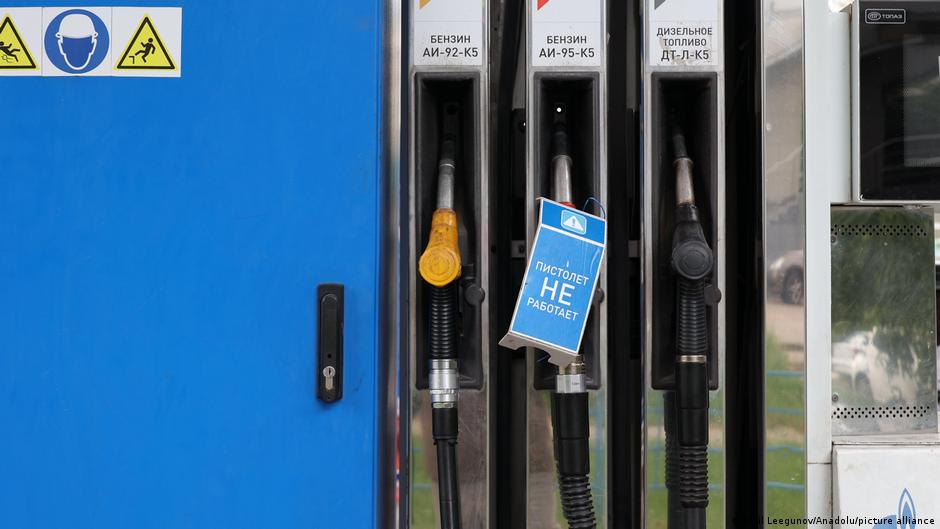
Russia authorizes sale of lower-grade Euro-2 to Euro-4 fuels until mid-2027, responding to refinery disruptions with a temporary, crisis-driven policy shift.

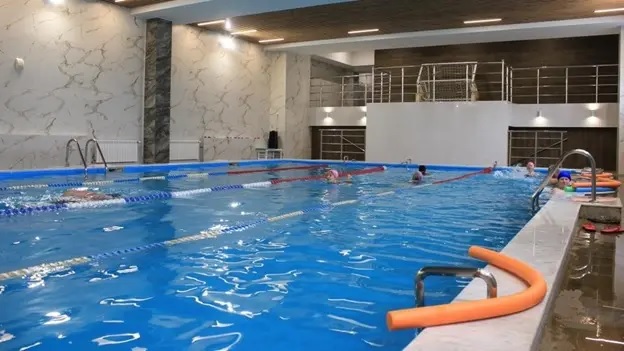
Uzbekistan offers subsidies covering up to 50% of costs for entrepreneurs building modern swimming pools, aiming to boost tourism, sports infrastructure, and regional economic growth.

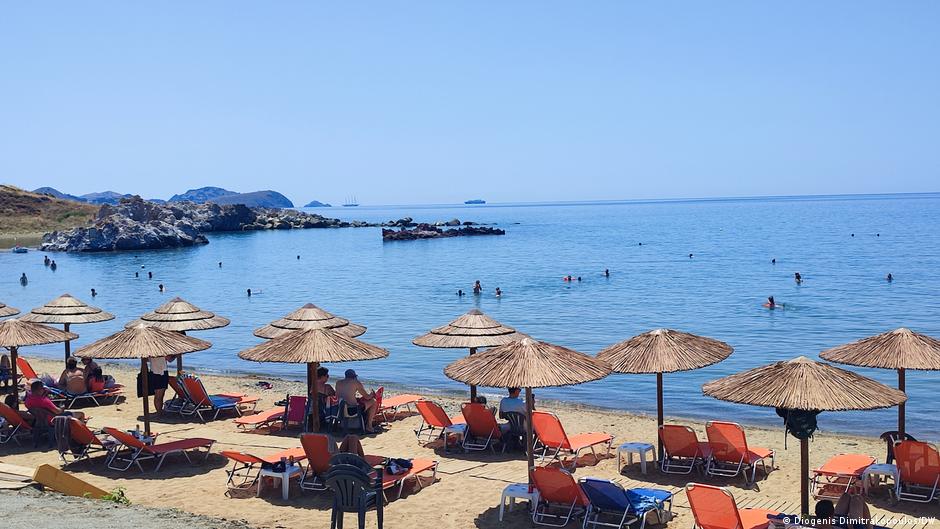
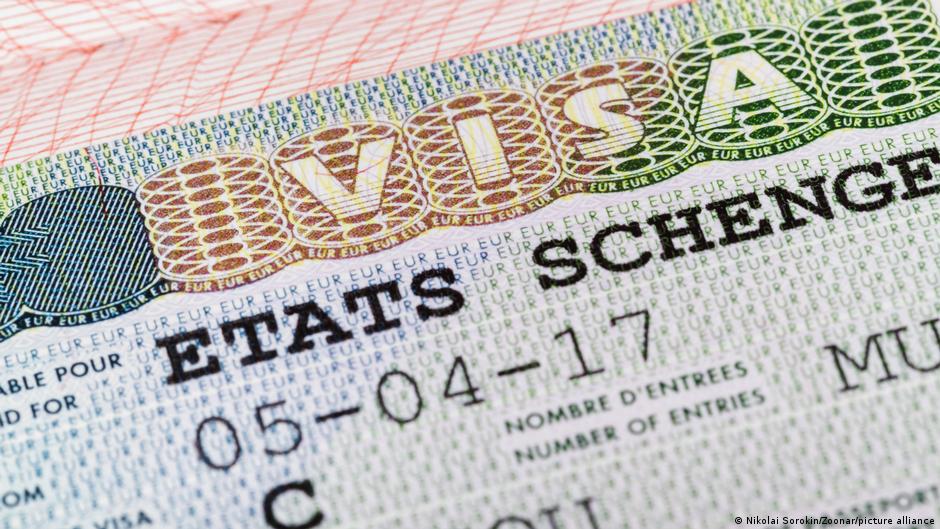
Greece has sharply increased Schengen visa refusals for Russian applicants, with rejection rates up to 70%, disrupting Russian tourism amid new EU security regulations.

The Russian State Duma has amended tax laws to refine the fuel dampener system and import compensation, aiming to stabilize domestic fuel prices and supplies amid sector disruptions.

France joins Italy, Spain, and Hungary in tightening Schengen visa rules for Russian citizens, requiring in-person applications and biometric data to address security concerns.

Abelardo de la Espriella’s electoral victory in Colombia signals a shift toward deregulation and militarized security policies, backed by U.S. right-wing support and promising closer bilateral cooperation.

The EU has commenced detailed accession talks with Ukraine and Moldova, moving from preliminary stages to evaluating compliance with EU standards across key sectors.

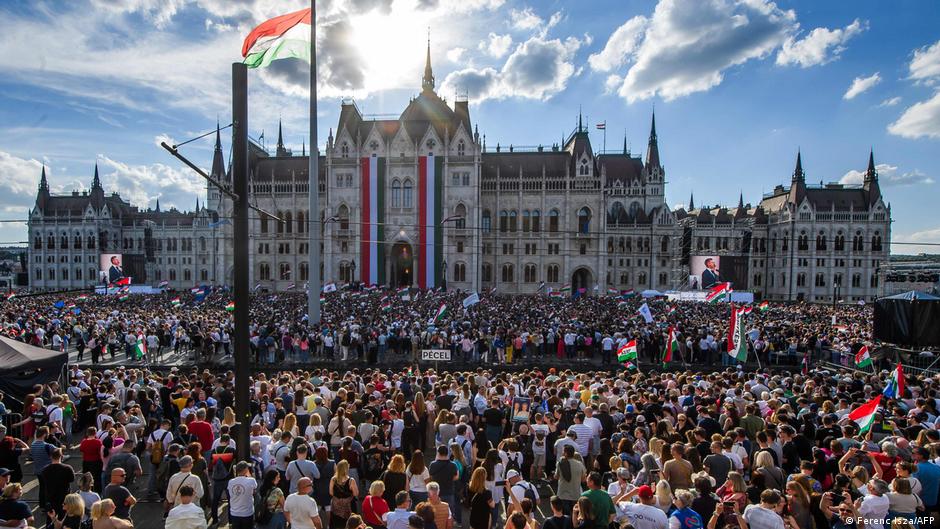
Hungary limits prime ministerial terms to two four-year periods, preventing Viktor Orban's return and signaling strategic shifts in the political and business landscape.

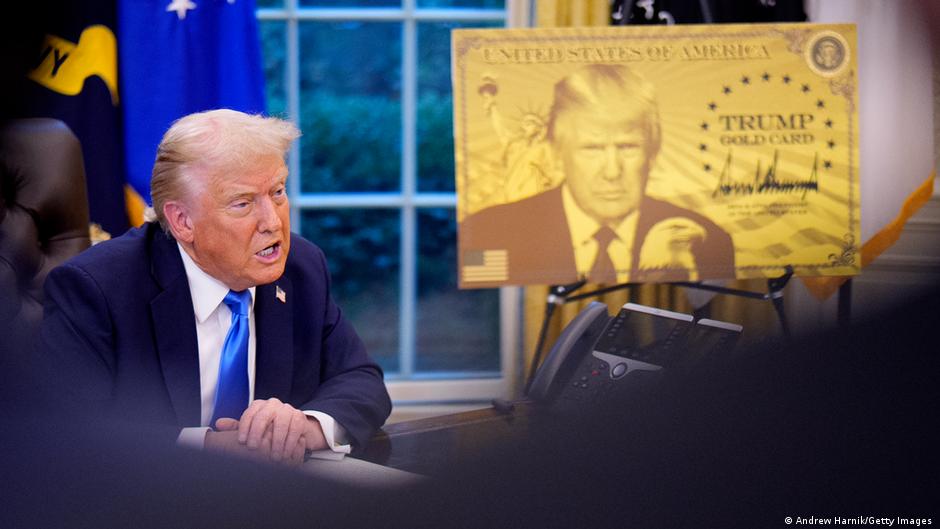
A U.S. federal court invalidated the Trump administration’s $100,000 H-1B visa fee, ruling it an unauthorized tax and impacting tech firms' talent acquisition strategies.

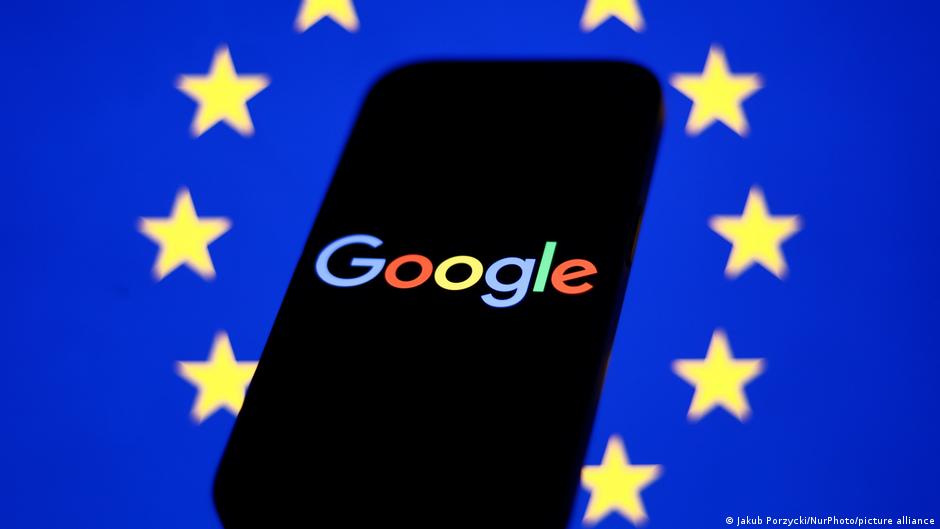
The EU plans to restrict US tech giants like Microsoft and Google from public cloud contracts in strategic sectors to enhance technological independence.

Russia's elite warn Putin against harsh internet restrictions due to economic losses and public dissatisfaction amid rising digital controls and social strains.

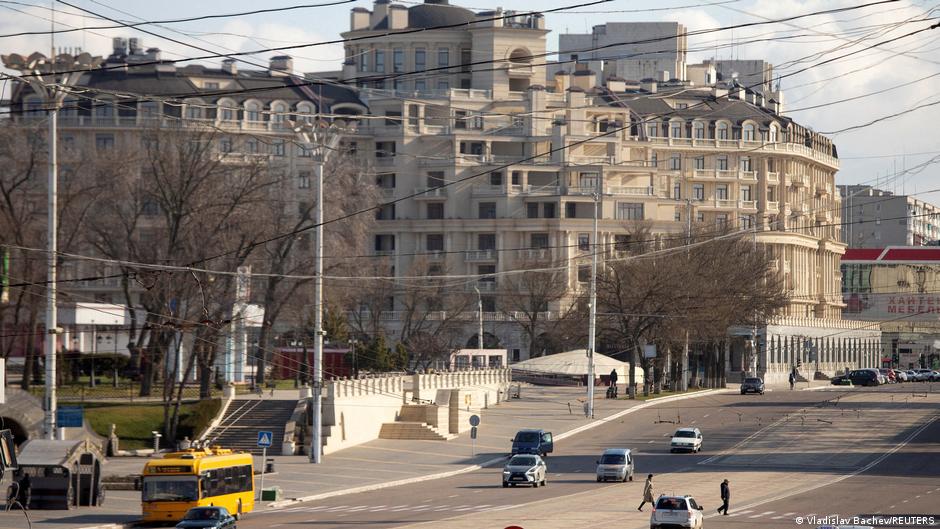
Russian President Vladimir Putin simplifies citizenship for Transnistria residents, removing language and history exam requirements, impacting the region's geopolitical and business landscape.

Nicolas Sarkozy has been granted early parole in the 2012 campaign finance overspending case, amid multiple convictions affecting his legal and political future.

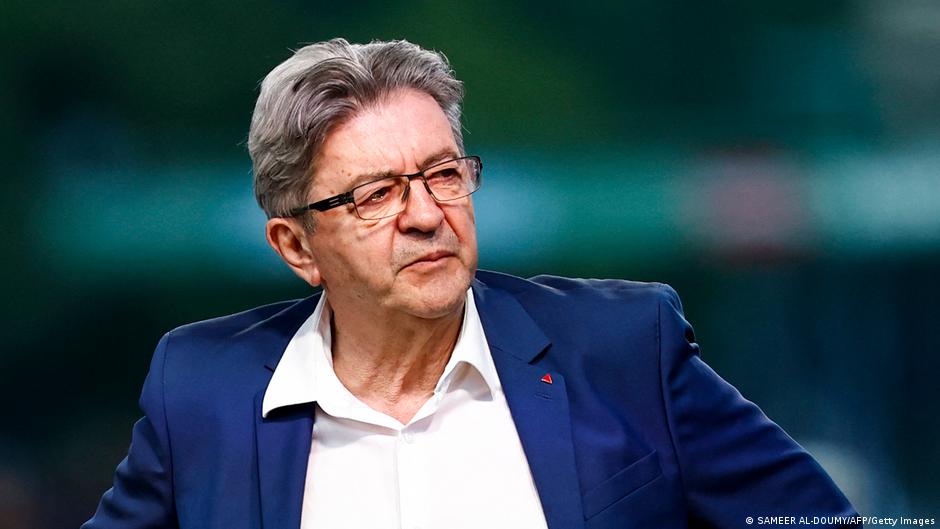
Jean-Luc Mélenchon has confirmed his candidacy for France's 2027 presidential election, setting the stage for a pivotal left-right political contest in a post-Macron era.

The EU and Mercosur provisionally launch a free trade agreement unlocking new market opportunities while facing legal, environmental, and political challenges.

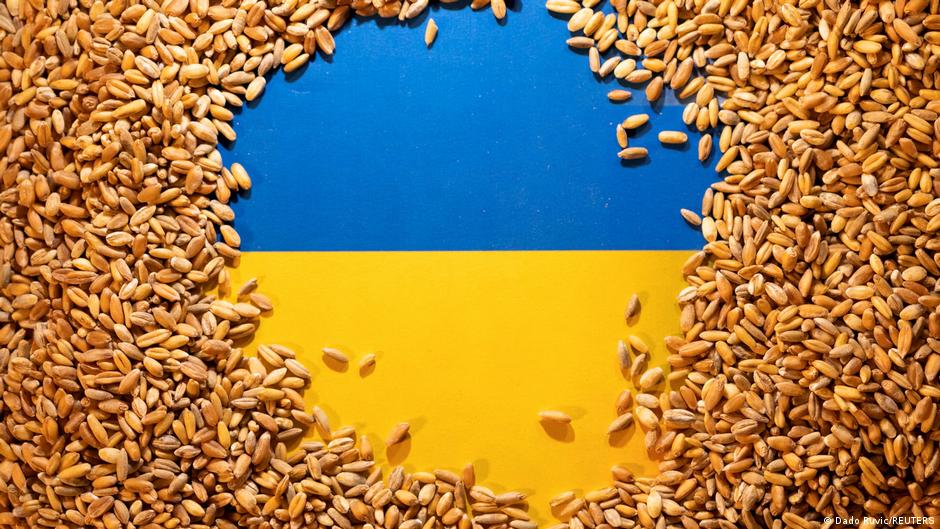
Israel denies receiving evidence from Ukraine concerning stolen grain on a Russian ship docked at Haifa, highlighting diplomatic and trade tensions.

Hungarian PM Péter Madyar will negotiate with the EU to unlock over €35 billion in funds frozen due to compliance issues under the previous government.

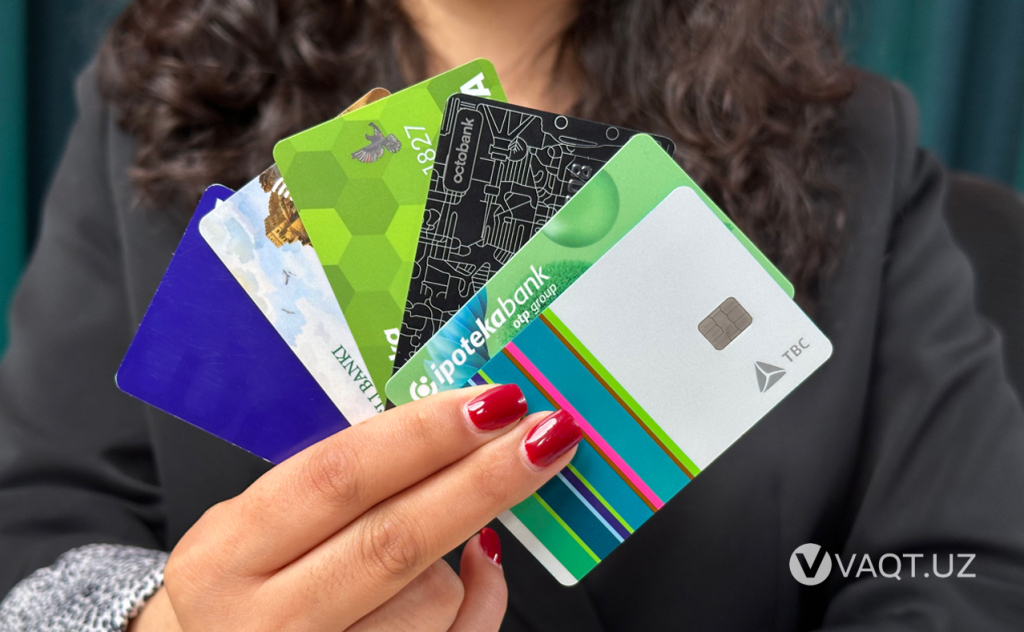
Uzbek banks must now retain a minimum balance of 1.236 million UZS on client cards during automatic debt repayments, preventing complete fund depletion.

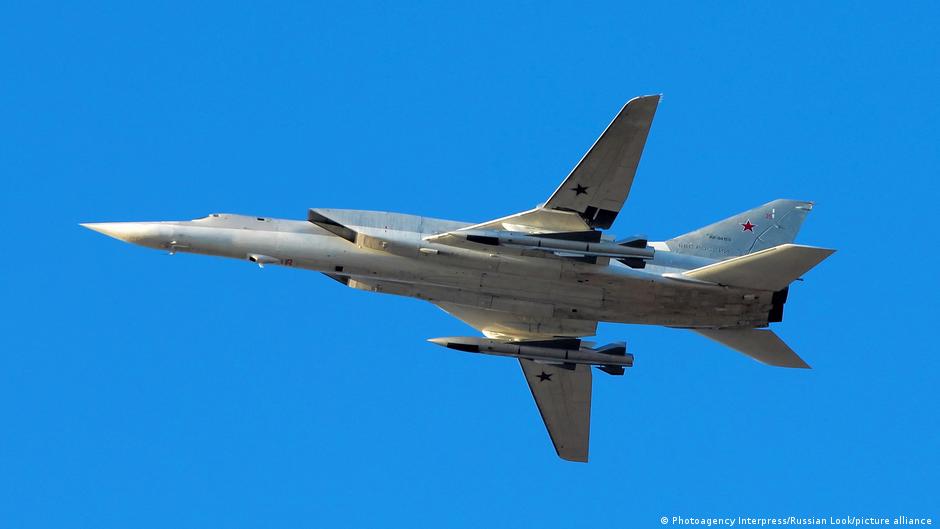
NATO intercepted Russian Tu-22M3 bombers and fighter jets over the Baltic Sea during a routine flight, highlighting ongoing military tensions and impact on defense strategies.