Russia Authorizes Sale of Lower-Grade Fuels Until 2027 Amid Energy Crisis
Russian government permits production and sale of Euro-2 to Euro-4 fuels until mid-2027 as a temporary, crisis-driven measure.
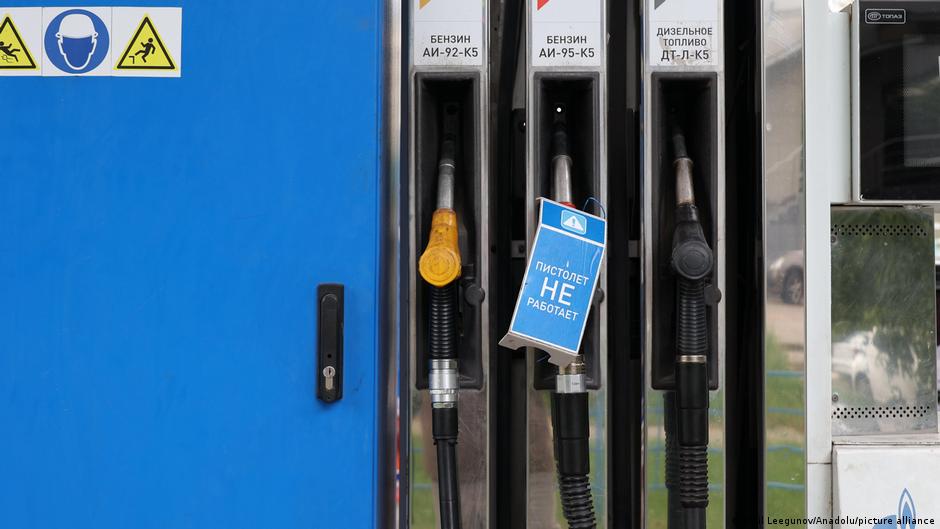
The Russian government has officially approved the continued production and sale of gasoline with reduced environmental standards—specifically Euro-2, Euro-3, and Euro-4 grades—until July 1, 2027. This policy shift was announced on August 5 by the Ministry of Energy via its Telegram channel and marks a strategic departure from previous fuel quality regulations.
Simultaneously, authorities revoked the earlier allowance for selling Euro-5 class gasoline with elevated sulfur content through the end of 2026. The Ministry emphasized that the decision is temporary and forms part of a broader set of anti-crisis measures designed to balance fuel quality requirements against maintaining availability for consumers.
Strategic Response to Disrupted Refining Capacity
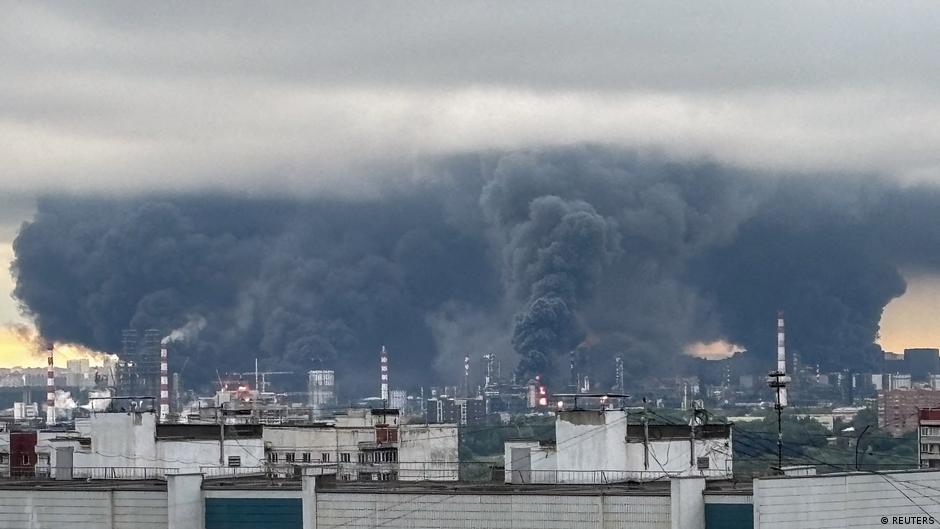
The move reflects the ongoing energy supply challenges precipitated by sustained attacks on Russia's oil refining infrastructure amid the Ukraine conflict. Notably, the Moscow-based Kapotnya refinery, responsible for approximately 40% of the capital’s fuel supply, was struck twice in one week at the end of May and rendered non-operational until late 2026 or early 2027.
According to Reuters, Russian gasoline production in June 2026 fell by 25% compared to June 2025, reaching 85,000 tons per day against a summer demand of 110,000 tons daily. Fuel sales restrictions have been implemented in over 40 regions nationwide, underscoring widespread shortages.
By permitting the use of lower environmental standards, the government aims to utilize crude oil that requires less intensive refining processes and to activate refining capacities currently unable to produce higher-grade fuels. This simplification could increase gasoline production by several hundred thousand tons monthly, although industry experts doubt it will fully offset the lost volumes.
"While this measure may boost output significantly, the use of lower-grade fuels carries safety risks for many modern vehicles," noted Dmitry Prokofiev, Communications Director at NEFT Research.
The Ministry of Energy also mandated that fuel stations clearly display the environmental class of fuels sold, ensuring consumers are informed of the product quality. However, concerns remain regarding the compatibility of Euro-2 to Euro-4 fuels with contemporary automotive engines, potentially impacting vehicle performance and emissions.
Implications for the Russian Fuel Sector and Market Dynamics
This regulatory adjustment highlights the government's pragmatic approach to managing the energy sector crisis. By relaxing environmental fuel standards temporarily, the state prioritizes fuel accessibility to mitigate the impact of refining capacity losses on transportation and industry.
However, this strategy raises questions about longer-term industrial resilience and the sustainability of fuel quality policies amid ongoing geopolitical tensions. Refiners and distributors must navigate the challenges of reconfiguring operations to accommodate lower-grade fuel production while maintaining market confidence and adhering to evolving regulatory requirements.
For corporate stakeholders, the policy signals potential shifts in competitive dynamics, as firms with adaptable refining technologies may gain short-term advantages. Meanwhile, vehicle manufacturers and aftersales service providers may face increased pressure to manage engine compatibility and emissions compliance under the new fuel regime.
Overall, the extension of low-grade fuel sales until 2027 underscores the complex trade-offs between energy security, environmental standards, and market stability in Russia's turbulent fuel sector landscape.