Russia Authorizes Sale of Lower-Grade Fuels Until 2027 Amid Energy Crisis
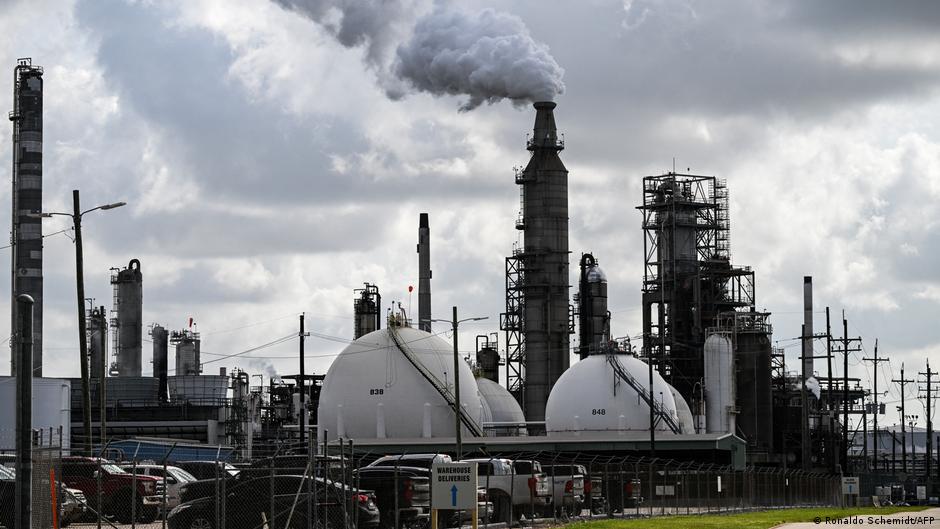
Russia authorizes sale of lower-grade Euro-2 to Euro-4 fuels until mid-2027, responding to refinery disruptions with a temporary, crisis-driven policy shift.

Russia authorizes sale of lower-grade Euro-2 to Euro-4 fuels until mid-2027, responding to refinery disruptions with a temporary, crisis-driven policy shift.

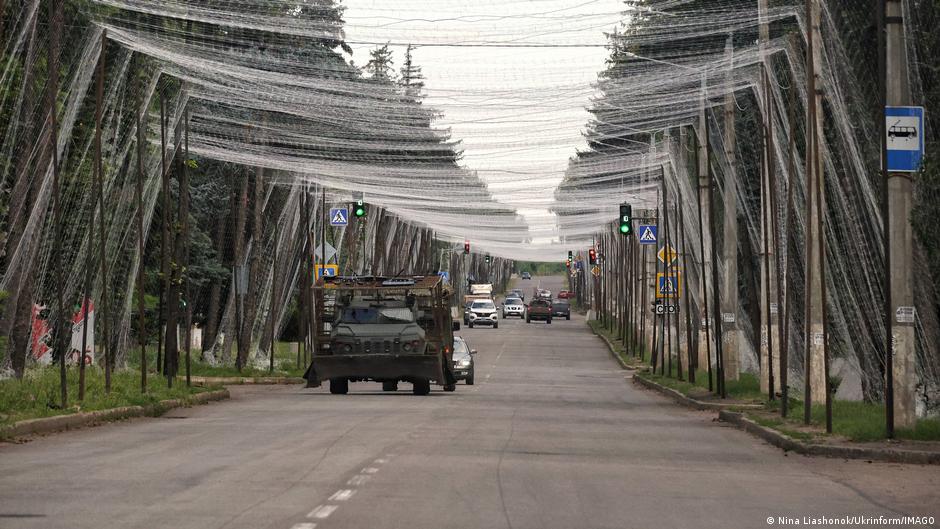
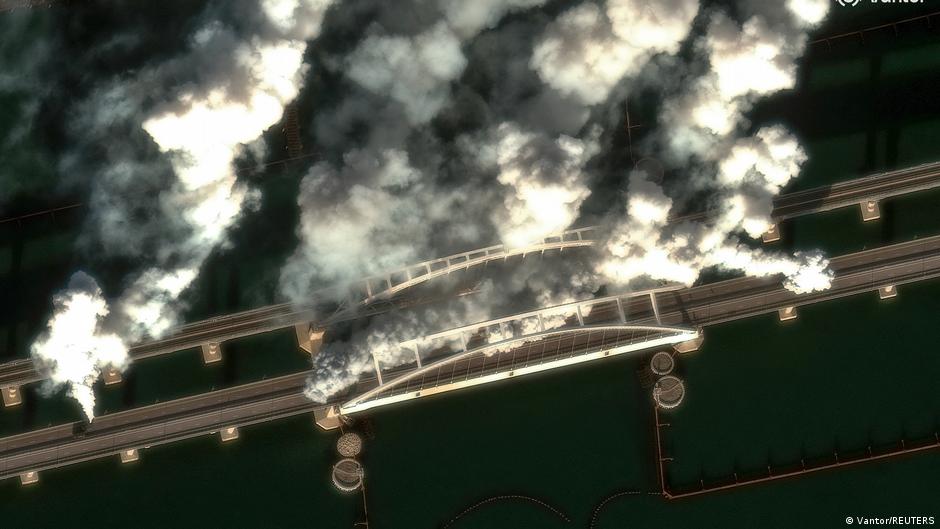
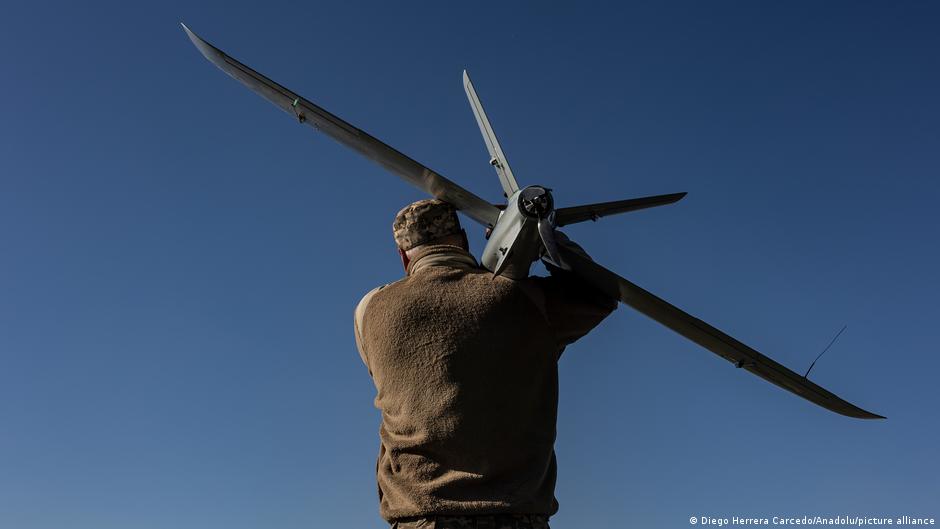
Ukraine’s Security Service reports a 40-day campaign targeting over 100 Russian strategic assets, focusing on military and energy infrastructure to pressure Russia towards peace.

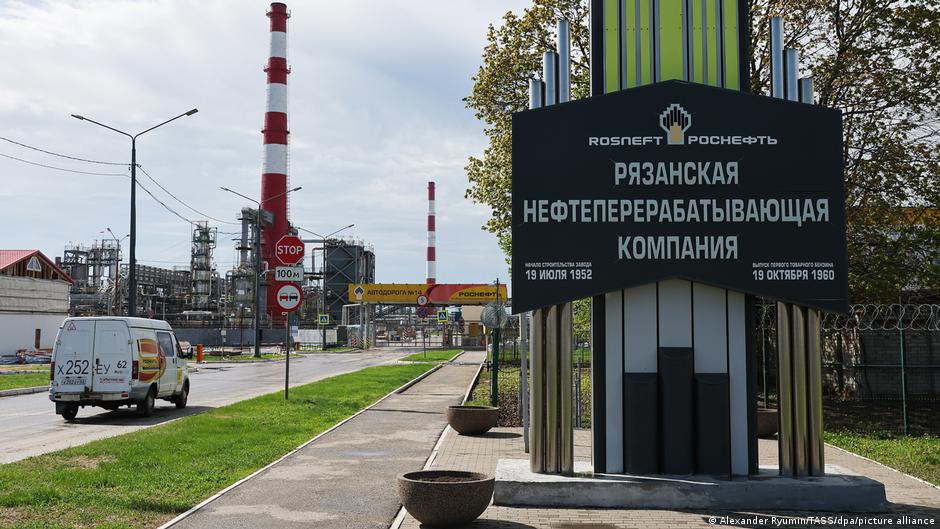
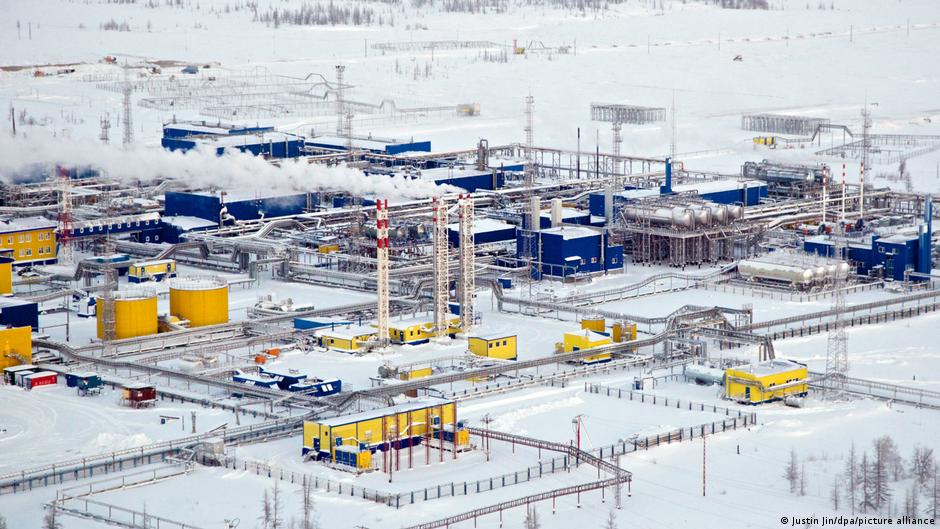
Russian petroleum product production fell nearly 22% in June 2026 amid refinery disruptions and supply constraints, despite partial market stabilization claims.
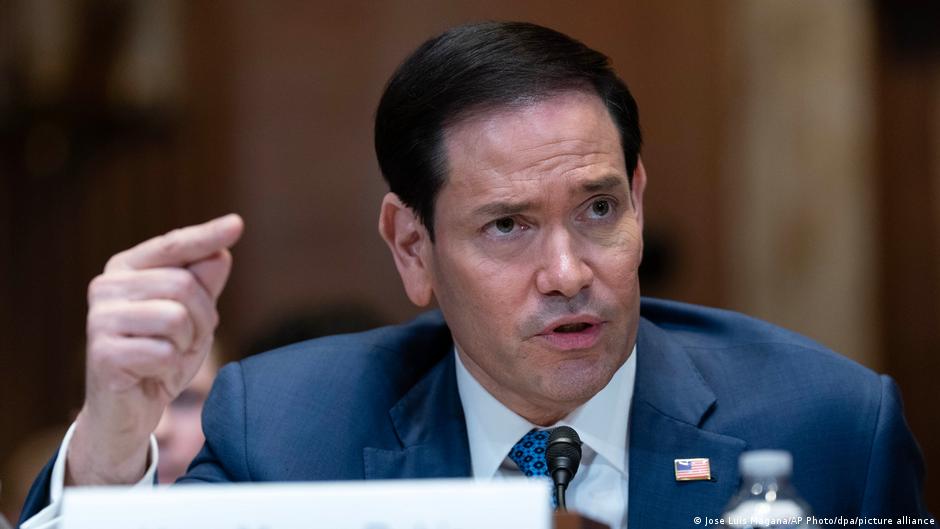

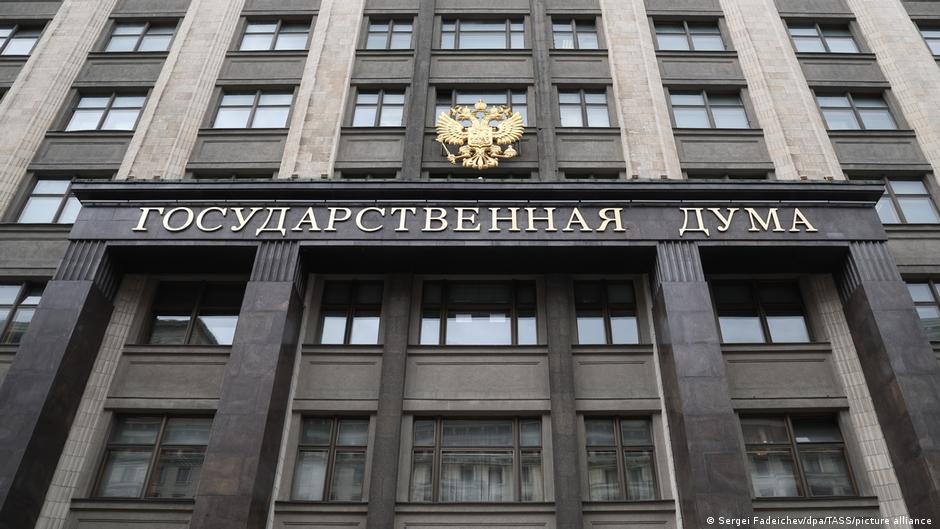
The Russian State Duma has amended tax laws to refine the fuel dampener system and import compensation, aiming to stabilize domestic fuel prices and supplies amid sector disruptions.

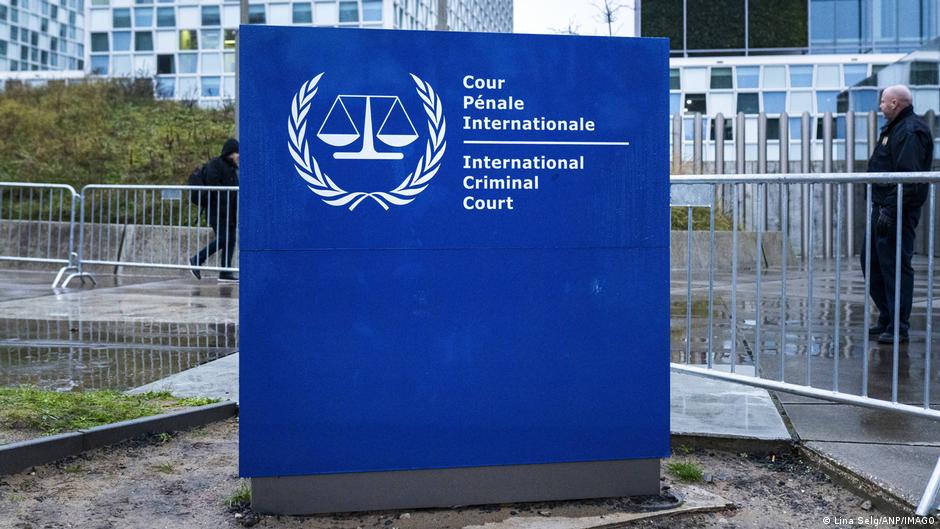
Germany defends the International Criminal Court as the U.S. intensifies its campaign against the tribunal, highlighting competing visions for international justice and sovereignty.

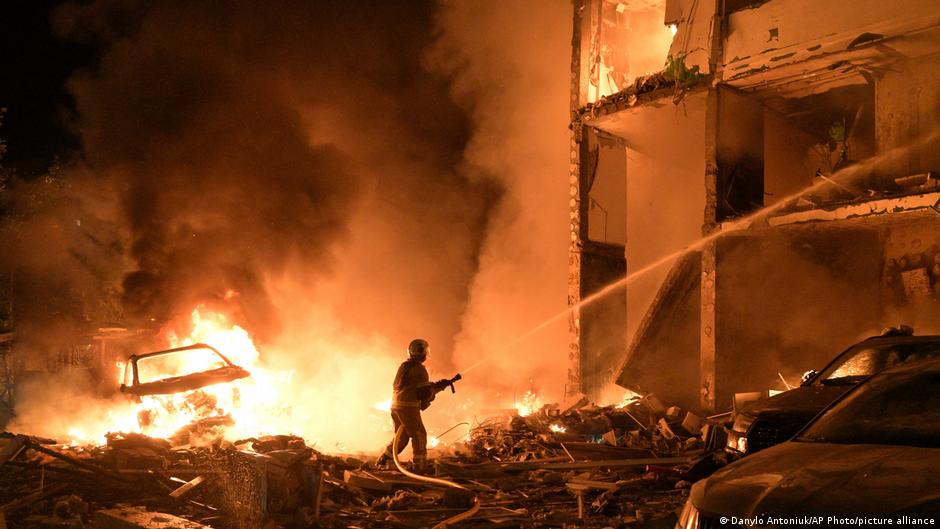
Russian missile strikes on Kyiv cause civilian injuries amid rising casualties and escalating Ukrainian drone attacks on Russian oil facilities.

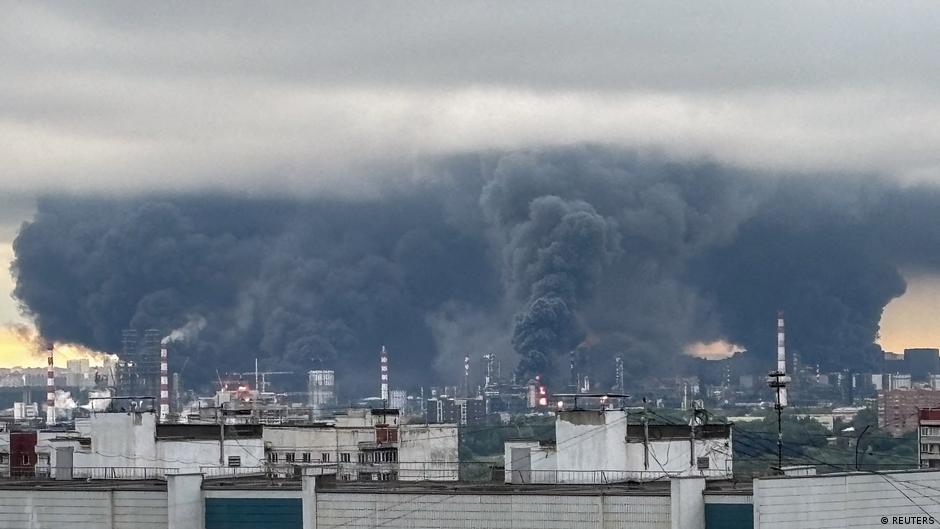
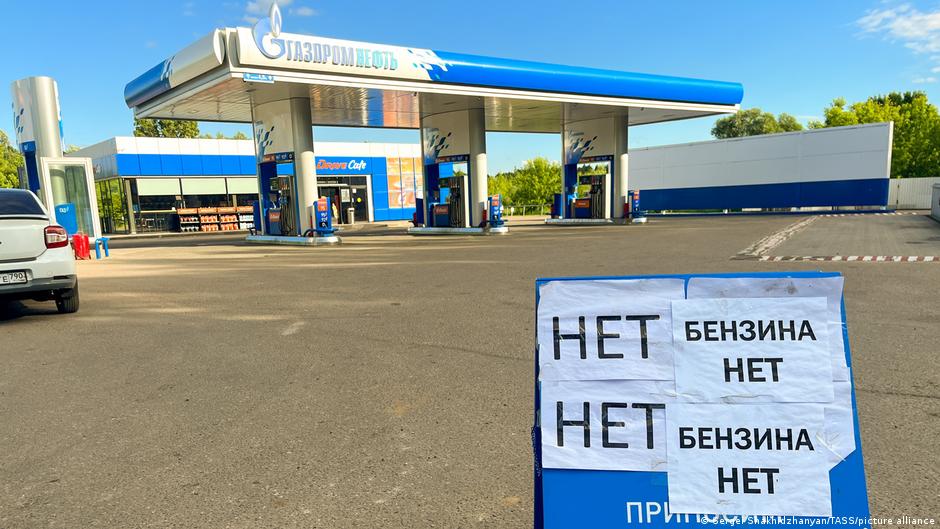
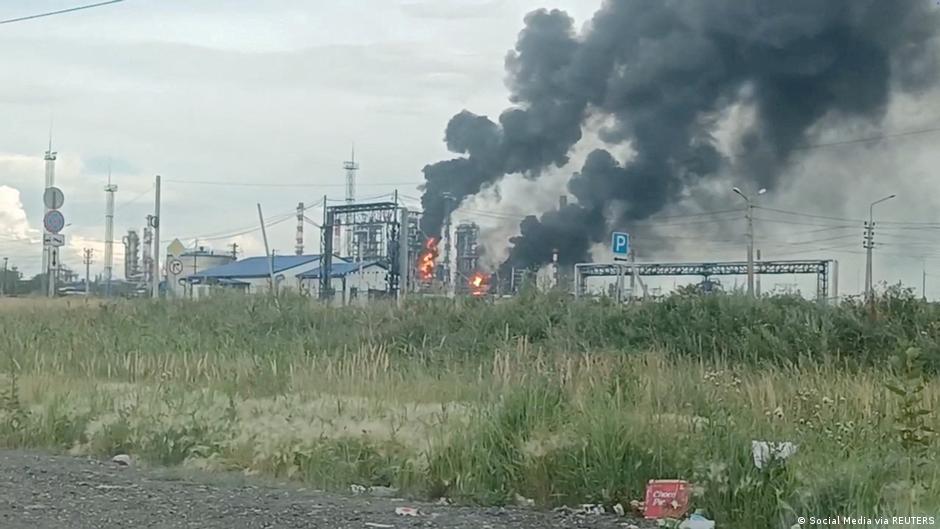
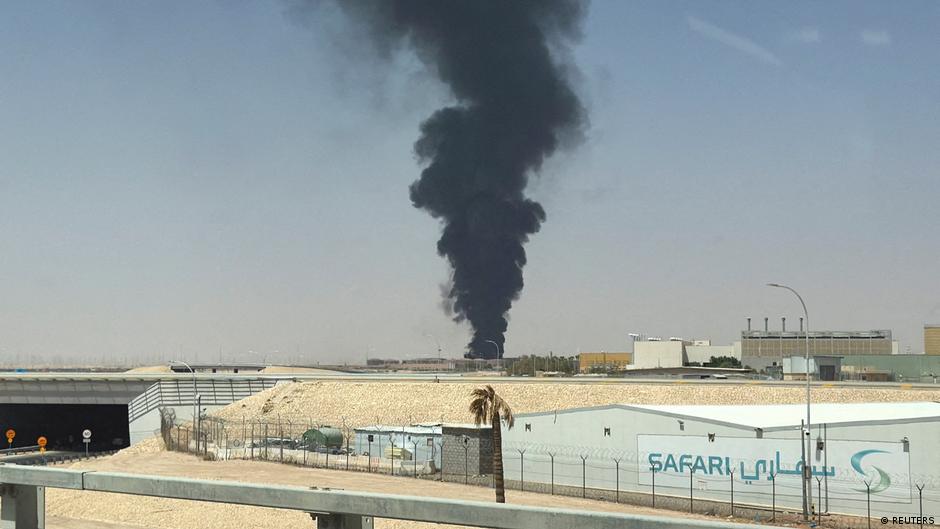
Ukraine’s drone attacks have forced the Saratov oil refinery to halt operations, deepening Russia’s fuel shortage and prompting regional sales restrictions.

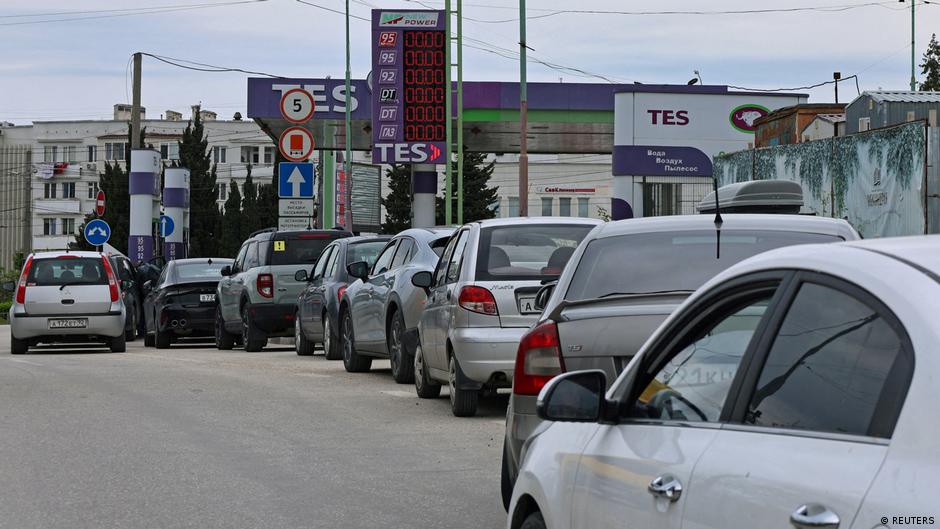
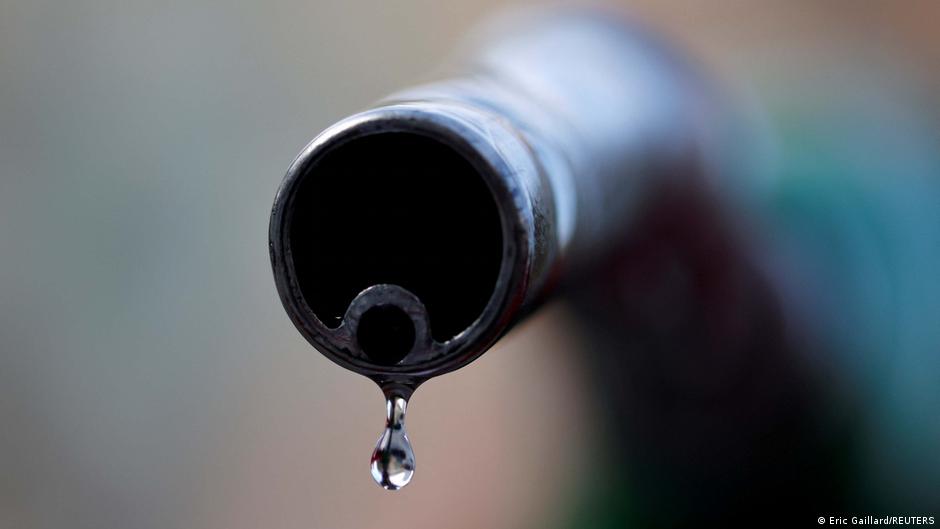
Gasoline prices in annexed Crimea surged 78.4% in early July amid Russia’s fuel shortages, export bans, and increased imports, signaling severe supply challenges.

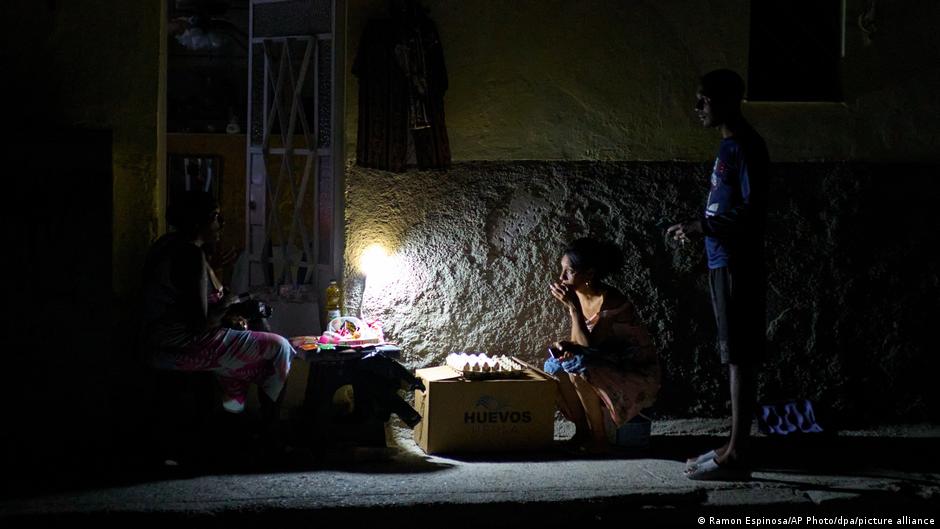
Cuba suffers a nationwide blackout amid severe fuel shortages and US sanctions, prompting urgent energy reforms and highlighting geopolitical tensions.

Russia allows production and sale of Euro-3 gasoline and diesel until end of 2026 to ease fuel shortages caused by attacks on refineries, excluding exports to EAEU states.

In June 2024, Russia reduced drone and missile attacks on Ukraine amid potential supply and production challenges, while Ukraine intensified strikes on Russian fuel and defense infrastructure.

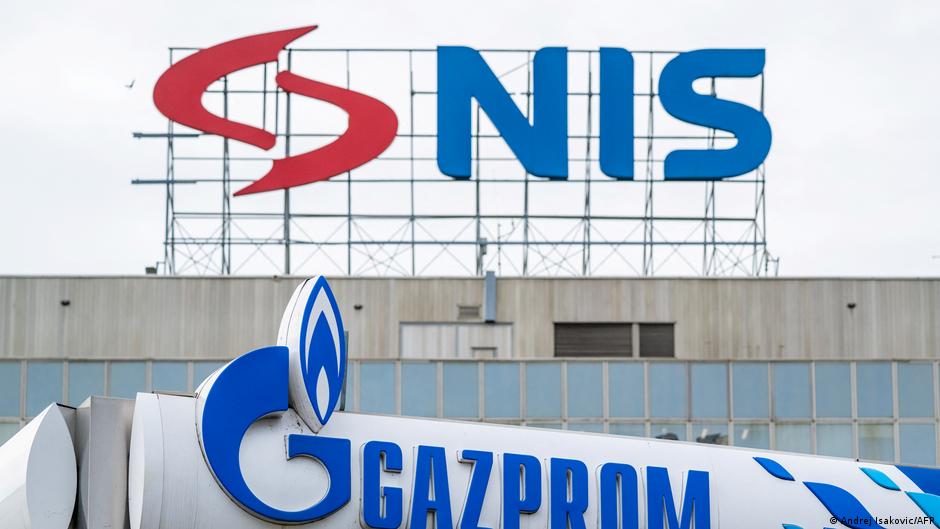
US extends temporary license for Serbian oil company NIS, allowing continued operations amid delays in Gazprom’s stake sale to MOL under sanctions.

Russia’s aviation fuel imports from Belarus surged nearly fourfold in May 2026, reflecting challenges in domestic production and prompting strategic shifts in fuel sourcing amid refinery disruptions.

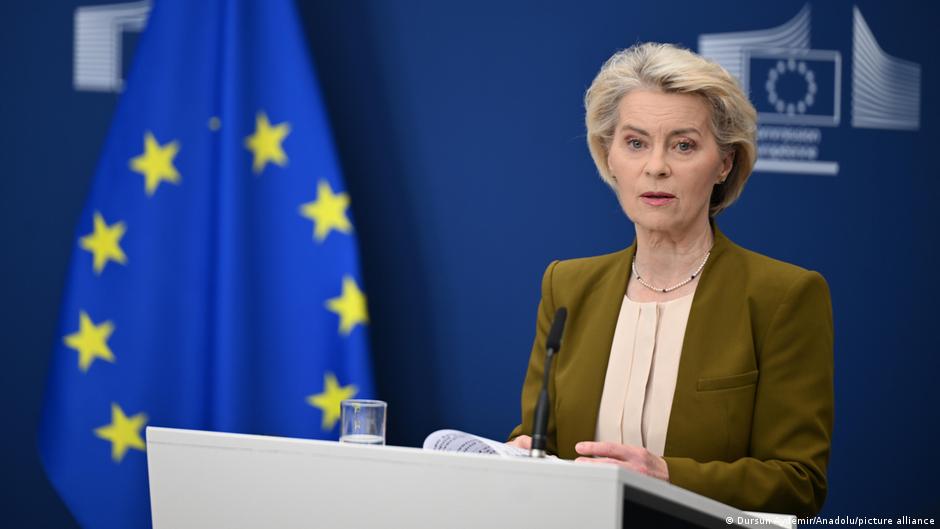
France and Italy express reservations about the EU's proposed entry ban on Russian combatants, citing enforcement challenges and risks of broader application.

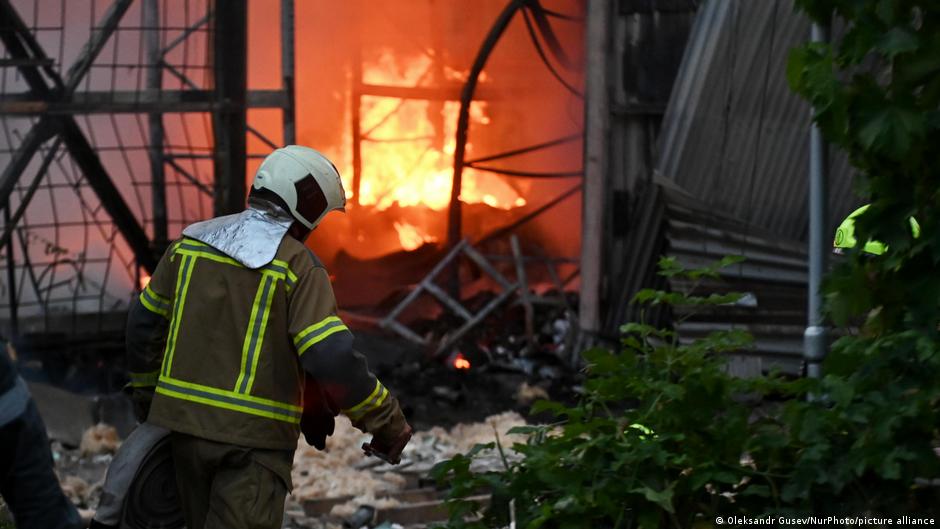
A drone strike caused a fire at the Poltava oil depot near Krasnodar, disrupting regional fuel infrastructure amid broader attacks on energy facilities in Crimea.

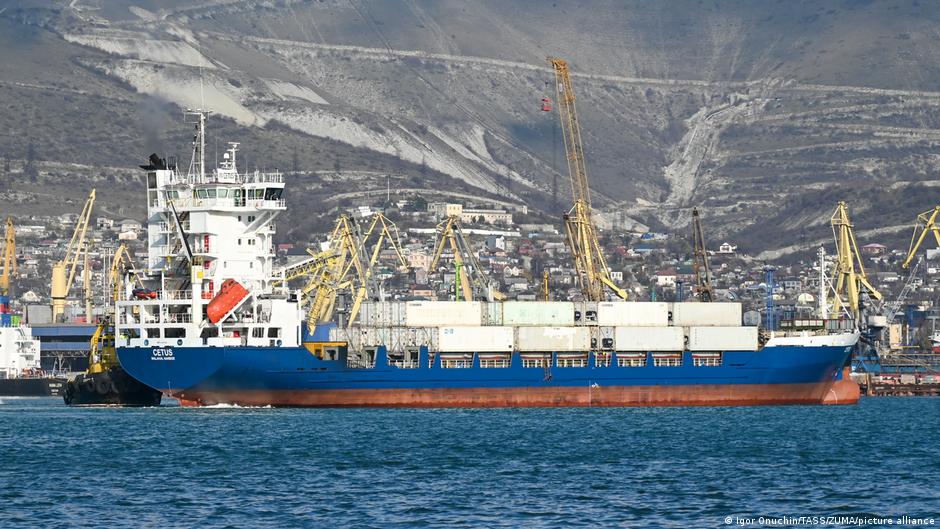
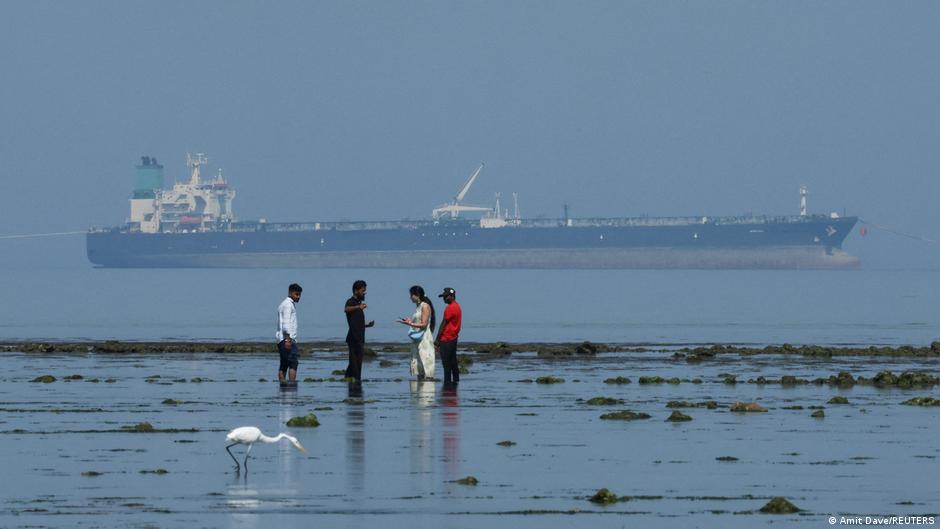
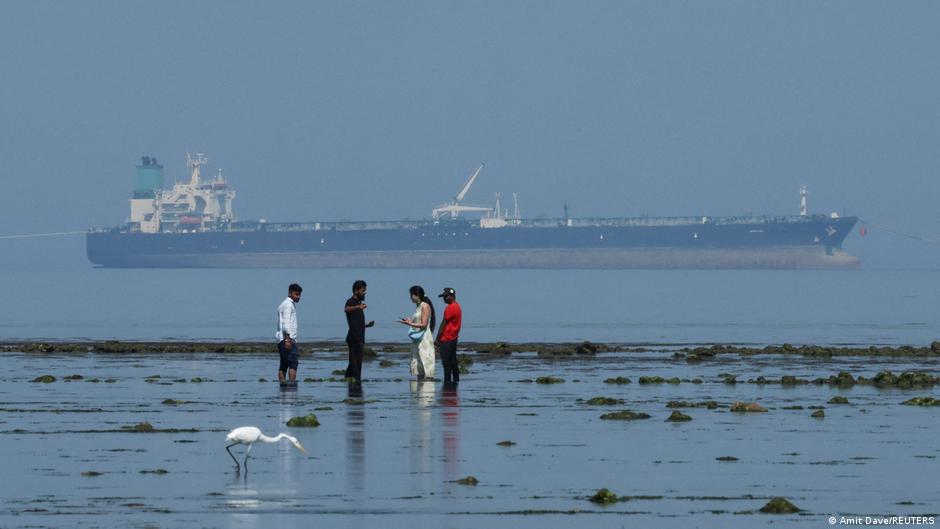
Russia's maritime oil exports hit a peak weekly volume in June 2026 despite intensified competition from Iran after US sanctions relief, highlighting complex strategic challenges.

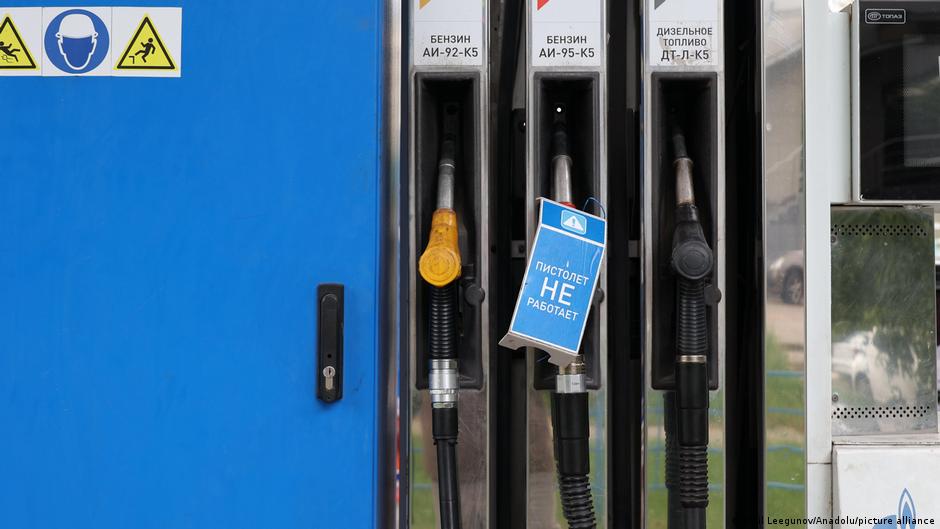
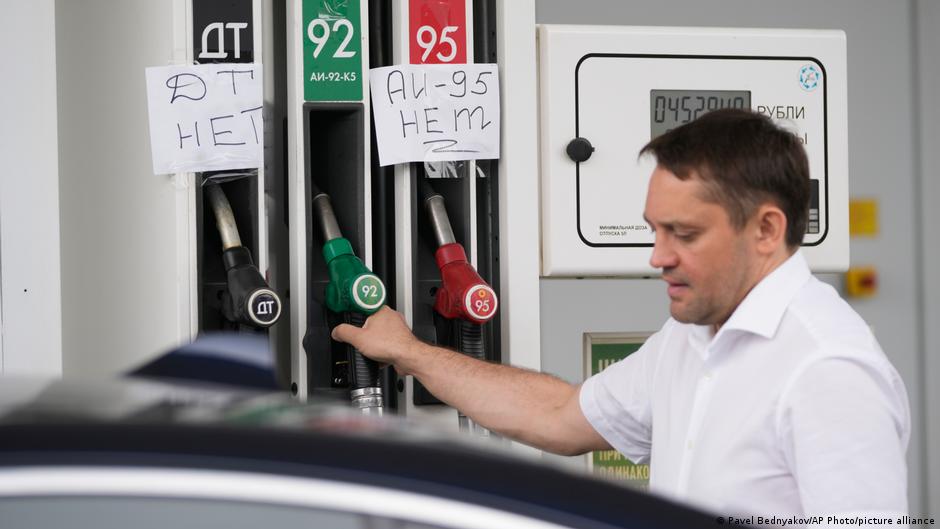
Russian regions impose fuel purchase limits due to supply disruptions from Ukrainian drone attacks on oil infrastructure, affecting over 50 regions nationwide.

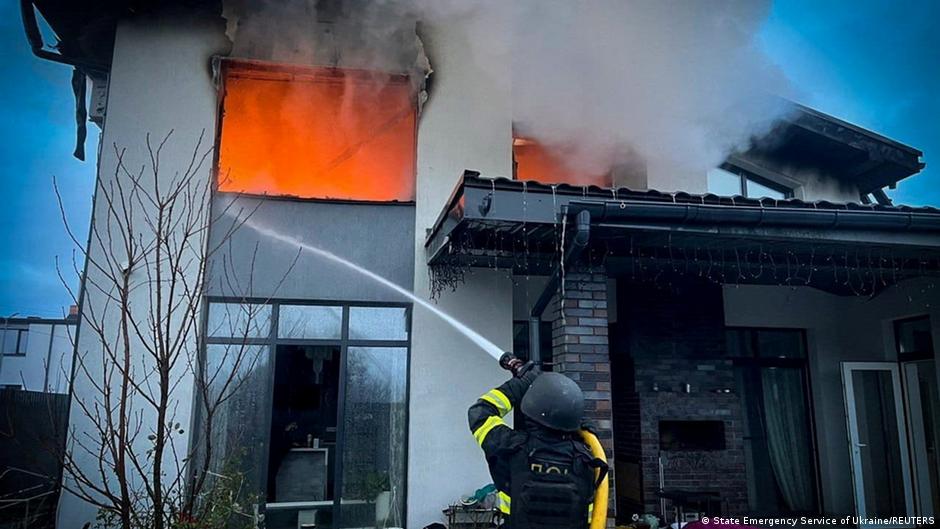
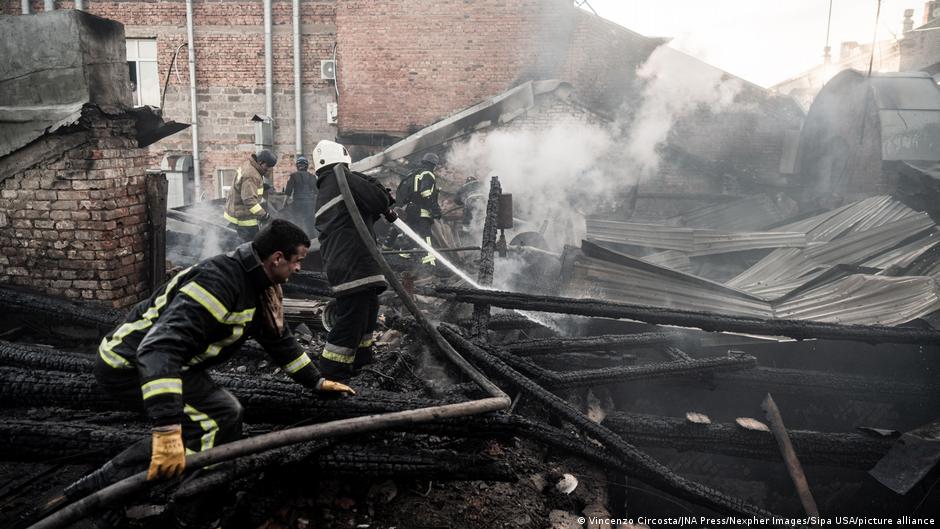
A Russian military drone struck a residential building in Kharkiv causing a fire, while a missile attack in Odessa left one dead and multiple injured, intensifying regional security concerns.

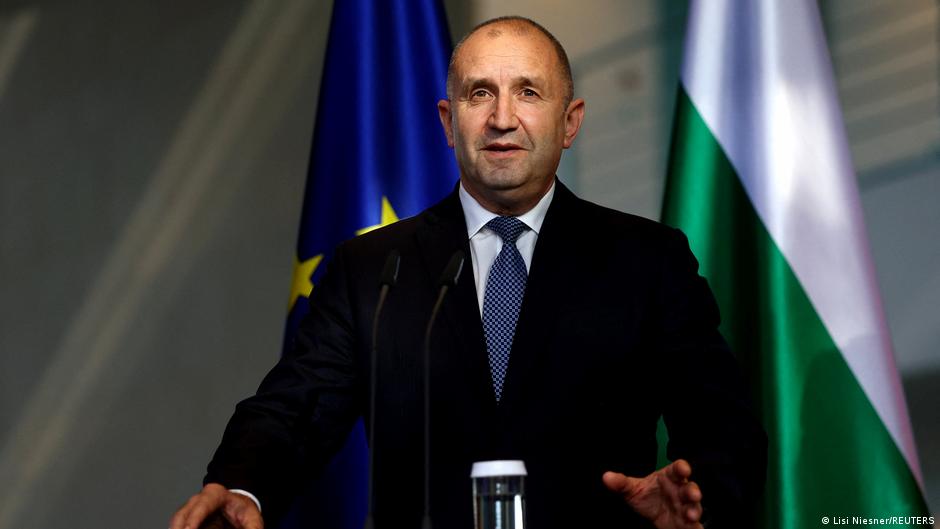
Bulgaria plans to veto the EU's new sanctions against Russia, citing risks to its oil industry and supply chains, while supporting Ukraine's EU accession talks.

European leaders back the US-Iran peace deal emphasizing rapid execution, nuclear non-proliferation, and restoring free navigation through the strategic Strait of Hormuz.

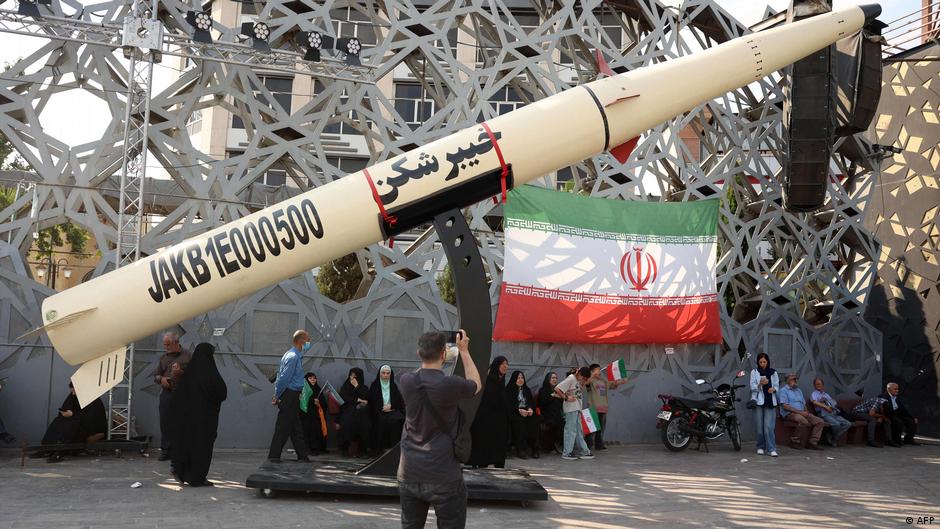
Iran has restored most of its missile stockpile during a ceasefire, potentially supported by new Russian missile deliveries, according to intelligence reports.

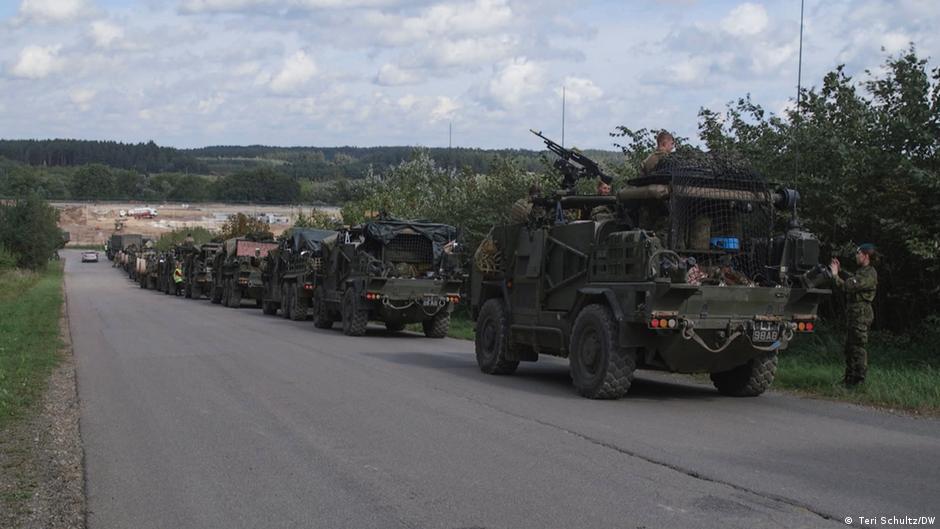
Lithuania, Poland, and France hold joint military drills near the Suwałki Corridor to strengthen NATO's defense and deter potential Russian threats to this strategic land link.

Drone strikes caused fires at major Russian industrial sites including the Azot chemical plant, raising concerns over security and operational risks in defense-related industries.

The US will reduce fighter jets and naval assets supplied to NATO in Europe, shifting military focus towards the Indo-Pacific region and prompting NATO to adjust burden-sharing.

The US has sanctioned Cuba’s state oil company CUPET, intensifying economic pressure amid a deepening crisis and targeting key Cuban political figures.

The US has expanded sanctions on Cuban President DÃaz-Canel and Castro family members amid worsening bilateral tensions and Cuba’s deepening economic crisis.

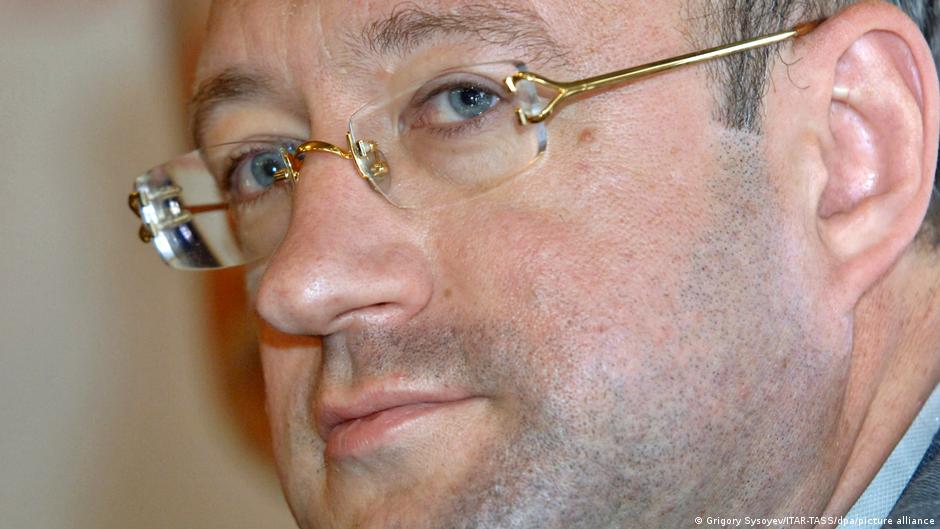
Rosneft advisor Andrey Bezrukov warns Russia may remain in a state of war for decades, urging economic and defense restructuring amid rising security risks and evolving threats.

Israel and Lebanon agree to a US-mediated ceasefire requiring Hezbollah’s withdrawal, resuming talks to resolve ongoing conflict and stabilize the region.

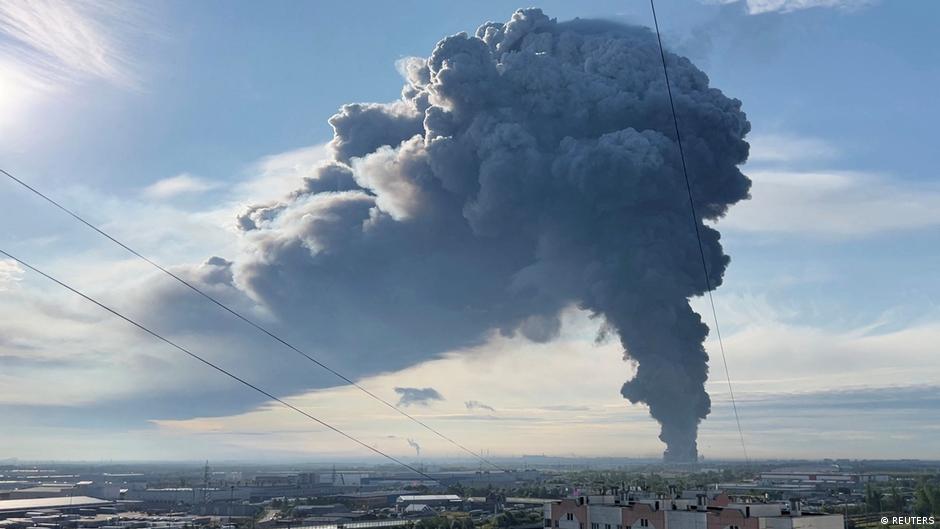
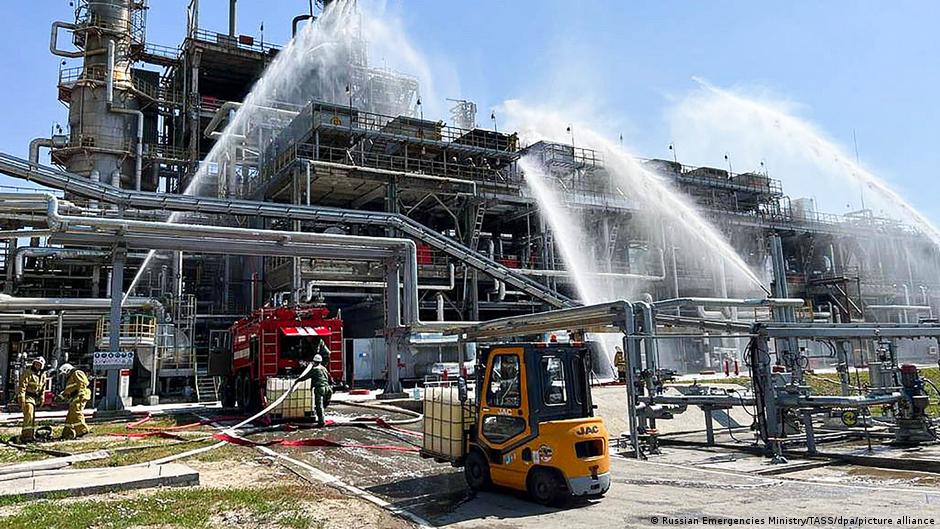
Drone attacks on oil storage and refinery facilities in Rostov and Saratov regions cause fires and damage, raising concerns over energy infrastructure security.

Russia plans to limit diesel and aviation kerosene exports temporarily amid refinery disruptions caused by repeated drone attacks, aiming to stabilize the domestic fuel market.

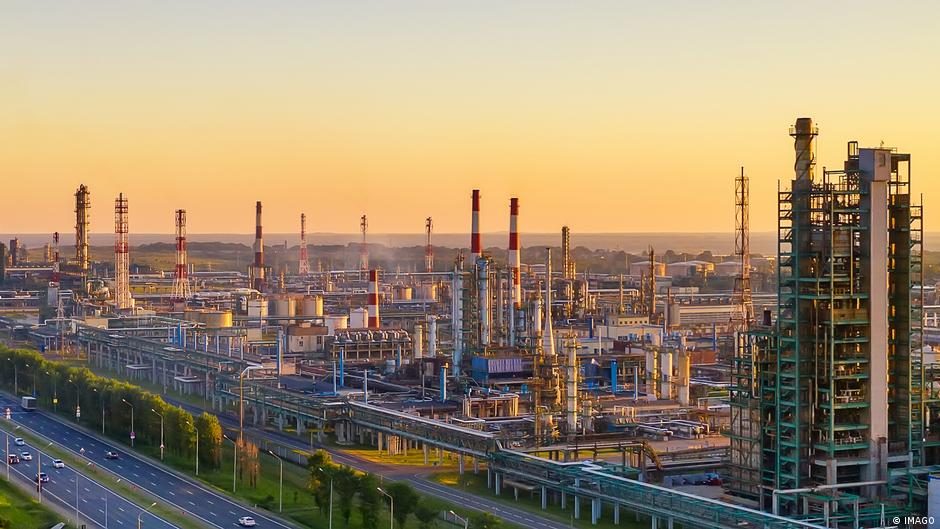
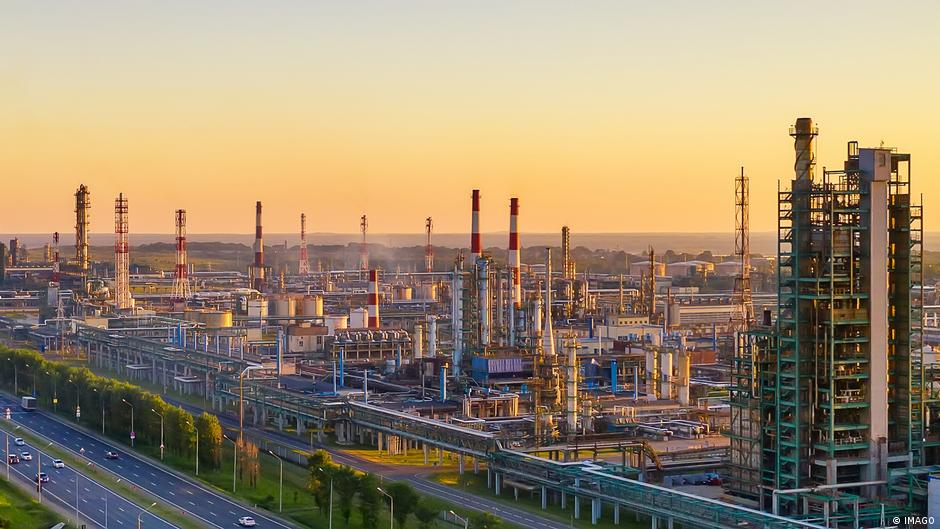
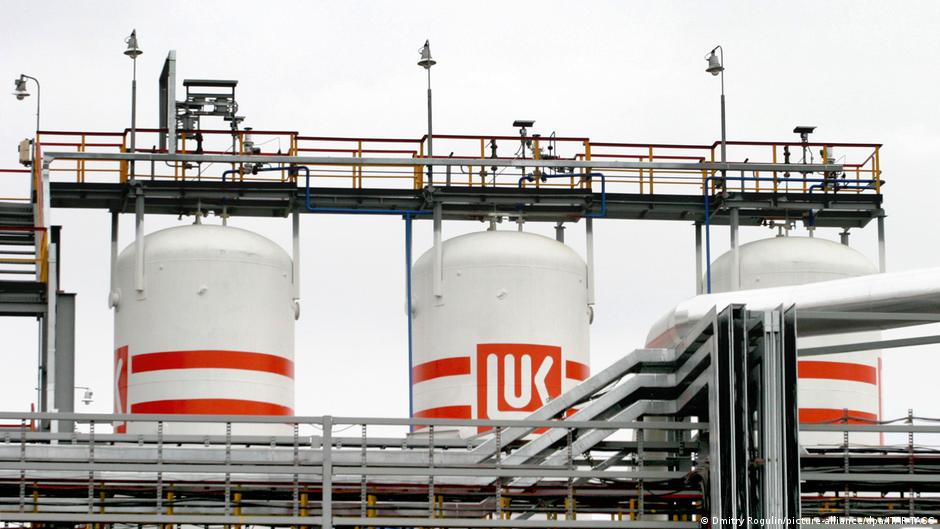
Lukoil's Nizhny Novgorod refinery halted over half its capacity after Ukrainian drone attacks, marking a significant blow to Russia's refining sector and fuel supply.

The UK issues an indefinite license to import Russian-origin diesel and kerosene from third countries, adjusting sanction policies amid energy market pressures.

Russian forces launched drone and missile strikes across key Ukrainian regions, damaging infrastructure and causing injuries, signaling ongoing strategic targeting amid the conflict.

Ukraine imposes sanctions on 32 Russian defense-linked companies and 34 individuals, expanding its strategy to disrupt Russia's military supply chains and extending existing sanctions.

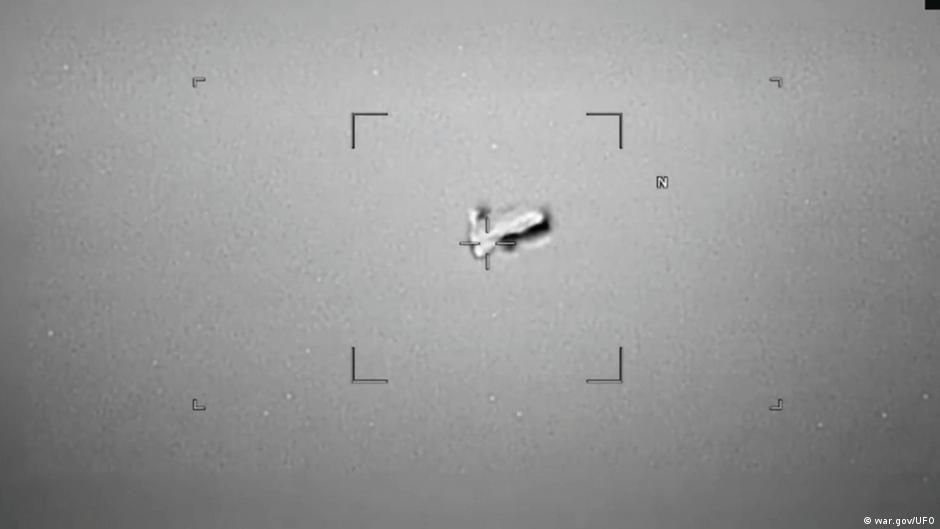
The U.S. Department of Defense has started an ongoing, interagency effort to publicly release declassified UFO files, enabling expert and public analysis amid unresolved phenomena.

Global oil reserves fell by a record 200 million barrels in April amid Middle East conflict and supply disruptions, signaling tightening markets and potential price hikes.

CEO pay in Germany's largest firms has surged 56% since 2019, while worker wages remain below pre-pandemic levels, fueling growing income inequality amid inflation and global challenges.

Lufthansa plans to cancel 20,000 flights through October 2026 and retire older aircraft to save over 40,000 tonnes of aviation fuel amid rising energy costs and geopolitical tensions.