Mass Detentions at Russian Music Festival Highlight Risks for Alternative Event Organizers
Nearly 100 people were detained during a raid on an unofficial music festival near Vyborg over alleged political expressions and drug use.
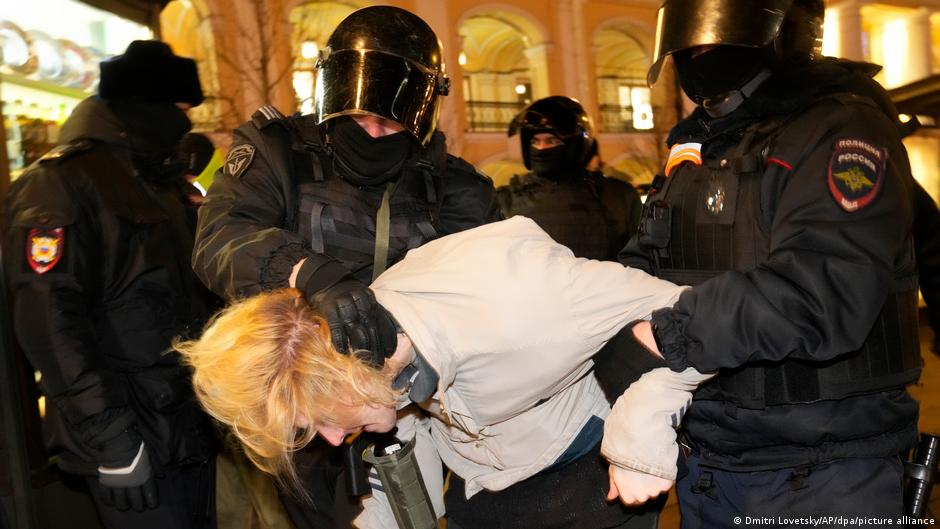
In a significant law enforcement operation near Vyborg, Russia, nearly 100 attendees of an unofficial music festival were detained following allegations related to political activism and drug use. The event, which has been held clandestinely since 2023, faced a large-scale police and special forces raid amid accusations of promoting pro-Ukrainian songs and calls for regime change in Russia.
Operational Context and Strategic Implications
The festival, reportedly taking place in a forested area close to the Finnish border, has become a point of contention between underground cultural organizers and government authorities. The location and timing of the event are deliberately kept secret, with details communicated only a day before the festival to a select group of participants. This strategy aims to minimize detection and interference, but the recent raid exposes vulnerabilities in event security and operational discretion.
According to official reports, law enforcement agencies justified the raid by citing the presence of "pro-Ukrainian songs," "calls for changing the Russian regime," and extensive drug use. The organizers had also displayed Ukrainian symbols at a makeshift stage, further fueling state concerns about the event's political messaging. Following the raid, authorities confiscated drones used by participants to record the festival, indicating a crackdown on documentation and dissemination of the event.
Sources describe the festival as "left-radical," a label that reflects the Russian government's framing of dissenting cultural spaces as threats to national stability. The decision to conduct such a high-profile operation near an international border raises questions about the strategic priorities of security agencies and their approach to suppressing grassroots movements.
"The clandestine nature of these festivals aims to protect participants, but the recent enforcement actions reveal significant challenges in managing operational secrecy and risk mitigation."
From a business perspective, the raid underscores the challenges faced by organizers of alternative cultural events in Russia, where political sensitivities directly impact operational feasibility and risk profiles. The heavy-handed response may dissuade sponsors, partners, and participants, complicating efforts to build sustainable underground networks.
Management and Competitive Environment
The festival, reportedly unofficially known as "Unhealthy Lifestyle" (НОЖ), has cultivated a youthful demographic engaged in alternative music and political expression. The management's approach of selective invitation and undisclosed venues represents a tactical response to regulatory pressures but also limits scalability and visibility.
Given the current environment, event organizers must balance the desire for cultural autonomy against increasing governmental scrutiny. Investment in secure communication channels, risk assessment protocols, and contingency planning becomes critical to sustaining such ventures.
This incident may also influence competitive dynamics within Russia's informal event sector. Organizers who emphasize compliance or depoliticized content might gain relative advantage, while those linked to political activism could face intensified repression, affecting market positioning and long-term viability.
Looking ahead, the festival's fate and the broader informal cultural movement will hinge on navigating a complex landscape marked by heightened security enforcement and limited tolerance for dissent.