Poland Pauses Major Ukraine Arms Package Amid UPA Commemoration Dispute
The interruption highlights how historical disputes can disrupt strategic supply decisions and complicate bilateral defense cooperation.
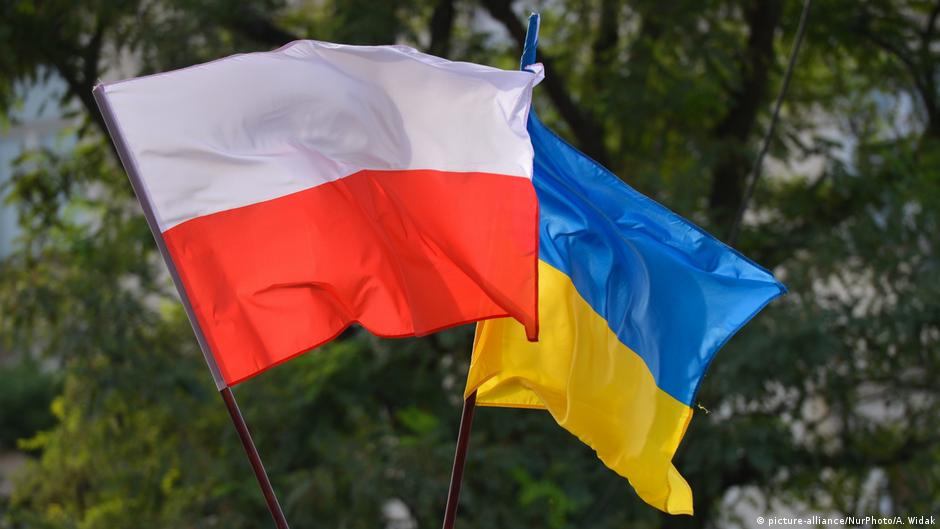
Poland has paused the delivery of a major weapons package to Ukraine after the Lviv Regional Council voted to designate 2027 as a year commemorating the Ukrainian Insurgent Army, its commander Roman Shukhevych and Organization of Ukrainian Nationalists figure Oleh Olzhych, Ukrainian media reported.
The decision has turned a regional symbolic initiative into a material risk for relations between two strategic partners. For Kyiv, the immediate concern is the potential disruption of military supplies. For Warsaw, the episode demonstrates its willingness to use leverage in defense cooperation when Ukrainian decisions cross politically sensitive historical lines.
RBC-Ukraine and Ukrainska Pravda reported the suspension on Wednesday, October 21, citing their own sources. According to an RBC-Ukraine source, the Lviv council held the vote just as Poland was preparing to send Ukraine a large package of military assistance.
“Because of their irresponsible actions, deliveries under this package have now been suspended. Active work is underway through closed channels to resolve a problem created out of nothing,” the source said.
No details were disclosed about the package’s value, contents or expected delivery schedule. The absence of those figures limits any assessment of the operational consequences, but the reported suspension underscores the vulnerability of strategically important supply arrangements to political decisions made outside the central government.
Warsaw links cooperation to historical policy
Polish Deputy Foreign Minister Marcin Bosacki told Polsat News that Warsaw had reached an understanding with Kyiv that the disputed resolution would not take effect. He said the “year of the UPA” resolution disappeared from the Lviv Regional Council’s website following Polish intervention.
“We take the Ukrainian authorities at their word and expect these promises to be fulfilled,” Bosacki said.
The statement suggests that Poland is treating Kyiv’s commitment as the basis for de-escalation, while retaining the ability to reassess cooperation if that undertaking is not honored. From a management perspective, the dispute exposes a coordination problem between Ukraine’s national leadership and regional institutions: a local resolution has generated consequences for national defense procurement, diplomacy and relations with an important partner.
The episode also illustrates how reputational and political considerations can affect government-to-government supply decisions. Poland’s assistance to Ukraine is embedded in a broader strategic relationship, but the dispute shows that such cooperation is not insulated from domestic political pressures or historical memory.
Earlier decisions intensified the dispute
Tensions had already risen at the end of May, when Ukrainian President Volodymyr Zelensky granted one of the country’s Armed Forces units the honorary name “Heroes of the UPA,” saying the purpose was to restore the historical traditions of the national army. The move drew widespread criticism in Poland, where the Ukrainian Insurgent Army is regarded as responsible for the mass killing of Poles in Volhynia during the Second World War.
In June, Polish President Karol Nawrocki stripped Zelensky of Poland’s highest state decoration, the Order of the White Eagle. Nawrocki also said that the Ukrainian leader had “unfortunately proved that Ukraine, in terms of its mentality and glorification of bandits and murderers from the UPA, is not ready to be part of the European family.”
The confrontation then widened. Ukrainian Foreign Minister Andrii Sybiha, presidential chief of staff Kyrylo Budanov, Ukraine’s ambassador to Poland Vasyl Bodnar, and former Ukrainian presidents Leonid Kuchma, Viktor Yushchenko and Petro Poroshenko subsequently renounced Polish state honors.
That sequence demonstrates the escalation risk created when symbolic measures trigger reciprocal actions by senior officials. Each step increases the political cost of compromise, potentially narrowing the room available for pragmatic decisions on defense, trade and other areas of bilateral cooperation.
Reconciliation efforts face a strategic test
Poland commemorated the victims of the Volhynia tragedy on July 11. In a video address, Prime Minister Donald Tusk said that “memory must not serve hatred.” Polish Defense Minister Wladyslaw Kosiniak-Kamysz emphasized the importance of reconciliation and warned against a “spiral of hatred.”
On July 17, Zelensky announced a decision to open Ukrainian security service archives concerning the Volhynia massacres. Following a meeting focused on relations with Poland, he also promised “decisions on the diplomatic track.” Those steps indicated an attempt to address historical disagreements through access to records and state-level engagement.
The latest dispute nevertheless shows how quickly that process can be challenged. Ukraine’s central authorities now face the task of ensuring that the commitment reported by Warsaw is implemented, while Poland must decide whether the assurances are sufficient to resume the arms package. The outcome will signal whether the two governments can contain historical disputes before they affect wider strategic cooperation.
For both countries, the competitive pressure is geopolitical rather than commercial: management of the relationship directly affects Ukraine’s defense position and Poland’s regional security objectives. The suspension therefore serves as a warning that fragmented decision-making and unresolved historical grievances can impose immediate costs on even the most strategically important partnerships.