Deutsche Post Seeks Letter Price Increase as Mail Volumes Decline
The German postal operator plans higher domestic and international rates from January 2027 to offset rising costs and falling demand.
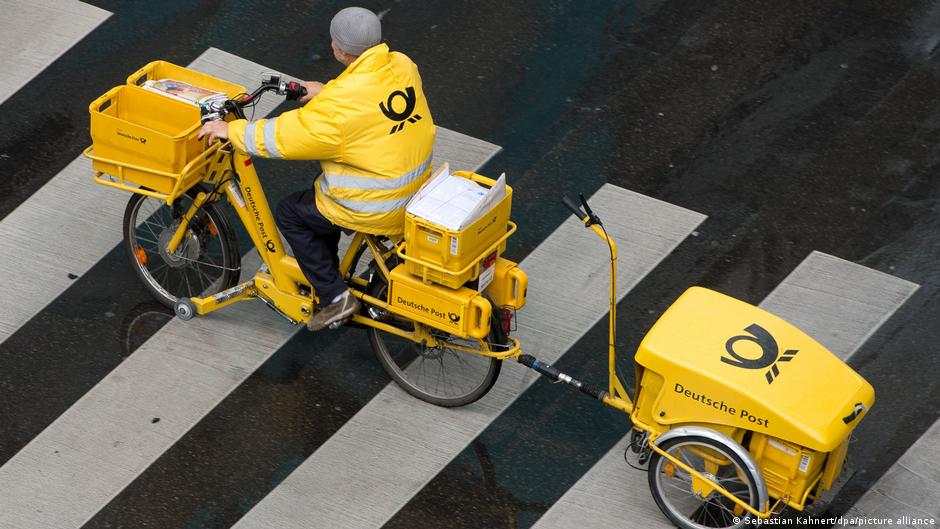
Deutsche Post is seeking to raise the price of sending standard letters in Germany, a move that highlights the mounting financial pressure on traditional postal services as physical mail volumes decline and operating costs increase.
The company announced on Tuesday, October 20, that tariffs for private customers could rise from January 2027. Under the proposal, the price of a standard domestic letter weighing up to 20 grams would increase from €0.95 to €1.15. The cost of sending the same type of letter abroad would rise from €1.25 to €1.45.
The changes would represent increases of approximately 21% for domestic standard letters and 16% for international letters. Deutsche Post said that even after the proposed adjustment, its rates would remain significantly below the European average.
Structural decline puts pressure on the postal model
Management is presenting the tariff increase as a necessary response to a long-term contraction in the letter market rather than as a short-term pricing initiative. Nikola Hagleitner, the DHL management board member responsible for the post and parcel business in Germany, described higher tariffs as “inevitable.”
Germany’s annual volume of letter-post items fell from 16.9 billion in 2005 to fewer than 9.4 billion in 2025, and the downward trend is continuing.
That decline of more than 7.5 billion items over two decades has weakened the economics of a network built to process and deliver much larger volumes. While fewer letters are moving through the system, Deutsche Post must continue maintaining an extensive nationwide infrastructure of mailboxes and postal branches.
At the same time, the company faces higher expenses for personnel, energy and materials. This combination creates a difficult management challenge: the operator has to preserve broad service coverage while spreading its largely fixed network costs across a shrinking number of mailed items. The proposed increase would shift part of that burden to customers who continue to use traditional letter services.
From a corporate-strategy perspective, the decision reflects the limited options available in a structurally declining business. Cost controls can help, but the requirement to maintain national infrastructure restricts how far the network can be reduced. Price increases therefore become an important lever for protecting the economic sustainability of the domestic postal operation as demand continues to weaken.
Regulatory approval remains decisive
Deutsche Post cannot implement the tariffs unilaterally. The proposal must first be approved by Germany’s Federal Network Agency, the Bundesnetzagentur, which regulates the market and determines the scope available for postal price changes.
Several days before the company’s announcement, the Bonn-based regulator said the postal service could raise tariffs for private-customer mail and business correspondence by as much as 20.35%. The proposed domestic standard-letter increase is broadly aligned with that regulatory ceiling, although the final pricing structure still requires formal approval.
The review gives the regulator a central role in balancing several competing interests. Deutsche Post is seeking enough pricing flexibility to cover rising costs and compensate for falling volumes, while households and businesses depend on letter services that remain widely accessible. The outcome will help determine how much of the financial pressure associated with the declining market can be passed through to customers.
New group identity sharpens the corporate structure
The tariff proposal also comes shortly after a significant change in the group’s corporate identity. From September 1, the logistics group formerly known as Deutsche Post DHL Group officially adopted the shorter name DHL, following earlier shareholder approval.
Under the new structure, the Deutsche Post name now refers to the subsidiary responsible for domestic letter and parcel delivery in Germany. The distinction separates the nationally focused postal operation more clearly from the wider DHL group identity.
That change is strategically relevant because the proposed rate increase concerns the regulated German postal business, not the group’s entire logistics portfolio. The domestic letter operation must manage declining correspondence volumes and universal network obligations, while the broader corporate brand encompasses a wider range of logistics activities.
If approved, the new tariffs would take effect in January 2027 and provide Deutsche Post with higher revenue per standard letter. They would not reverse the decline in physical correspondence, but management views them as necessary to support a network whose labor, energy and material costs continue to rise even as demand contracts.