Trump Delays Russia Sanctions, Citing Ukraine Talks and Iran Strategy
The White House is preserving sanctions leverage as it balances negotiations with Moscow against energy-market and geopolitical risks.
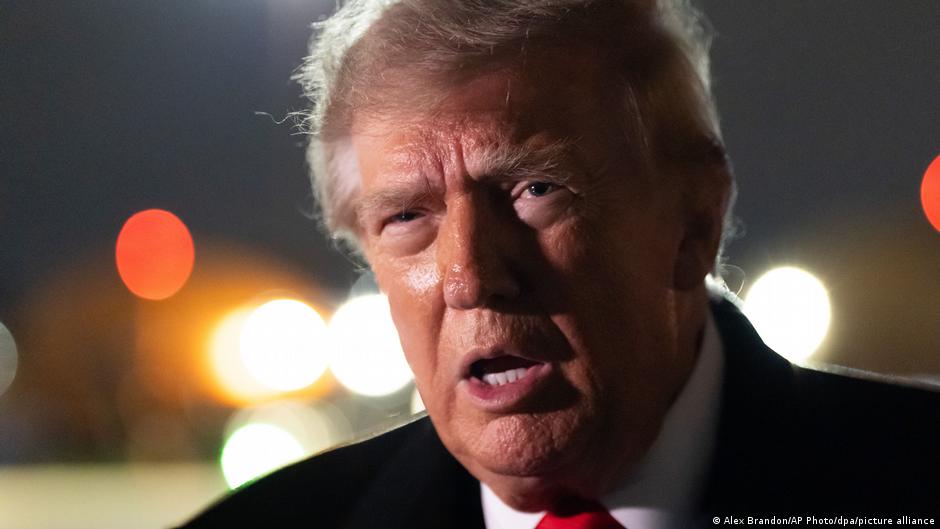
US President Donald Trump said he postponed what he called “hellish sanctions” against Russia to keep Moscow engaged in negotiations over its war against Ukraine and to discourage it from assisting Iran. The decision leaves a sweeping tariff package in reserve while the White House pursues diplomatic and geopolitical objectives that Trump considers more urgent.
In a Truth Social post published Sunday, October 18, Trump said he would impose the measures whenever he considered the timing appropriate. His position effectively treats the proposed sanctions not as a fixed policy response but as negotiating leverage whose commercial impact depends on when—or whether—it is deployed.
“My decision on Russia is very simple. I am currently conducting peace negotiations regarding the war between Russia and Ukraine, and I do not want to take any steps that could foolishly drive Russia away from the negotiating table,” Trump wrote.
Trump said “significant progress” had been achieved in discussions with Moscow, particularly on the release of prisoners. He argued that signing the sanctions legislation now would produce the outcome he wants to avoid by disrupting the negotiations. “I can sign it later at any moment when I consider it necessary,” he said, referring to a bill associated with the late Senator Lindsey Graham.
Sanctions retained as strategic leverage
The proposed legislation carries substantial consequences for companies trading directly with Russia and for businesses exposed to countries that remain major buyers of Russian energy. It provides for additional tariffs of 500% on Russian goods and tariffs of 100% on products from countries ranked among the five largest purchasers of Russian oil and gas, as well as countries described as most actively helping Moscow circumvent sanctions.
Such measures would significantly alter the commercial calculations surrounding Russian trade. For corporate managers, the key uncertainty is no longer limited to whether new restrictions will be introduced. Timing has become an equally important variable because Trump has explicitly linked implementation to diplomatic progress and US national interests.
The law required Trump to introduce the restrictions by October 18 but also authorized him to pause the process if doing so served US national interests. Trump exercised that authority on October 17. The move preserves presidential flexibility while leaving companies with the possibility that punitive tariffs could still be activated later.
Trump also connected the sanctions decision to Iran, saying Russia was providing Tehran with practically no assistance compared with what it could potentially offer. He said he wanted that situation to continue and predicted it would, provided that “foolish people” did not interfere. In strategic terms, the administration is therefore using the prospect of sanctions across two connected geopolitical files: the Ukraine negotiations and efforts to limit Russian support for Iran.
Diesel market concerns shape the White House position
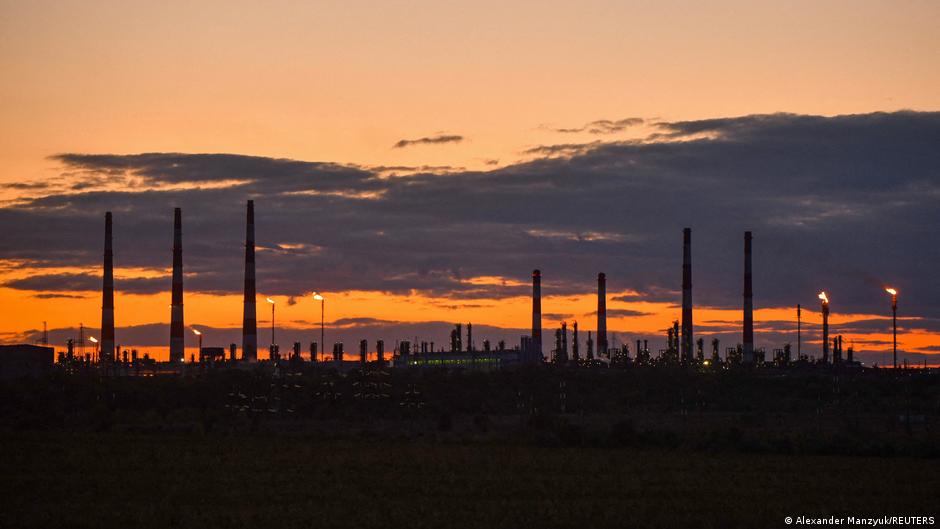
Energy-market considerations were another central element of Trump’s statement. He again criticized Ukrainian President Volodymyr Zelensky over Ukrainian armed forces attacks on Russian oil refineries that produce diesel fuel. Trump said Zelensky understood that the strikes were causing serious harm to the global diesel market, including the US market.
The president argued that farmers, ranchers and business owners across a range of industries were suffering as a result. At the same time, he said Russia continued to supply millions of barrels of low-priced diesel fuel to the global market despite the attacks. Trump accused Zelensky of being unconcerned about those commercial consequences.
For businesses, the remarks indicate that the administration is weighing pressure on Russia against the potential effects on fuel availability and operating costs. Agriculture, transportation and other diesel-dependent sectors feature prominently in Trump’s reasoning, making energy-market stability part of the sanctions calculus rather than a secondary concern.
Trump said he wanted to end Russia’s war against Ukraine but alleged that Zelensky was not seeking to end it and perhaps never had been. He claimed the Ukrainian president could have secured a substantially better agreement two years earlier than would now be possible.
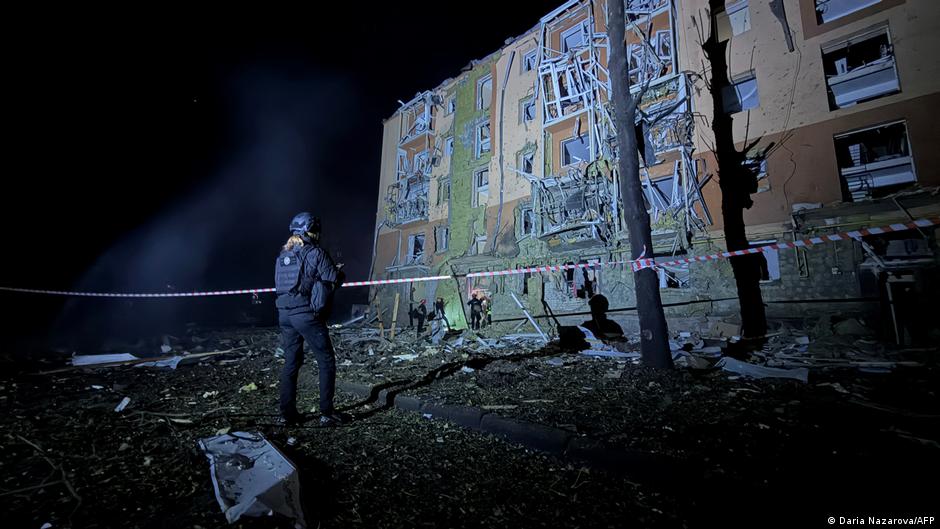
Trump further asserted that Ukraine was in ruins, had lost a significant portion of its territory, no longer had access to seas and oceans, and had seen its male population diminished, wounded or killed. These statements formed part of his broader argument that prolonging the conflict had worsened Ukraine’s negotiating position.
The decision to pause the measures highlights an approach centered on optionality. Trump has retained the ability to impose exceptionally high tariffs while avoiding their immediate effect on negotiations, international trade and diesel markets. That may give Washington additional room to maneuver, but it also leaves companies facing a policy environment in which commercial exposure can change quickly in response to political judgments about Moscow, Kyiv and Tehran.