Kyiv Missile Strike Highlights Growing Risks to Urban Business Continuity
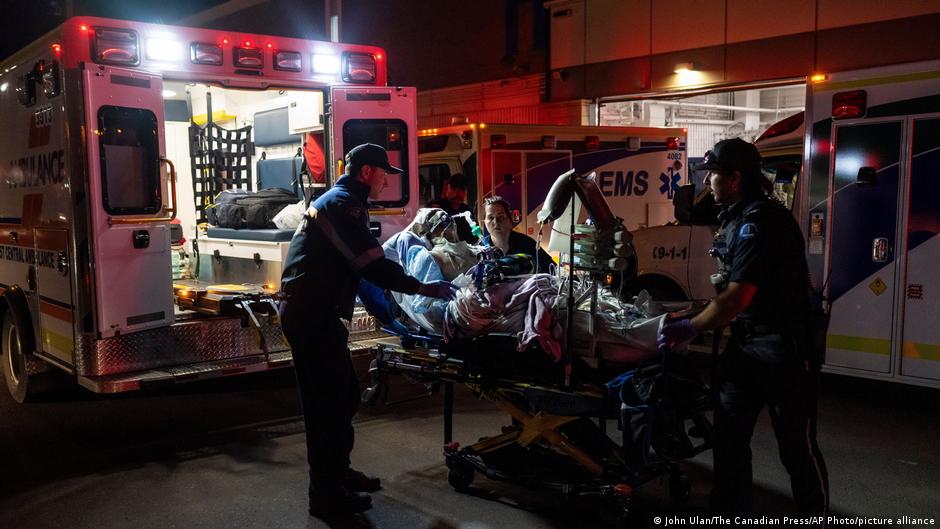
The attack killed a 21-year-old woman, injured three residents and damaged medical, residential, commercial and transport infrastructure.

A Russian ballistic missile attack on Kyiv on the evening of October 18 killed a 21-year-old woman and injured three other residents, according to the Ukrainian capital’s authorities. The reported impact across several districts underscores the immediate human cost of the war while highlighting the operational risks facing businesses, healthcare providers, property managers and transport systems in a major urban economy.
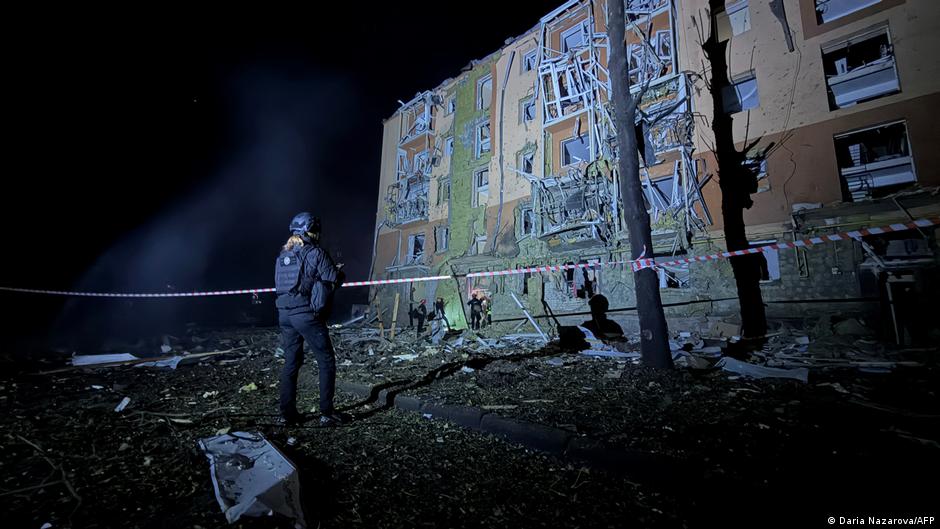
Kyiv Mayor Vitali Klitschko said the strike affected the Desnianskyi, Dniprovskyi and Solomianskyi districts. Preliminary information indicated that a medical center building was hit in Desnianskyi district. A non-residential building was struck in Dniprovskyi district, while the first floor of a 25-story residential building was hit in Solomianskyi district.
The reported damage extended across a medical facility, a non-residential property, a high-rise apartment building and part of Kyiv’s metro infrastructure.
Ukraine’s Air Force said on the evening of October 18 that Kyiv had been attacked with a ballistic missile. The classification is significant for companies and public institutions responsible for emergency procedures because ballistic attacks can place severe pressure on warning systems, evacuation plans and rapid-response decision-making.
Operational disruption extends beyond the impact sites
Klitschko also reported damage to one of Kyiv’s metro stations on the left bank of the Dnipro River. Falling debris caused a break in the rails. Even when physical damage is concentrated at particular locations, disruption to a transport network can affect a wider area by complicating employee travel, deliveries and access to essential services.
For corporate managers, the incident illustrates how interconnected urban operations can transmit the effects of an attack. Damage to transport infrastructure can create secondary challenges for organizations whose premises were not directly hit. Employers may need to account for interrupted commuting routes, delayed shifts and reduced access to offices or service locations. Property operators, meanwhile, face the task of assessing buildings and coordinating with emergency services while protecting residents, staff and visitors.
The reported strike on a medical center also puts the resilience of essential-service providers into focus. Medical organizations must maintain continuity under unusually difficult conditions, balancing the safety of personnel and patients with the need to remain operational. The preliminary nature of the information about the building means that the full extent of the damage was not established in the initial official account.
Management decisions under persistent security risk
The attack presents a stark management challenge for organizations operating in Kyiv: business continuity measures must address not only direct damage but also simultaneous disruption across housing, healthcare and public transport. Corporate strategy in such an environment necessarily places greater weight on crisis communications, employee accountability, alternative work arrangements and contingency planning for inaccessible premises.
The geographic spread of the reported impacts is also relevant to risk assessment. The affected locations were in three separate districts, while metro infrastructure was damaged on the left bank of the river. That pattern demonstrates why continuity planning cannot be limited to the immediate surroundings of a company’s headquarters or facilities. Employees, customers, suppliers and critical infrastructure may each be exposed in different parts of the city.
Management teams must also make decisions with incomplete information. Klitschko described the medical-center impact as preliminary, reflecting the uncertainty that follows an attack. In the first hours of a crisis, organizations may have to act before damage assessments are complete. Clear internal authority, verified communication channels and predetermined escalation procedures can therefore be as important as physical safeguards.
Competitive resilience becomes a strategic consideration
Across Kyiv’s business landscape, the capacity to restore operations after disruption can influence competitive positioning. Companies that can communicate promptly, protect personnel and maintain essential services are better placed to preserve relationships with customers and counterparties. At the same time, resilience measures carry costs and require management attention that might otherwise be directed toward investment or expansion.
The incident also illustrates that operational risk is shared across sectors. A residential impact affects employees and their families; damage to a medical facility can strain access to care; a hit on a non-residential building can interrupt commercial activity; and broken metro rails can hinder mobility. These are not isolated corporate issues but overlapping pressures on the city’s economic infrastructure.
The central fact remains the human toll: a 21-year-old woman was killed and three people were injured. For employers and other organizations, any assessment of business disruption begins with the safety of people. The October 18 attack shows how quickly security events can become workforce, infrastructure and continuity crises at the same time, forcing leaders to make urgent decisions across several operational fronts.