US Gas Proposal Tests Europe’s Energy Strategy and Russian Leverage
Washington’s reported peace initiative would revive Russian pipeline sales despite EU resistance and a legally mandated phaseout.
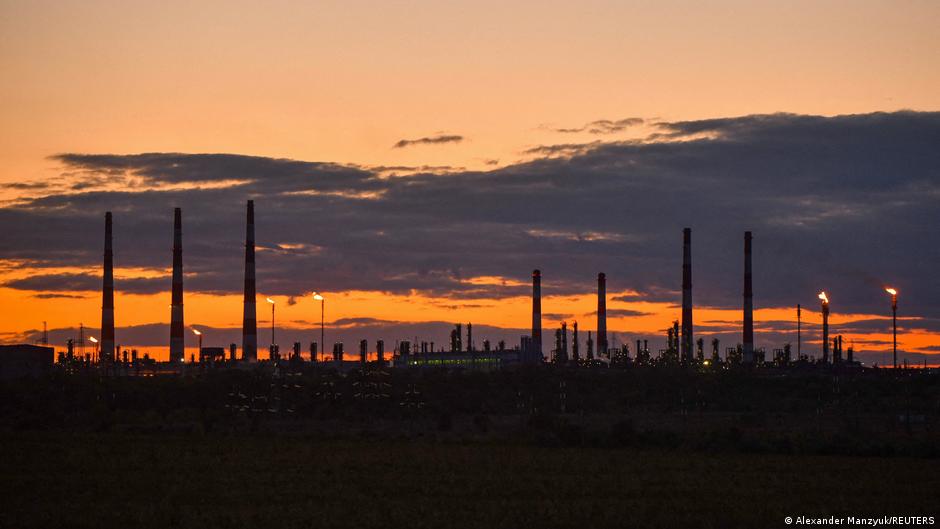
A reported US proposal to make renewed European purchases of Russian pipeline gas a central element of a peace agreement for Ukraine would force governments and energy companies to reconsider strategic decisions made since 2022.
According to The New York Times, US presidential envoys Steven Witkoff and Jared Kushner presented the initiative during negotiations with Ukrainian and European Union representatives. The proposal was also discussed with Ukrainian President Volodymyr Zelensky during a meeting in Kyiv in September.
Washington’s rationale is commercial as well as diplomatic: restoring large-volume gas sales to Europe would give Russia an economic incentive to end the war. For European policymakers, however, the plan would reopen questions about supplier concentration, infrastructure ownership and the durability of the region’s shift away from Russian energy.
A Strategic Reversal for European Buyers
The EU delegation reacted skeptically, according to the report. Günter Sautter, German Chancellor Friedrich Merz’s closest security adviser, was among the initiative’s strongest critics. Some European and Ukrainian officials also expect the United States to seek a share of Russian gas exports, adding a potential commercial dimension to Washington’s diplomatic effort.
Any return to large-scale purchasing would conflict directly with the EU’s current regulatory direction. In January 2026, the bloc agreed to end imports of both Russian pipeline gas and liquefied natural gas by November 1, 2027. The adopted law also prohibits new gas contracts with Russia.
That creates a significant execution challenge. A peace-linked supply arrangement would require more than a political understanding between Washington and Moscow: it would also need close coordination with EU institutions, member states, utilities and infrastructure operators. Companies would need clarity on sanctions, contract legality, pricing, payment mechanisms and the long-term status of the phaseout legislation before making procurement or investment commitments.
The competitive landscape has already changed substantially. Russian gas accounted for 45% of EU gas imports in 2021, before falling to about 19% in 2024 and 13% in 2025. Reversing even part of that decline could alter purchasing strategies across the European market and restore some of Russia’s former commercial influence.
“Any agreement concerning this issue would require close coordination with our European partners as part of a comprehensive peace agreement,” White House representatives said.
Nord Stream Adds an Infrastructure and Ownership Question
US officials also discussed with the Russian side the possible restart of Nord Stream, the major pipeline connecting Russia and Germany beneath the Baltic Sea, according to the newspaper’s sources. The system has not operated since August 2022 following an explosion. Reuters had previously reported the discussions in early October, citing five sources.
One source said the Trump administration regarded restarting Nord Stream after a peace agreement as an “easy task.” White House representatives, however, denied that discussions about the pipeline had taken place, while emphasizing that any related agreement would require European coordination.
For corporate decision-makers, the discrepancy highlights the political uncertainty surrounding the asset. A technical restart, even if feasible, would not by itself resolve regulatory, contractual or strategic barriers. Nord Stream’s future would depend on whether European governments were willing to reverse their diversification policy and again rely on a direct Russian-German supply route.
The expectation among some officials that the United States could seek a stake in Russian exports raises further questions about deal structure. Such participation could involve commercial arrangements around sales or infrastructure, although the reported proposal does not specify a mechanism. Any US role would potentially reshape the balance among Russian suppliers, European buyers and American energy interests.
Ukraine Faces a Difficult Economic Tradeoff
Ukraine ended the transit of Russian pipeline gas to Europe on January 1, 2025, after declining to renew an expired contract with Gazprom. The decision removed a longstanding energy link between Russia and European customers but also cost Kyiv about €900 million in annual transit fees, according to the report.
A settlement that restored Russian exports would therefore confront Ukraine with competing considerations. Renewed trade could contribute to the economic incentives behind a peace agreement, while potentially restoring revenue associated with transit if routes through Ukraine were included. At the same time, alternative corridors such as Nord Stream could bypass Ukraine and leave Kyiv without those fees.
The proposal ultimately places corporate strategy inside a broader geopolitical bargain. European utilities have spent years adjusting procurement as Russia’s share of EU imports declined. Russian exporters have lost market access, Ukraine has surrendered transit income, and EU lawmakers have established a binding timetable for eliminating Russian gas.
For the initiative to progress, the Trump administration would need to reconcile those interests with Europe’s legislation and security concerns. The commercial prize could be substantial because the proposal calls for large volumes, but so are the governance risks. Until governments define the legal framework, ownership arrangements and permitted contractual structures, a revival of Russian pipeline gas remains a negotiating concept rather than an executable energy-market strategy.