Drone Attack Tests St Petersburg Oil, Data and Transport Resilience
Strikes affecting an oil terminal, a VK data center and power supplies expose operational risks across critical business infrastructure.
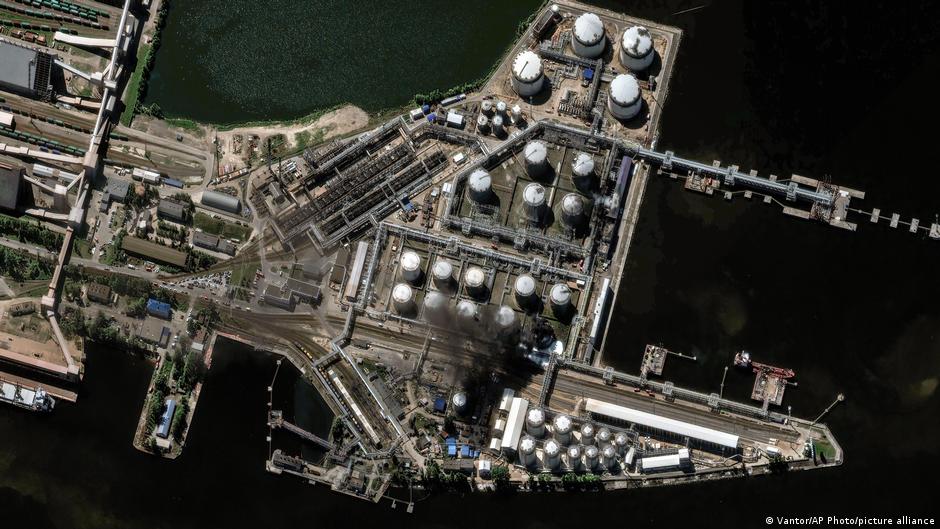
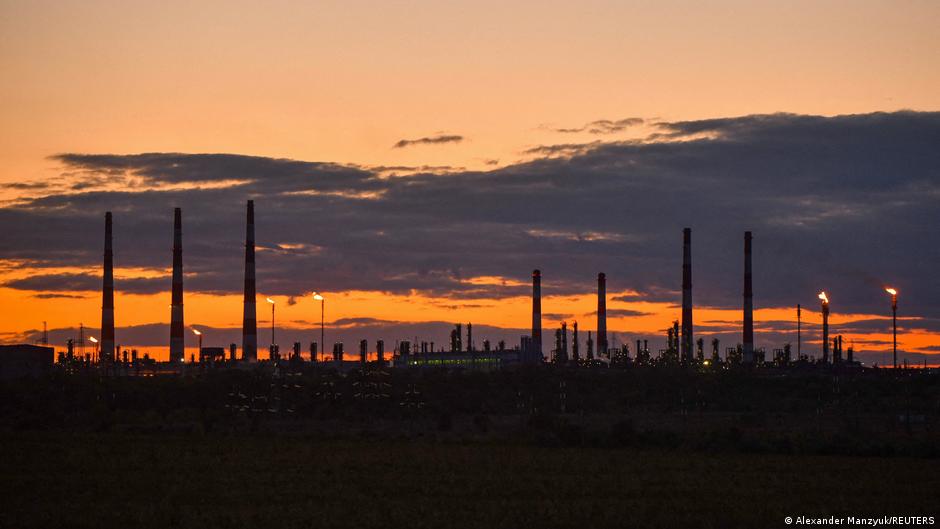
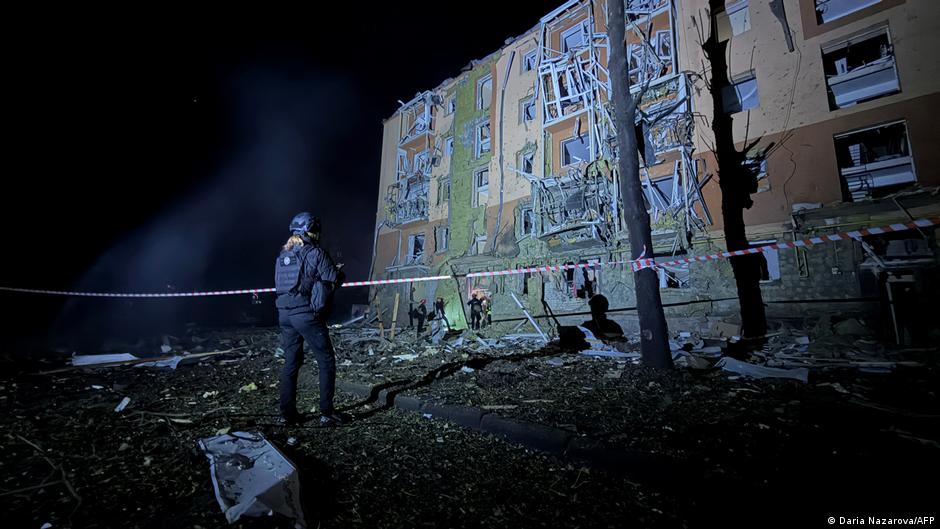
St Petersburg and the surrounding Leningrad region came under a large-scale drone attack overnight into Sunday, October 18, disrupting infrastructure across one of Russia’s most important commercial and industrial centers. A fire broke out at the St Petersburg Oil Terminal, a data center operated by technology group VK was hit, and residents reported localized power outages.
The incidents place renewed attention on the resilience strategies of companies running energy, digital and transport assets in the region. Although officials reported no casualties and VK said its services remained available, the simultaneous impact on several infrastructure categories illustrates how a single wave of attacks can create overlapping operational risks for businesses, their suppliers and customers.
St Petersburg Governor Alexander Beglov said emergency crews were extinguishing fires at civilian infrastructure sites in the city’s Nevsky, Krasnoselsky, Krasnogvardeysky and Moskovsky districts, as well as at the oil terminal. Operations at Pulkovo Airport were restricted for safety reasons, while interruptions to mobile internet services were considered possible.
“There are no casualties. Mobile internet disruptions are possible,” Beglov wrote on Telegram.
Energy infrastructure faces immediate operational pressure
The fire at the St Petersburg Oil Terminal is the most direct concern for the regional energy and logistics sector. The source report did not provide details about the scale of the damage, the duration of the fire or any effect on throughput. Even without confirmed production or shipment losses, an incident at a terminal can require inspections, safety reviews and adjustments to operating schedules before normal activity is fully restored.
For management teams responsible for strategically important infrastructure, the episode reinforces the need to coordinate physical security, emergency response, power continuity and communications. These functions are often managed separately, but the events in St Petersburg show how an attack can affect them at the same time. Airport restrictions and possible road closures can also complicate personnel movements and the delivery of equipment needed for recovery work.
Leningrad region Governor Alexander Drozdenko said 126 drones had been shot down over the region. According to him, debris fell on an apartment building in Vsevolozhsk, a private home near Kirovsk and four vehicles in the village of Nizino. He also reported brief electricity interruptions caused by debris falling on power lines.
Residents cited by the St Petersburg news outlet Fontanka reported electricity problems in several parts of the city, including the Kalininsky and Krasnogvardeysky districts and the Ruchyi area. For companies, even short power disruptions can affect warehouses, retail locations, communications equipment and industrial processes, depending on the availability of backup systems.
VK incident highlights digital continuity challenge
VK representatives confirmed that a company data center in the Leningrad region had been attacked. The technology group owns, among other assets, the VKontakte social network and the Max messaging service. VK said its services were available to users in their normal operating mode, indicating that continuity measures were able to prevent a broadly acknowledged shutdown.
However, the monitoring services Sboy.rf and Detector404.ru recorded a spike in user complaints about VKontakte. The difference between the company’s statement and user reports does not by itself establish the scale or cause of any disruption, but it highlights a management challenge for digital platforms: maintaining technical availability while also addressing signs of degraded performance experienced by customers.
For VK, the immediate strategic priority is likely to be service stability and infrastructure assessment rather than changes to its broader corporate portfolio. The incident nevertheless demonstrates why geographic redundancy, backup power, network routing and crisis communications are competitive issues for large technology companies. Platforms that support social communication and messaging are judged not only by their audience scale but also by their ability to remain functional during infrastructure emergencies.
Reported bridge strike raises logistics questions
Telegram channels Dnipro Osint, Astra and Varlamov News reported that one drone strike hit the cable-stayed bridge over the Korabelny Fairway. The bridge forms part of the Western High-Speed Diameter, or WHSD, a toll motorway that is important to traffic flows around St Petersburg.
Authorities had not confirmed a strike on the bridge. Fontanka reported, however, that the WHSD was closed between the Ekateringofka River and the Shkipersky Channel, a section that includes the Korabelny Fairway bridge. The available information did not establish the extent of any damage or how long the closure might remain in effect.
Any prolonged restriction on this route could force freight and commuter traffic onto alternatives, raising journey times and complicating urban logistics. Taken together, the oil-terminal fire, the data-center attack, electricity interruptions and the reported motorway closure present companies with a cross-sector continuity test. The central business issue is not only the condition of each individual asset, but whether operators can contain disruption as dependencies between energy, connectivity and transport come under pressure.