Starlink Arson Probe Highlights Corporate Exposure to Proxy Sabotage
The investigation into a fire at a Polish Starlink facility underscores the operational risks facing strategic infrastructure providers.
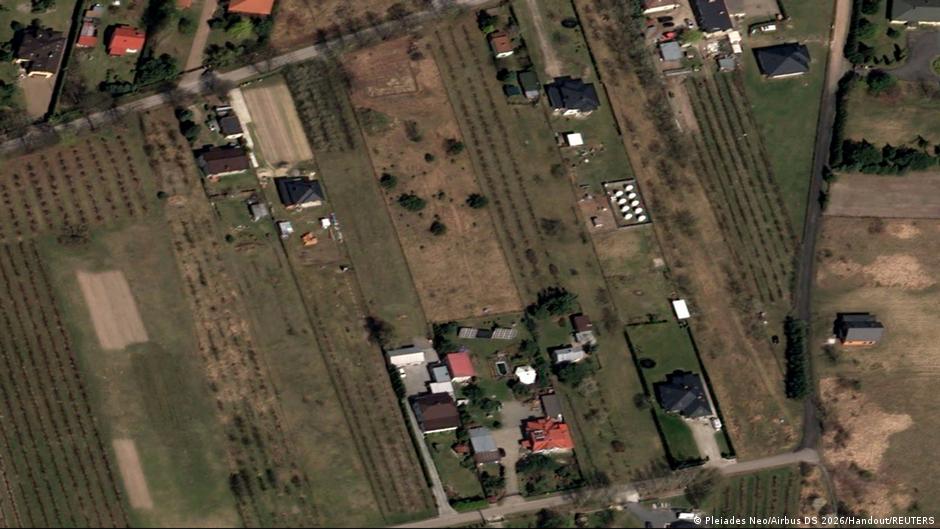
A suspected arson attack on a Starlink ground station near Warsaw is developing into a case study of how strategic infrastructure operators can become exposed to geopolitical conflict, organized crime and cross-border security risks. German magazine Der Spiegel reported, citing sources in several countries, that the Turkish criminal organization known as the Daltons may have been involved in the incident and may have acted on behalf of Russian intelligence services.
The facility, located in the village of Wola Krobowska, about 50 kilometers from Warsaw, was damaged by fire on September 23. The blaze affected an electrical substation and a generator. According to German tabloid Bild, the station briefly stopped operating before returning to service. No injuries were reported.
For Starlink, the satellite communications business operated by SpaceX, the incident illustrates a broader corporate challenge: resilient satellite networks still depend on physical ground infrastructure. Distributed constellations can reduce reliance on individual terrestrial assets, but substations, generators and gateway facilities remain potential points of disruption. Even a short outage can carry strategic significance when a network supports government, commercial or security-related communications.
Investigators examine an alleged criminal intermediary
Two Turkish citizens were detained on October 12 in the German city of Nürtingen as part of the investigation. Der Spiegel identified them as 38-year-old Ümit E. and 34-year-old Müslüm T. Representatives of several law-enforcement agencies told the magazine that the men either belonged to the Daltons or had carried out assignments for members of the group.
The Daltons have for years been associated with extortion, weapons trafficking and contract killings, including activity in Germany. The Higher Regional Court in Stuttgart is expected to decide whether the two detained men will be extradited to Poland.
Two more people, including a woman, were detained on October 13 in connection with the investigation. Polish radio station RMF FM reported that an anti-terrorism operation was conducted in Berlin to apprehend her. Under the preliminary version being examined by investigators, she may have provided logistical assistance to the Turkish citizens and acted as their driver.
The use of alleged criminal intermediaries, if established, would complicate conventional corporate risk management. Companies can monitor direct threats from states or competitors, but networks involving intelligence services, organized crime groups and logistics facilitators create less visible chains of responsibility. They also force businesses to coordinate simultaneously with authorities in multiple jurisdictions.
Alleged Russian connection remains unproven
Der Spiegel reported that the Daltons may have operated at the direction of Russian intelligence. The magazine pointed to the case of the group’s suspected leader, Beratcan Gökdemir, who was detained in Russia in 2024. Turkey requested his extradition, but Russian authorities did not hand him over to Ankara.
According to Der Spiegel, German intelligence agencies believe Moscow may have offered Gökdemir protection in anticipation of reciprocal services. His current whereabouts are unknown. The report does not establish that such an arrangement existed, and direct evidence connecting Russia to the Starlink fire has not been made public.
“Many signs indicate that what happened corresponds to the new Russian doctrine of conducting attacks,” Polish Deputy Prime Minister Krzysztof Gawkowski said on September 23.
Polish authorities described the fire immediately afterward as an attempted act of sabotage. Gawkowski’s statement framed the incident within a wider pattern of suspected hybrid operations, while acknowledging the absence of direct proof of Russian involvement.
Strategic implications for infrastructure operators
The investigation raises management questions extending beyond the repair of one facility. Operators of communications networks must assess whether security spending, redundancy plans and relationships with national authorities are adequate for threats that cross borders and blur the boundary between criminal and state-directed activity.
For SpaceX, the competitive strength of Starlink rests partly on the resilience and rapid availability of its network. The reported return to operation after a brief interruption supports that proposition, but the physical damage also demonstrates that service continuity depends on more than satellites in orbit. Local power systems, generators, access controls and emergency response capabilities form part of the commercial product’s reliability.
The case also highlights reputational and governance pressures. Management must protect sensitive facilities without disclosing information that could help attackers, while customers and governments may seek greater transparency about outages and safeguards. As satellite connectivity becomes more important to national infrastructure, providers are likely to face higher expectations for physical security, operational redundancy and cooperation with intelligence and law-enforcement agencies.
No final attribution has been announced, and the extradition process remains pending. The eventual findings will matter not only for the criminal investigation but also for companies operating strategically important networks across Europe. If investigators substantiate the alleged use of an organized crime group as a proxy, infrastructure security strategies will need to account for a more fragmented and commercially disruptive threat environment.