Kyiv Power Disruptions Expose Ukraine’s Growing Infrastructure Risk
Strikes on energy assets disrupted electricity and water supplies in Kyiv and Volyn, underscoring mounting operational risks across Ukraine.
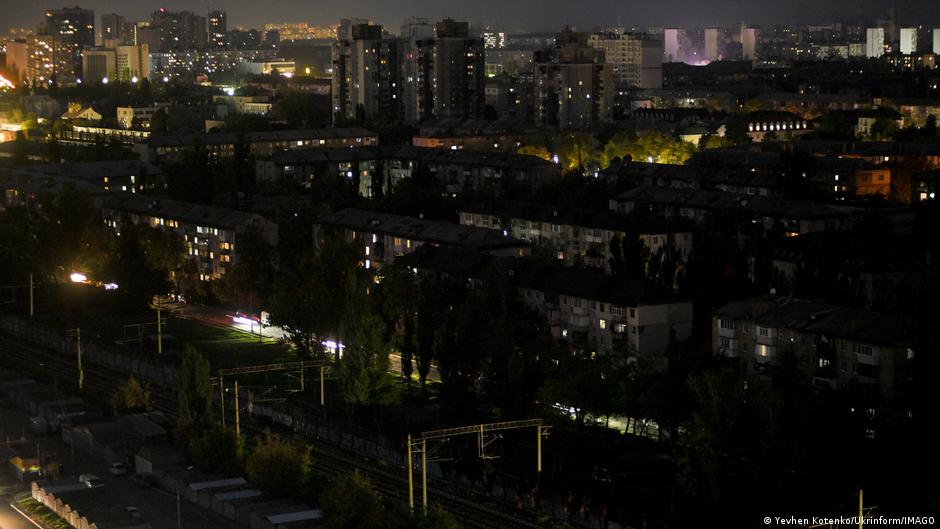
Russian attacks on Ukrainian energy infrastructure caused electricity outages and water-supply problems in parts of Kyiv and the surrounding region on Thursday evening, highlighting the growing operational and financial pressure facing the country’s utilities, businesses and municipal authorities.
Ukraine’s Energy Ministry and Kyiv Mayor Vitali Klitschko said on October 15 that power had been cut in several districts after an energy facility in the Kyiv region was struck by Russian forces. Damage to energy assets outside the capital also reduced water pressure in some parts of Kyiv, according to Klitschko.
“As soon as security conditions permit, crews will promptly begin restoring the electricity supply. Energy workers are doing everything possible to restore power as quickly as possible,” the Energy Ministry said.
The ministry’s statement illustrates a central management challenge for Ukrainian infrastructure operators: restoration work depends not only on technical capacity and available equipment, but also on whether conditions are sufficiently safe for repair crews to enter damaged sites. That constraint can lengthen outages, complicate staffing decisions and make recovery schedules difficult to predict.
Utilities face overlapping operational pressures
The effects were not confined to the capital. Russian forces also attacked the Volyn region on the evening of October 15. Debris from intercepted drones damaged power lines, leading to interruptions in electricity and water supplies in Lutsk, the regional capital, according to Roman Romanyuk, head of the regional military administration.
Romanyuk said three jet-powered drones entered Volyn’s airspace during evening air-raid alerts and were shot down by Ukrainian air-defense forces. Although the drones were intercepted, falling debris still damaged transmission infrastructure, demonstrating that successful air-defense operations do not eliminate the commercial and public-service consequences of an attack.
For utilities and local administrations, simultaneous disruptions to power and water create a compounding risk. Electricity is essential for pumping, treatment and distribution systems, meaning damage to the power network can rapidly affect water services even when water infrastructure is not directly struck. Businesses must therefore plan for connected failures rather than treating electricity, heating and water as separate operational exposures.
The outages also underline the strategic importance of repair capacity. Energy companies and municipal operators must balance immediate restoration with employee safety, equipment availability and the need to protect critical assets from repeat attacks. Companies dependent on continuous power—including manufacturers, retailers, telecommunications providers and logistics operators—face pressure to maintain backup generation, fuel inventories and contingency procedures.
Threat to major commercial centers
The latest disruption comes amid reports of a broader Russian plan to disable Ukraine’s energy system and cut Kyiv, Kharkiv and Odesa off from electricity, water and heating supplies. The New York Times reported that Ukraine presented an intercepted Russian attack plan to European officials in early autumn.
According to the newspaper’s assessment, carrying out such a plan would require approximately 70 ballistic missiles, 720 long-range drones and 150 guided bombs. If implemented successfully, Kyiv, Kharkiv and Odesa could lose about 90% of their electricity-generation capacity, while heat supplies could fall by 90%. Water and sewage systems would also face severe disruption, the newspaper reported.
Such an outcome would have implications far beyond the utility sector. Kyiv, Kharkiv and Odesa are major population and business centers whose economies support manufacturing, technology, trade, transport and professional services. Extensive energy losses could force companies to reduce production, relocate some operations, increase spending on backup systems or suspend activity during prolonged outages.
The threat also creates a difficult capital-allocation problem. Ukrainian companies and public authorities must fund resilience measures while continuing to operate under wartime financial constraints. Investments in decentralized generation, backup power and infrastructure protection can reduce exposure, but they compete with payroll, repairs and other essential spending. Repeated damage can also undermine the expected return on newly installed assets.
Air-defense shortages shape the risk outlook
Sources cited by The New York Times said Russia could seek to exploit shortages in Ukraine’s air-defense capabilities, particularly interceptor missiles for Patriot systems. That shortage is strategically significant because the scale of any infrastructure damage depends partly on Ukraine’s ability to stop ballistic missiles and drones before they reach energy facilities and transmission networks.
For corporate managers and investors assessing Ukraine, the competitive landscape is increasingly shaped by access to resilient infrastructure. Companies with backup generation, diversified facilities and flexible supply chains may be better positioned to maintain operations than rivals concentrated in a single urban center or dependent on uninterrupted municipal services.
The October 15 outages do not by themselves indicate the full scenario described in the reported plan. They do, however, show how attacks on individual assets can cascade into electricity and water disruptions across multiple locations. For Ukrainian businesses, infrastructure resilience is becoming a core strategic concern rather than a narrow facilities-management issue.