UniCredit Wins ECB Approval to Advance Its Commerzbank Takeover
The regulatory clearance allows UniCredit to exceed 30% ownership and potentially secure control of Germany’s second-largest commercial bank.
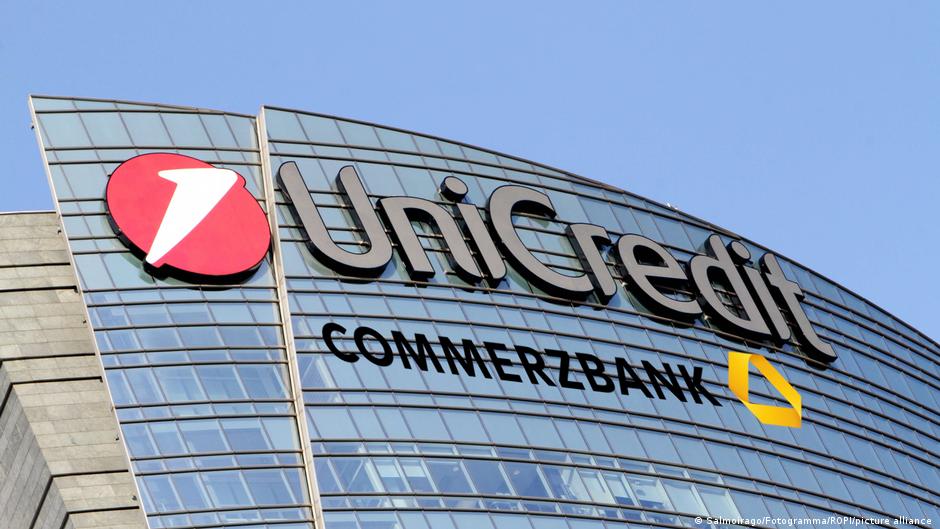
UniCredit has secured European Central Bank approval to acquire additional stakes in Commerzbank, clearing the principal regulatory obstacle to a gradual takeover of one of Germany’s two largest private banks. Representatives of the Italian lender announced the decision on Thursday, October 15.
The authorization gives UniCredit the ability to cross the threshold of 30% ownership in Commerzbank and subsequently increase its holding without further limits, according to the dpa news agency. In practical terms, the ruling provides a route for UniCredit to absorb Germany’s second-largest commercial bank and establish control over a strategically important institution in Europe’s largest economy.
UniCredit presented the ECB’s decision as evidence of confidence in what it described as the bank’s “strong position in the European banking sector.” The approval strengthens the Italian group’s hand in pursuing a transaction that has faced opposition from Commerzbank’s management, employees and the German government.
A decisive regulatory milestone
The proposed transaction is expected to pass through the remaining supervisory procedures by the end of the current year. By that point, UniCredit is expected to hold half of the voting rights in Commerzbank’s shareholder council, enabling it to establish control over the German bank, dpa reported.
The ECB review was a critical step because UniCredit’s strategy relies on converting its existing access to Commerzbank shares into effective voting power. In May, the Italian bank offered Commerzbank shareholders 0.485 UniCredit shares for every Commerzbank share they owned. The offer gave UniCredit access to nearly half of the German company’s shares, but completion of the exchange required authorization from the European regulator.
The regulatory decision was not unexpected. The ECB has repeatedly indicated its support for bank consolidation within the eurozone, arguing that cross-border mergers can strengthen the European Union’s single internal market. From that perspective, a combination of UniCredit and Commerzbank would represent the kind of transaction capable of reducing national fragmentation in European banking and creating a larger institution operating across major eurozone markets.
ECB clearance transforms UniCredit’s position from a significant investment into a credible path toward corporate control.
For UniCredit, the approval delivers substantial strategic flexibility. Crossing the 30% threshold allows management to continue building its stake rather than remaining a minority shareholder with limited influence. The prospect of holding half of the voting rights would give the group the ability to shape Commerzbank’s direction, governance and operating priorities.
The transaction would also expand UniCredit’s presence in Germany, placing it in control of a lender with a major role in financing the country’s corporate sector. Commerzbank’s established relationships with German small and medium-sized enterprises are particularly important to the political debate surrounding the takeover.
German resistance centers on jobs and corporate identity
The German government, which owns slightly more than 13% of Commerzbank, has opposed UniCredit’s takeover plans. Its concerns include the possibility that post-acquisition optimization measures could lead to job cuts. Bank employees and Commerzbank’s leadership have also resisted the prospect of control passing to the Italian group.
Berlin wants Commerzbank to remain a publicly listed company headquartered in Frankfurt am Main. German authorities also want the bank to continue developing services for the country’s small and medium-sized businesses, according to dpa. Those priorities could become central points of contention if UniCredit moves from regulatory clearance to the practical integration of the two institutions.
The disagreement highlights the tension between European-level consolidation policy and national economic priorities. The ECB views mergers as a mechanism for strengthening the eurozone banking market, while the German government is focused on employment, headquarters functions and continued access to financial services for domestic companies.
Management decisions following the remaining supervisory procedures will therefore determine whether the transaction develops as a gradual accumulation of control or moves toward a more comprehensive operational combination. UniCredit has obtained the regulatory capacity to increase its ownership, but it must still navigate political resistance and concerns among Commerzbank’s workforce and leadership.
The competitive consequences could extend beyond the two banks. A larger cross-border institution would test whether European banking groups can use mergers to build scale across national markets while retaining the local corporate relationships that underpin banks such as Commerzbank. It would also demonstrate how much influence national governments can exercise once a eurozone regulator has approved a transaction.
For now, the balance of power has shifted toward UniCredit. ECB authorization removes the most important formal barrier to increasing its stake and gives the Italian lender a credible route to control by year-end. Germany’s government remains an influential shareholder, but its slightly more than 13% holding is considerably smaller than the voting position UniCredit expects to command after the deal completes its supervisory path.