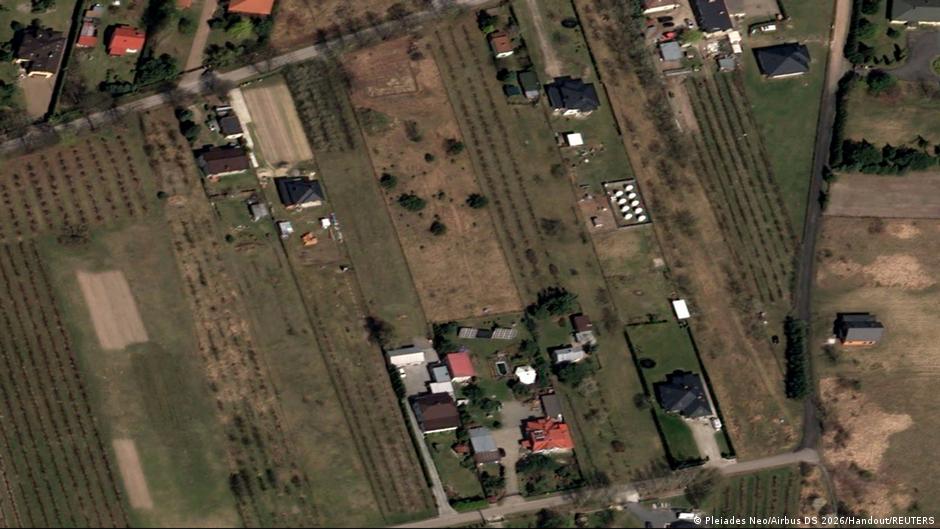
Drone Incursions Raise Operational Risk for Businesses Across Moldova
Five airspace breaches in one day highlight mounting security, infrastructure and continuity challenges for companies operating in Moldova.
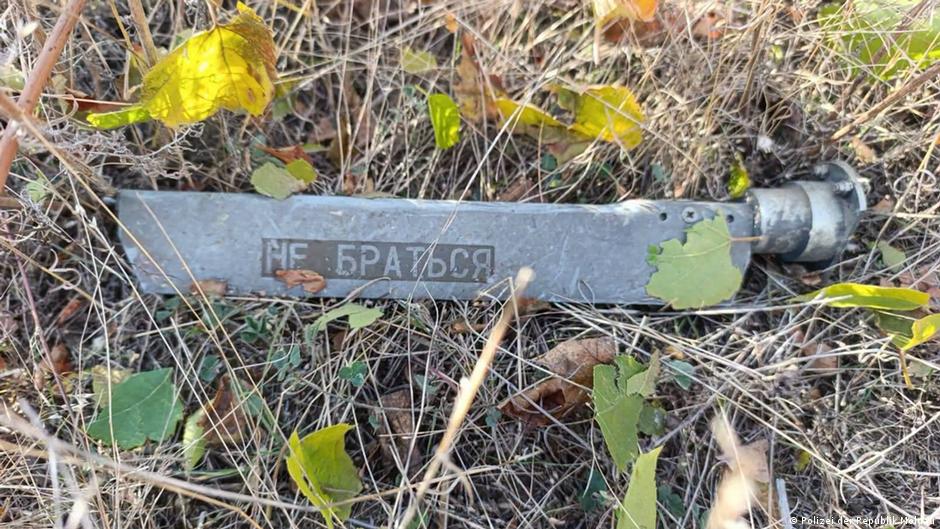
Moldova recorded five drone incursions into its airspace on October 16, including one unmanned aircraft that fell and exploded near the village of Novye Kodryany, about 50 kilometers from the Ukrainian border, according to the country’s Defense Ministry. The incidents represent a growing operational risk for companies in a market already exposed to the regional consequences of Russia’s full-scale war against Ukraine.
The Defense Ministry said the drone entered Moldovan airspace illegally at 4:22 p.m. local time. At 5:06 p.m., the authorities announced that the aircraft had crashed and exploded. Moldovan police subsequently published a photograph of the wreckage on Facebook.
No casualties were reported in connection with the October 16 crash. Nevertheless, repeated incursions can affect corporate planning well beyond the locations where debris lands. Businesses must consider the potential consequences for employee safety, logistics, insurance coverage and continuity arrangements, particularly in districts close to the Ukrainian border.
Repeated airspace violations create a security issue for Moldova and an expanding risk-management challenge for companies with operations, staff or supply routes in the country.
Security incidents become a management concern
Moldova’s Foreign Ministry strongly condemned the repeated violations, warning that such incidents put citizens’ safety at risk. It also called on Russia to stop its attacks against Ukraine immediately and comply with international law, including Moldova’s sovereignty and territorial integrity.
The government’s response frames the incursions as more than isolated aviation events. For senior management teams, the pattern raises questions about crisis protocols and the resilience of local operations. Companies may need to review how they communicate with employees during security alerts, whether critical functions can continue from alternative locations and how quickly business travel or deliveries can be adjusted.
Those decisions are especially relevant for businesses whose facilities, warehouses or transport routes are concentrated near Moldova’s eastern regions. Even when an incident causes no direct damage, uncertainty can produce indirect costs through delays, precautionary shutdowns or changes in staffing. The source data do not quantify any commercial disruption, but the frequency of the violations makes preparedness an increasingly important management issue.
Several hours before reporting the crash, Moldova’s Defense Ministry said the country’s airspace had been breached seven times since October 10 against the backdrop of Russian attacks on Ukraine. Six of those incidents involved drone flights: two occurred on October 15 and four during the night leading into October 16.
The remaining incident was the October 10 crash of a drone carrying explosives in Geamana, a community located approximately 50 kilometers from the Ukrainian border. The presence of explosives increases the potential severity of such events and reinforces the need for companies to distinguish between general geopolitical exposure and immediate physical-security risks.
A deteriorating risk profile
The Defense Ministry said Moldova has documented 64 airspace violations since the beginning of the year. Sixteen of those cases, including the October 16 incidents, occurred during October. Since 2022, when Russia launched its full-scale war against Ukraine, the cumulative number of violations has reached 101.
The figures indicate that the exposure is recurring rather than exceptional. This can influence how investors, insurers and corporate boards assess Moldova. A sustained pattern of incursions may require businesses to incorporate security events into routine planning instead of treating them solely as emergency scenarios.
For companies considering acquisitions, new facilities or other long-term commitments in Moldova, location-specific risk is likely to become a more prominent part of due diligence. Potential buyers may examine the resilience of target companies’ supply chains, the geographic distribution of assets and the adequacy of business-continuity procedures. Existing operators may similarly reassess whether key personnel, inventory and technology infrastructure are too heavily concentrated in one area.
The incidents could also affect competitive dynamics. Larger companies may have more resources to maintain backup systems, alternative transport arrangements and dedicated security teams. Smaller businesses, by contrast, may face greater pressure from the cost of insurance, duplicated infrastructure or temporary interruptions. At the same time, local companies with established contingency plans may gain an advantage over competitors that are less prepared for regional disruption.
Earlier in the month, on the morning of October 3, three missiles and two drones violated Moldovan airspace. All five fell inside the country. No deaths or injuries were reported. Moldova’s Defense Ministry said that incident resulted from large-scale Russian strikes against Ukraine.
For Moldova’s business community, the absence of casualties does not remove the strategic significance of the pattern. The central management challenge is to prepare for low-frequency but potentially severe events without allowing security concerns to paralyze investment or day-to-day operations. The October 16 incursions add urgency to that calculation, showing how developments in the war can cross national borders and quickly become corporate risk factors.