US Tightens Financial Sanctions on Cuban Leadership Amid Escalating Bilateral Tensions
Washington imposes new sanctions targeting Cuban President Díaz-Canel and Castro family members, intensifying pressure amid deteriorating US-Cuba relations.
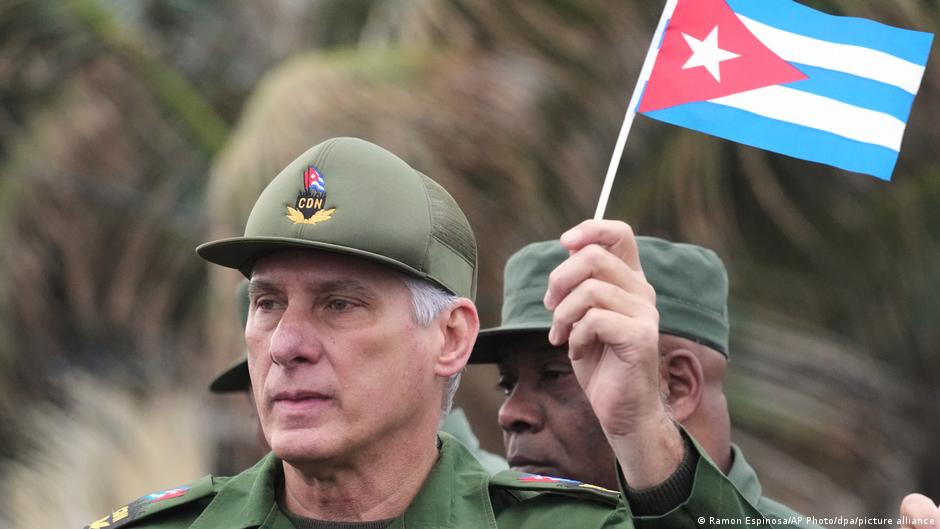
The United States has expanded its sanctions regime targeting senior Cuban officials, including President Miguel Díaz-Canel and several members of former leader Raúl Castro's family. This latest move forms part of a sustained effort by Washington to exert economic and political pressure on Havana amid ongoing bilateral tensions.
Strategic Sanctions Targeting Cuba’s Political Elite
On June 4, the US Treasury Department announced the imposition of new economic sanctions against Cuba’s president, his wife, and stepson, as well as Raúl Castro's son and a grandson. These measures follow earlier restrictions imposed by the US State Department against Díaz-Canel in July 2019.
Raúl Castro, the 95-year-old brother of revolutionary leader Fidel Castro, no longer holds official government positions but remains an influential figure in Cuba's decision-making. The US has recently leveled accusations against him involving the 1996 downing of two civilian aircraft, which resulted in four fatalities.
“These sanctions reflect a strategic shift to directly target individuals within Cuba’s ruling elite, aiming to disrupt entrenched power structures that underpin the regime,” said an expert on US-Cuba relations.
Washington’s tightening of sanctions reflects a broader geopolitical strategy amid deteriorating relations. Cuban authorities have condemned these actions as provocations and attempts to justify potential military interventions. Meanwhile, US President Donald Trump has repeatedly threatened to exert tighter control over the island nation.
Economic and Geopolitical Context
Located just 145 kilometers from Florida’s southern tip, Cuba has been subject to a comprehensive US economic embargo since 1962. The island is currently grappling with its most severe economic crisis since the collapse of the Soviet Union, suffering from widespread power outages and fuel shortages.
Further exacerbating Cuba’s economic woes, Washington played a pivotal role in the January 2020 capture and removal of Venezuelan President Nicolás Maduro to the US. Venezuela, once Cuba’s primary oil supplier, subsequently ceased exports to the island under US pressure. This disruption has significantly deepened the crisis in Cuba, undermining its energy security and economic stability.
The latest round of sanctions illustrates the Trump administration’s strategy of combining diplomatic isolation with targeted financial restrictions to destabilize the Cuban government. Analysts suggest that these measures could have ripple effects on Cuba’s corporate governance and state-controlled economic entities, potentially accelerating internal reforms or further entrenching the regime’s resistance to change.