Ukraine Appeals to UN Security Council Amid Russian Attacks on Black Sea Trade Routes
Ukraine calls for urgent UN Security Council meeting as Russia targets civilian shipping, threatening global food supply and maritime security.
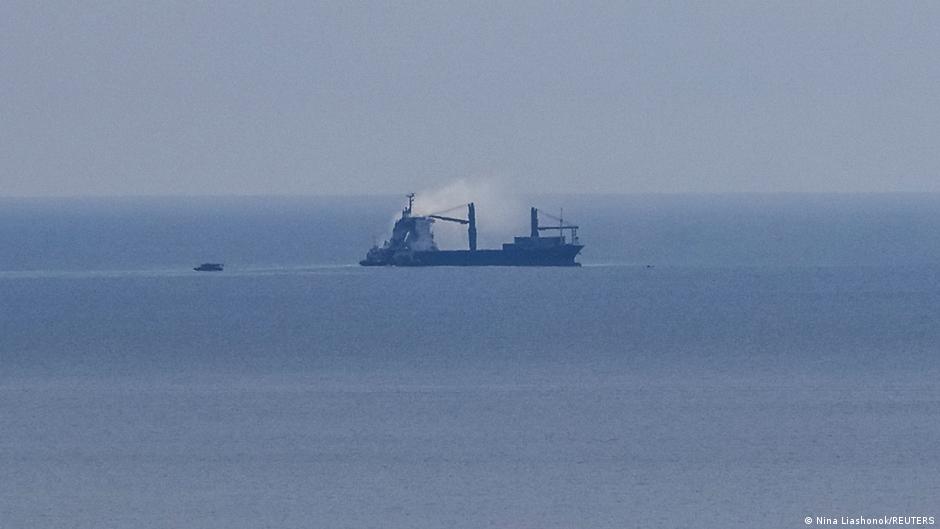
Ukraine has formally requested an emergency session of the United Nations Security Council scheduled for July 27, in response to recent attacks by Russia on civilian merchant vessels in the Black Sea. These assaults pose a significant threat to critical maritime trade routes, which are vital for both regional economies and global food security.
Strategic and Economic Implications of Black Sea Attacks
Speaking on July 22, Ukrainian Foreign Minister Andriy Sybiha characterized Russia's actions as deliberate "economic and humanitarian terror." He warned that these attacks endanger the stability of the international food market, potentially resulting in price surges and hunger crises impacting millions of households across Africa, Asia, the Middle East, and Latin America.
"If this terror continues, millions of families in Africa, Asia, the Middle East, and Latin America may face rising prices and hunger," Sybiha stated, underscoring the global consequences of regional conflict.
The attacks disrupt the Black Sea maritime corridor, a key artery for Ukraine’s export-driven economy. Despite these challenges, Ukrainian authorities report that the port of Chornomorsk, one of Ukraine's largest and a critical hub within the Greater Odessa port system, remains operational and continues to facilitate exports under challenging circumstances.
However, on July 22, no vessels reportedly passed through Ukraine's maritime corridor, highlighting the immediate impact of the security threats on shipping operations.
Diplomatic and Security Coordination Amid Crisis
In the days leading up to the UN Security Council appeal, Minister Sybiha engaged in high-level diplomatic talks to coordinate responses to the evolving security situation. Notably, he discussed with German Foreign Minister Johann Wadephul the restoration of freedom of navigation and enhancement of maritime security in the Black Sea. The dialogue also covered the strengthening of Ukraine's air defense systems and deepening bilateral cooperation in defense industry sectors.
Similarly, Sybiha held talks with Estonian Foreign Minister Margus Tsahkna, focusing on aligned strategies to bolster Ukraine's defense capabilities and contribute to regional and European security.
On the military front, Ukrainian unmanned systems forces reported attacking a significant number of Russian vessels — targeting 126 ships related to Russia's so-called "shadow fleet" in the Azov Sea and 70 ships in the Black Sea between July 6 and July 22. These engagements demonstrate Ukraine’s active efforts to counter maritime risks and assert control over critical waterways.
Broader Impacts and Corporate Considerations
The ongoing conflict and its maritime dimension present considerable challenges for corporate stakeholders involved in shipping, logistics, and commodity trading. The disruption of Ukrainian export routes threatens supply chains and could lead to volatility in global commodity markets, particularly for agricultural products where Ukraine plays a pivotal role as a grain exporter.
Companies with exposure to Black Sea logistics must assess geopolitical risks carefully and consider contingency strategies, including alternative routes and insurance coverage adjustments. Furthermore, the interplay between military actions and diplomatic negotiations will likely shape the operational landscape for the foreseeable future.
Ultimately, the Ukrainian government’s appeal to the UN Security Council signals both the severity of the situation and Ukraine's intent to mobilize international support to safeguard critical trade infrastructure and maintain global market stability.