Russia's July Oil and Gas Revenues Projected 60% Higher Year-on-Year Amid Price Surge
Rising global oil prices drive a significant uplift in Russia's July oil and gas income, despite sanctions and annual cumulative declines.
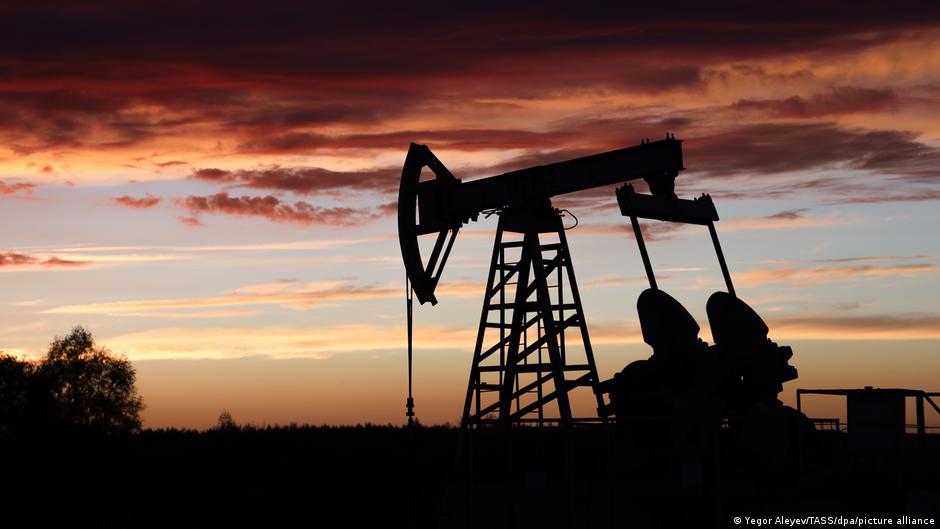
Russia's revenues from oil and gas sales in July 2026 are projected to exceed last year's figures by approximately 60%, driven primarily by rising global oil prices, according to calculations published by Reuters on July 23.
As the world's third-largest oil producer and exporter after the United States and Saudi Arabia, Russia's oil and gas sector remains a critical pillar of its federal budget, accounting for about one-fifth of total revenues. The notable increase in July revenues is attributed to elevated international oil prices and a substantial rise in profits from oil extraction taxation during the second quarter of 2026.
Strategic Implications Amid Sanctions and Revenue Volatility
Despite this monthly surge, Russia's cumulative oil and gas revenues from January through July 2026 are estimated to be approximately 11% lower than the same period in 2025, totaling 4.9 trillion rubles. Official Ministry of Finance data on July revenues is scheduled for release on August 5.
Last year saw a 24% contraction in Russia's federal budget income from the oil and gas sector, dropping to 8.48 trillion rubles—the lowest since 2020—as reported by Reuters. This downward trend reflects ongoing challenges including fluctuating global demand, price volatility, and geopolitical pressures.
"The July revenue growth underscores the sensitivity of Russian oil income to global price dynamics, even as cumulative annual figures reveal broader economic pressures."
On July 23, the European Union implemented its 21st package of sanctions targeting the Russian economy. These measures specifically aim to curtail revenues accruing from oil sales, which EU authorities assert fund Russia’s continued military activities in Ukraine. The sanctions add a complex layer to Moscow’s fiscal strategies, impacting long-term revenue stability and necessitating adaptive management within Russia’s energy sector.
For Russian corporate and government strategists, these developments highlight a critical juncture. While short-term gains from favorable market conditions offer budgetary relief, sustained economic resilience requires navigating an increasingly constrained international environment. Management decisions concerning production volumes, pricing strategies, and export routes will be pivotal in maintaining competitiveness amid sanctions and evolving global energy markets.