Rosneft Advisor Predicts Prolonged Russian Conflict Impacting Generations and Economy
Senior advisor to Rosneft head forecasts Russia's state of war could last decades, urging strategic economic and defense restructuring
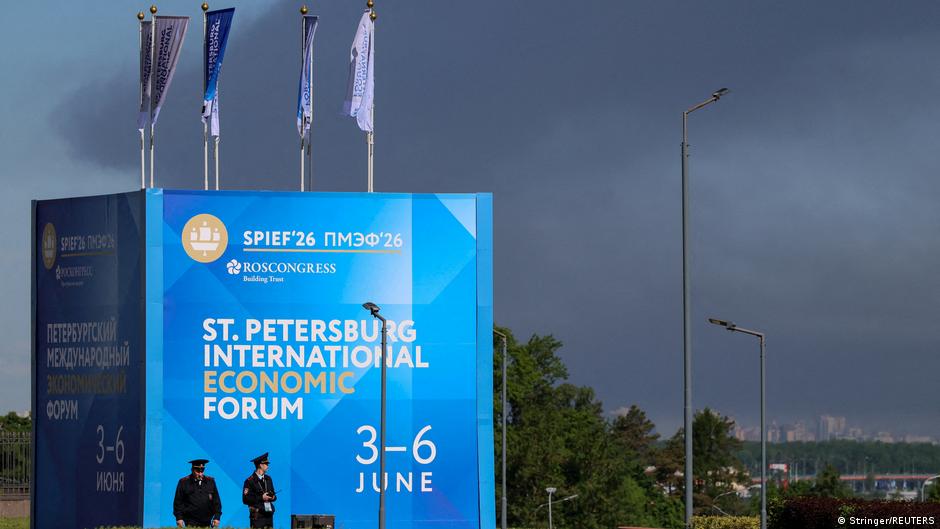
At the recent St. Petersburg International Economic Forum (SPIEF), Andrey Bezrukov, a seasoned political analyst and advisor to Rosneft CEO Igor Sechin, presented a sobering assessment of Russia’s geopolitical outlook. Bezrukov predicted that Russia may remain in a state of war for several years, potentially extending into "a couple of decades," affecting two generations in a manner that they could be considered "practically at war."
Long-Term Strategic Implications for Russian Corporate and State Planning
Bezrukov stressed that Russia will need to adapt its state and economic systems to not only pursue development objectives but also fulfill defense requirements. This dual-purpose restructuring implies a fundamental shift in national strategy, affecting corporate governance, investment priorities, and industrial planning across sectors.
"We need to build a state system and economy that serves not only development but also defense," Bezrukov stated, emphasizing the necessity of enduring resilience amid ongoing conflict.
The prospect of a protracted conflict suggests that Russian corporations, especially state-controlled entities like Rosneft, must recalibrate their strategic approaches. This includes risk management for sustained geopolitical tension, supply chain adjustments to mitigate sanctions and disruptions, and innovation investment focusing on defense technologies.
Moreover, Bezrukov highlighted emerging threats such as "biological warfare," citing technologies capable of creating viruses that could pose existential risks. While such claims are aligned with Russian narratives regarding external threats, they underscore the increasing importance of integrating biosecurity within corporate and governmental risk frameworks.
Bezrukov’s background is notable; a former Soviet and Russian intelligence officer (SVR colonel), he has firsthand experience in clandestine international operations. His insights carry weight in understanding how Russia’s political-military leadership may shape long-term policy and corporate strategic directions.
Recent Security Incidents Amplify Operational Risks for Businesses
Bezrukov’s warnings coincide with recent security challenges in St. Petersburg and the Leningrad region. On June 3, dozens of drone attacks targeted the city, causing explosions and fires, including at the major petroleum terminal of the city, a critical hub for fuel exports and refining. These events disrupted mobile internet services and led to the activation of emergency protocols at Pulkovo Airport, delaying numerous flights.
These incidents exemplify the operational risks faced by companies operating in Russia, particularly in strategic sectors such as energy and logistics. Infrastructure vulnerability and deteriorating security conditions necessitate robust contingency planning and increased investment in protective measures.
From a corporate governance perspective, management teams must incorporate conflict-related scenarios into their strategic risk assessments. This includes evaluating supply chain resilience, labor force stability, and regulatory uncertainties arising from prolonged geopolitical strife.
Broader Implications for Russia’s Competitive Landscape
The envisaged protracted conflict signals a challenging environment for foreign investment and joint ventures, as geopolitical tensions and sanctions regimes are unlikely to abate swiftly. Russian firms may pivot toward self-reliance, import substitution, and closer integration with allied economies.
For multinational corporations, this environment calls for cautious engagement, enhanced due diligence, and adaptive market strategies that can navigate the complexities of prolonged instability.
Bezrukov’s candid assessment highlights the imperative for Russian state-linked enterprises to align their corporate strategies with the realities of an enduring conflict, balancing economic growth with sustained defense readiness and operational resilience.