Drone Strikes Halt Yaroslavl Refinery, Deepening Russia’s Fuel Supply Strain
Damage at Slavneft’s YANOS refinery has stopped crude processing and fuel shipments, adding pressure to Russia’s already strained downstream market.
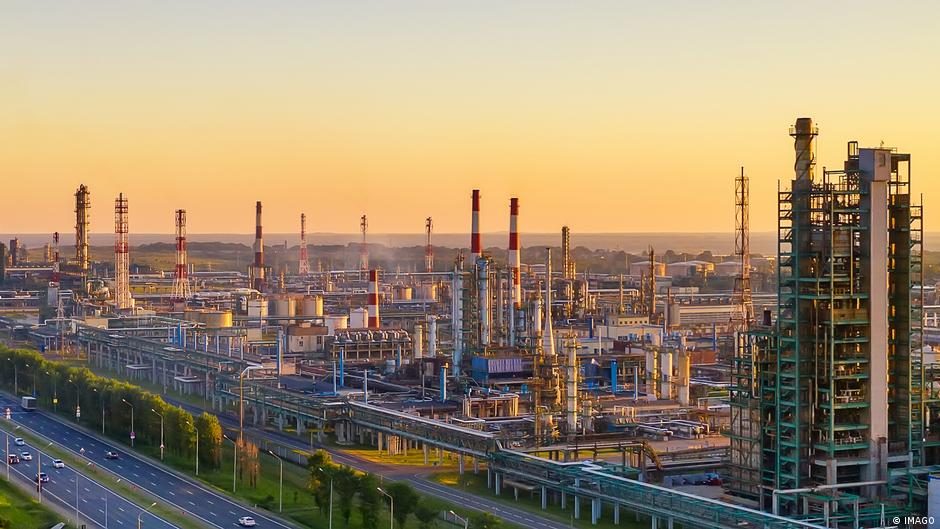
Slavneft-Yaroslavnefteorgsintez, the Yaroslavl refinery known as YANOS, has halted oil processing and fuel shipments after another Ukrainian drone attack damaged core refining equipment, according to Reuters. The disruption affects one of Russia’s largest refineries and a facility that supplied fuel to the Moscow region, making the outage significant not only operationally but also strategically for Russia’s domestic fuel market.
Reuters reported on Thursday, September 17, citing four industry sources, that the plant stopped processing crude and suspended fuel loadings after the latest attack. The Yaroslavl facility is ranked among Russia’s top 10 refineries, and some media place it among the country’s five largest oil-processing plants by volume of crude throughput. Its stated annual capacity is 15 million tons of oil.
The immediate business impact stems from damage to the AVT-3 crude processing unit, which industry sources said accounted for 40 percent of the plant’s capacity. The attack occurred overnight on September 17. Yaroslavl region governor Mikhail Yevrayev confirmed damage and a fire at the plant, with firefighters spending several hours extinguishing the blaze.
Reuters reported that YANOS stopped crude processing and fuel shipments after the latest drone strike, citing four industry sources.
A concentrated hit to refining capacity
The latest stoppage follows an earlier strike on the same facility. Overnight on August 28, another unit, AVT-4, was knocked out of operation, according to media reports. That unit provided about 33 percent of YANOS capacity and had not resumed operations before the September 17 attack. With AVT-3 and AVT-4 both affected, the refinery’s ability to operate at normal scale has been sharply constrained.
The damage also interrupts YANOS’s market-facing role. After the attacks, the refinery halted exchange-traded fuel shipments. Before the disruption, the plant’s AVT-3 unit alone could process about 17,000 metric tons of crude per day. On an annual basis, YANOS supplied markets with more than 2.6 million tons of gasoline and 4 million tons of diesel, including fuel deliveries to the Moscow region.
For management and shareholders, the problem is broader than a single repair cycle. Refining assets are capital-intensive, technically complex, and difficult to substitute quickly. When primary crude units are disabled, companies face a combination of lost throughput, lower product availability, logistical bottlenecks, and potentially higher costs for rerouting supplies. The outage also exposes the vulnerability of centralized refining capacity at a time when physical infrastructure has become a recurring target.
Pressure spreads across regional supply chains
YANOS is already the second major refinery in the region to suspend operations in September because of the consequences of drone attacks. Since September 6, Rosneft’s refinery in Ryazan has not been shipping fuel. That facility has a capacity of 17 million tons of oil per year, making its interruption another major constraint on Russia’s downstream system.
The combined effect of outages at large plants changes the competitive and logistical landscape for Russian fuel distribution. Refineries that remain operational may gain greater importance in supplying internal markets, while distributors and filling-station networks face tighter availability and more volatile sourcing. In regions dependent on affected plants, shortages can emerge even when national production statistics appear more resilient on paper.
Since the start of Russia’s full-scale war against Ukraine, the Yaroslavl refinery has repeatedly been targeted by Ukrainian drones. In 2026, fires occurred at the facility at least eight times. That pattern suggests a recurring operational risk that refinery managers cannot treat as isolated. It also complicates maintenance planning, inventory strategy, insurance considerations, and decisions about whether to invest in hardening infrastructure or diversifying supply routes.
Ukrainian strikes on Russian oil-refining assets contributed to a fuel crisis in Russia over the summer. The Kremlin and President Vladimir Putin personally have been reluctant to acknowledge the scale of the problem. Putin has described fuel difficulties as “temporary” and said attacks on refineries are “not able to affect events taking place on the front.”
Market shortages and political calculations
Data from Gdebenzin, a service that aggregates Russian fuel-search websites and services, indicated that in mid-September AI-92 and AI-95 gasoline were unavailable at roughly half of the country’s filling stations. The figures varied from day to day, but a chart cited by Novaya Gazeta Europe showed that an acute fuel shortage had continued in Russia since mid-August.
For the Russian state and major oil companies, the refinery outages create a strategic management problem. Domestic fuel stability is both an economic and political priority, especially when disruptions affect widely used gasoline grades. Companies must balance refinery repair work, domestic market obligations, exchange shipments, and possible shifts in product flows. The state, meanwhile, must manage public messaging while responding to shortages that are visible to consumers at filling stations.
The situation has also acquired a diplomatic dimension. In mid-September, Kremlin spokesman Dmitry Peskov responded positively to U.S. President Donald Trump’s idea of an “energy truce,” which would involve a halt to Ukrainian attacks on Russian refineries. When asked whether Russia would in return stop strikes on Ukrainian infrastructure, Peskov did not answer.
From a business perspective, that exchange underlines how refinery operations have become intertwined with military strategy and international bargaining. The YANOS shutdown is not only a plant-level incident; it is part of a wider contest over energy infrastructure, supply resilience, and the economic costs of prolonged war. With two major regional refineries disrupted in September and shortages persisting since mid-August, Russia’s downstream sector faces a test of operational redundancy and crisis management.