Germany’s Foreign Minister Defends International Criminal Court Amid U.S. Opposition
Germany reaffirms support for the ICC as the U.S. escalates diplomatic and economic pressures against the court.
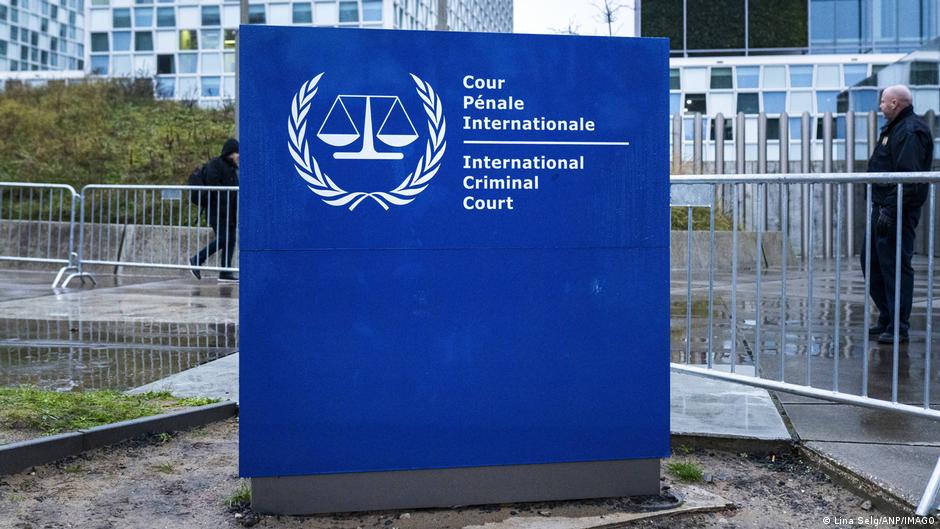
The International Criminal Court (ICC) continues to face significant geopolitical challenges as the United States intensifies its campaign against the Hague-based tribunal. Germany's Foreign Minister Johann Wadephul has publicly defended the ICC, emphasizing its crucial role in promoting global justice and security.
Defending the ICC’s Institutional Role
In an interview with the German media group Redaktionsnetzwerk Deutschland (RND) published on July 15, Wadephul underscored the ICC's contribution to holding perpetrators of severe crimes accountable, citing prosecutions related to recruitment of child soldiers and other crimes against humanity. He acknowledged the court's imperfections but argued that these should not undermine the legitimacy of the institution itself.
"International Criminal Court makes the world safer and fairer," Wadephul stated, highlighting the importance of preserving the ICC as an independent global judicial institution.
The German Foreign Minister further reiterated Berlin's commitment to an international legal order based on rules and respect for multilateral institutions. Supporting the ICC aligns with Germany’s broader foreign policy strategy of upholding the international system of laws and norms.
U.S. Campaign Against the ICC and the Broader Geopolitical Context
Contrasting with Germany’s position, the U.S. government has escalated its opposition to the ICC, accusing the court of threatening American sovereignty. On July 13, the State Department announced a comprehensive campaign to counter the ICC’s jurisdictional claims over U.S. military personnel and officials.
Washington’s statement emphasized the United States has never consented to ICC jurisdiction and that all U.S. presidents since the court’s inception have maintained this stance. The ICC’s ongoing investigations into alleged misconduct by American soldiers and intelligence operatives have fueled the U.S.'s determination to limit the court’s influence.
The campaign includes diplomatic efforts to persuade other countries to reconsider their cooperation with the ICC, urging them to withdraw from the court’s membership and reject prosecutions targeting American personnel. Additionally, the U.S. is considering travel bans and enhanced sanctions against ICC officials and affiliates.
Such measures form part of a broader strategy to "systematically suppress" the ICC’s capacity to operate effectively, as articulated by U.S. Secretary of State Marco Rubio, who described the ICC’s actions as a legal and political challenge rather than a military one.
European Union’s Support for the ICC
Echoing Germany’s position, a spokesperson for the European Commission dismissed claims that the ICC endangers national sovereignty. Anwar al-Anuni stressed that threats or intimidation against ICC personnel are unacceptable and reaffirmed the EU’s support for the court as a key pillar of international justice.
Brussels maintains that the ICC targets individuals, not sovereign states, and therefore poses no threat to national sovereignty. This stance underscores the European Union’s strategic interest in maintaining multilateral institutions that uphold international law, which is crucial to its foreign policy and international engagement.
Implications for Corporate and Geopolitical Strategy
The ongoing tensions between Washington and the ICC have broader implications for multinational corporations and international partnerships, especially those operating in geopolitical hotspots or in sectors sensitive to regulatory and legal risks. Companies must navigate an increasingly complex landscape where international institutions like the ICC intersect with national security concerns and diplomatic frictions.
German and European support for the ICC signals a commitment to the rule of law that may influence regulatory frameworks and international cooperation mechanisms. Meanwhile, U.S. opposition reflects a prioritization of national sovereignty that could shape bilateral relations and affect international arbitration and compliance landscapes.
As the U.S. pursues a multi-pronged campaign against the ICC, multinational businesses and policymakers alike need to monitor developments closely, balancing compliance with evolving international legal standards against bilateral and multilateral political dynamics.