US Plans Revival of Iraq-Syria Oil Pipeline to Bypass Strait of Hormuz and Reduce Iranian Influence
Washington pursues strategic energy infrastructure restoration involving Chevron and international partners to reshape Middle East oil export routes.
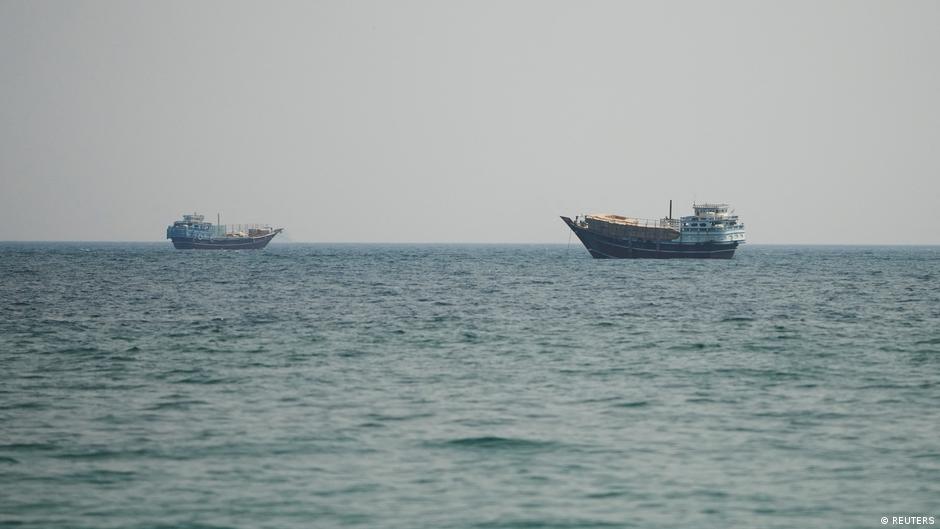
The United States government is advancing negotiations to restore a long-dormant oil pipeline between Iraq and Syria, aiming to establish an alternative export route that bypasses the Strait of Hormuz and diminishes Iran's leverage on global energy supplies. This move aligns with Washington's broader strategy to secure energy pathways and reduce dependence on geopolitically sensitive chokepoints.
Strategic Implications and Corporate Involvement
The pipeline, running from Kirkuk in northern Iraq to Banias on Syria's western coast, has been inactive for more than two decades. Recent discussions, involving senior US officials—including Special Presidential Envoy Thomas Barrack—as well as representatives from Iraq, Syria, and major corporations such as Chevron Corporation, aim at rehabilitation and potential expansion of this infrastructure.
"The US administration anticipates active participation from American energy firms in the reconstruction efforts," a State Department representative confirmed.
Negotiations reportedly consider multiple routing options, with an emphasis on revitalizing the original Kirkuk-Banias route. The initiative is part of a larger vision to develop Syria as a regional export hub, with other global companies like France's TotalEnergies SE, TI Capital from Los Angeles, and Qatar's UCC Holding also involved in related talks.
Challenges Amid Regional Instability
However, the project faces significant obstacles. The prospective pipeline corridors traverse volatile areas such as Iraq's western Anbar province and eastern Syria, regions still affected by insurgent activity from groups like the Islamic State. Investors and stakeholders must weigh the risks associated with the security situation and the political environment shaped by Syria's ongoing post-civil war stabilization efforts.
The White House has emphasized the urgency of establishing reliable alternatives to the Strait of Hormuz, a critical yet vulnerable maritime passage through which a substantial portion of the world's oil shipments currently flow.
In a recent meeting at the White House, President Donald Trump and Iraqi Prime Minister Ali Al-Zaydi discussed imminent large-scale oil partnerships, signaling high-level commitment to these energy initiatives. Notably, the US administration recently reversed plans to impose a 20% tariff on maritime cargo, shifting focus instead to deriving revenue through trade agreements with Gulf states.
Corporate Strategy and Market Impact
The potential revival of the Iraq-Syria pipeline represents a significant corporate opportunity for US and allied energy companies seeking to expand their foothold in Middle Eastern oil markets. By enabling oil exports via a land route that avoids Iranian-controlled waters, these firms can mitigate geopolitical risks and diversify supply chains.
For Chevron and other participants, engaging in this infrastructure project aligns with strategic goals to enhance energy security and market access amid increasing regional tensions.
Overall, the initiative underscores a complex interplay of corporate strategies, international diplomacy, and regional security dynamics shaping the Middle East's evolving energy landscape.