Germany Sees Sharp Rise in Military Service Refusals Amid Security Concerns and Reform
Number of conscientious objection applications in Germany surged to 5,862 in H1 2027, driven by new conscription reforms and security tensions.
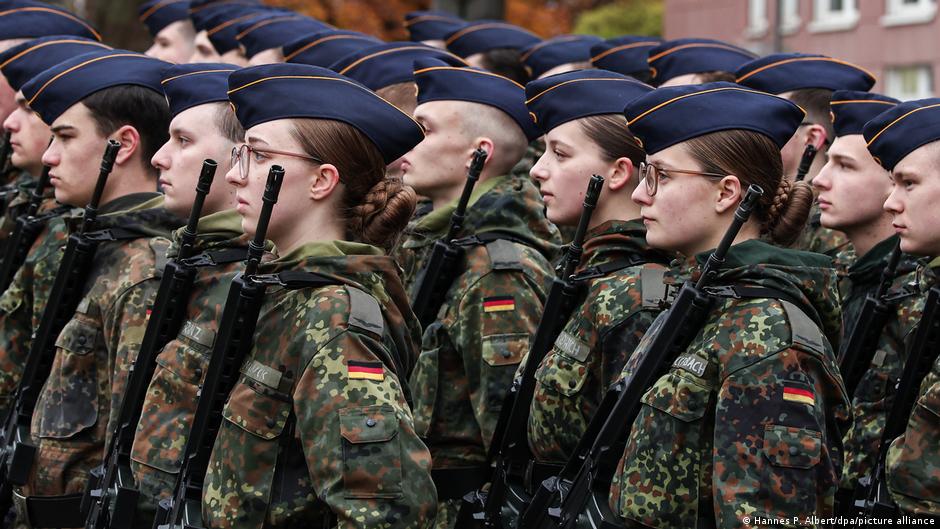
Germany has experienced a significant increase in the number of individuals refusing military service during the first half of 2027, reflecting growing unease amid security challenges and major legislative changes in conscription policies.
Rising Refusals Amid Security and Conscription Reform
According to data from the Federal Office for Family and Civil Society Affairs (BAFzA), 5,862 applications to refuse military service were received by June 30, 2027. This figure far exceeds the total refusals submitted throughout 2025 (3,867) and 2024 (2,998), indicating a notable upward trend.
For perspective, in 2011—the year mandatory military service was suspended—there were 4,348 recorded refusals. The recent spike coincides with the implementation of a new conscription reform law that came into effect on January 1, 2027, and ongoing security tensions across Europe.
"The increase in military service refusals reflects both the heightened security environment and uncertainties surrounding the new conscription legislation," a BAFzA spokesperson noted.
The reform mandates compulsory medical examinations for all 18-year-old males starting July 1, 2027, to assess their fitness for military duty, regardless of their intent to voluntarily enlist. This marks a shift toward closer monitoring of the potential recruit pool under Germany’s evolving defense posture.
Strategic Implications for Bundeswehr and National Security
Although mandatory conscription was suspended in 2011, it remains enshrined in the German Basic Law, allowing the Bundestag to reinstate service obligations if volunteer recruitment targets are not met. The so-called "mandatory service if necessary" model is under consideration as part of Germany's broader effort to increase Bundeswehr personnel from 186,000 active service members to 260,000 by 2035.
Despite the suspension, conscientious objection is still protected under Article 4, Paragraph 3 of the Basic Law, enabling individuals to refuse armed service on grounds of conscience. Importantly, applications to refuse service can be submitted not only by prospective conscripts but also by reservists and active military personnel.
Interestingly, some individuals are withdrawing their previously submitted refusals. Reports indicate that in 2026, 781 such revocations were filed, with 233 cases recorded in the first quarter of 2027 alone. This dynamic suggests an ongoing reassessment by some regarding their willingness to serve under changing circumstances.
Corporate and Defense Sector Outlook
The surge in refusal applications poses challenges for the Bundeswehr’s recruitment and retention strategies, compelling defense planners and policymakers to balance legislative reforms with public sentiment and security imperatives. Companies operating in the defense sector may need to adapt to potential fluctuations in military personnel availability, affecting demand for training, equipment, and support services.
Given Germany’s pivotal role in European security frameworks, these developments bear watching for their broader impact on defense readiness, labor markets, and government resource allocation.