US Military Strikes Target Iran to Disrupt Maritime Threats in Strait of Hormuz
US forces launched new attacks on Iranian sites aiming to undermine Tehran's capability to threaten commercial shipping in the Strait of Hormuz.
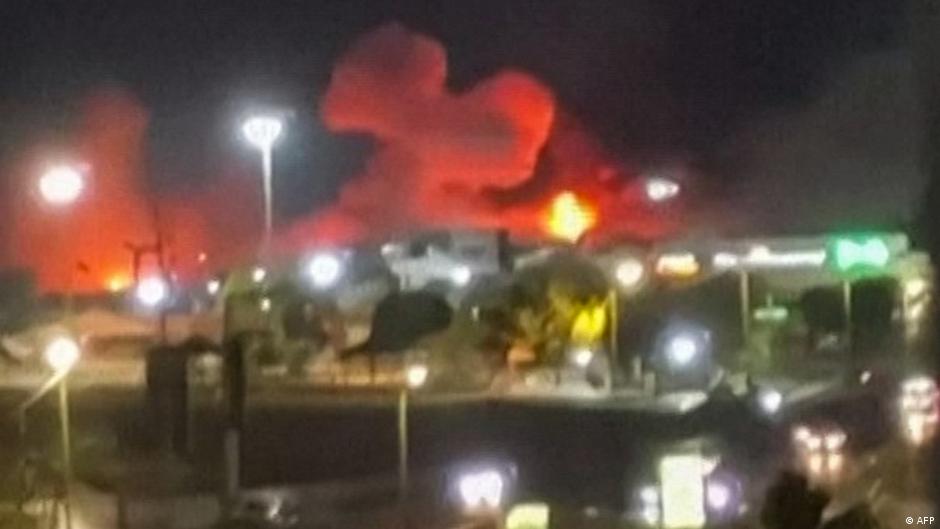
The US military has intensified its operations targeting Iran to disrupt its ability to attack civilian and commercial vessels navigating the Strait of Hormuz, a critical chokepoint for global oil trade. This escalation follows a series of tit-for-tat attacks between the two countries and heightened tensions in the Persian Gulf region.
Strategic Military Actions and Regional Impact
In the early hours of July 13, the United States Central Command (CENTCOM) announced a new wave of strikes against Iranian military installations. The purpose of these operations, according to CENTCOM, is to continue degrading Iran's capacity to target civilian mariners and commercial ships passing through the Strait of Hormuz without hindrance. The strikes were authorized by the US Commander-in-Chief as a means to contain the Iranian regime's aggressive actions in the region.
"The Supreme Commander ordered these strikes to deter the Iranian regime," a CENTCOM spokesperson stated on social media platform X.
Iranian state media reported explosions near strategic locations such as west of Bandar Abbas port, the vicinity of Sirik city, Qeshm Island, and the area around Jask city along the strait. Pro-government sources confirmed casualties on Qeshm Island, indicating one dead and two injured. The Islamic Revolutionary Guard Corps (IRGC) subsequently declared the Strait of Hormuz closed until further notice, citing ongoing US military interventions. However, CENTCOM rejected these claims, affirming that Iran does not control the strait and that maritime traffic continues uninterrupted. US President Donald Trump echoed this stance on July 12.
These strikes followed US attacks on roughly 140 Iranian military targets, including missile storage sites, drone facilities, and communication nodes, conducted on July 12 in retaliation for an IRGC assault on the container ship GFS Galaxy. Iran claimed the attack involved warning shots due to the vessel's deviation from routes approved by Tehran.
Following the US actions, Iran launched retaliatory strikes targeting US military installations in Gulf countries like Qatar and Oman, including the Al Udeid Air Base and the port of Duqm, reported to be used by US aircraft carriers. Tehran also reported disabling a second vessel in the Strait on the same day.
Geopolitical Context and Corporate Implications
Since signing a framework agreement on June 17 aimed at de-escalating hostilities and reopening this vital maritime corridor, both Iran and the US have accused each other of violating the truce. Iranian forces have repeatedly targeted commercial vessels since June 25, and the US has responded with military strikes, maintaining a fragile ceasefire status.
President Trump publicly declared on July 8 that the memorandum with Iran was no longer valid, describing Iranian leadership as hostile and unwilling to negotiate effectively. The US has reinstated oil sanctions against Iran, escalating economic pressure amid the military confrontations.
Behind the scenes, Iranian officials have attributed recent attacks on shipping to rogue elements within their system during confidential negotiations with US counterparts, expressing regret and a willingness to engage in further dialogue. However, talks concluded on July 11 without any breakthrough, leaving the future management of the Strait of Hormuz uncertain.
This ongoing conflict poses significant risks to international energy markets and global supply chains, particularly for companies reliant on the free flow of oil through the Persian Gulf. Multinational corporations engaged in maritime shipping, energy production, and regional commerce must monitor these developments closely as the strategic balance remains volatile.
From a corporate strategy perspective, companies operating in the shipping and energy sectors should reassess risk exposure to supply disruptions and geopolitical instability in the region. The potential for escalated conflict underscores the importance of diversifying supply routes, enhancing maritime security measures, and engaging in scenario planning to mitigate operational risks.