Fontainebleau Forest Fire Prompts Arrests Amid Rising Climate and Security Concerns
Two suspects detained for suspected arson following a major fire destroying over 1,300 hectares near Paris.
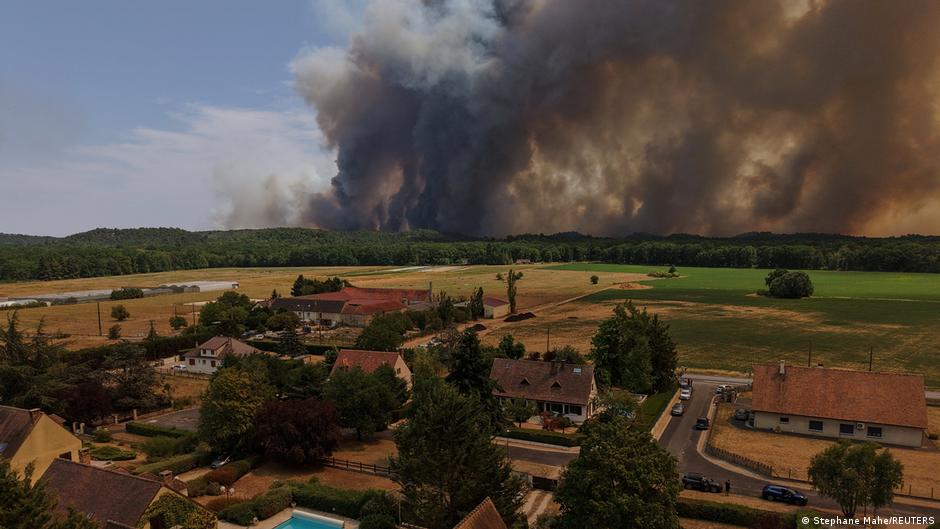
Two individuals have been taken into custody on suspicion of causing a significant wildfire in the Fontainebleau forest, located some 60 kilometers southeast of Paris. The incident, which authorities are investigating as either deliberate or accidental arson, resulted in the destruction of more than 1,300 hectares of forest and forced the evacuation of around 1,000 residents.
Strategic Response and Operational Challenges
The fire, one of the most severe in the Parisian suburbs in recent memory, prompted a large-scale emergency response involving approximately 600 firefighters. Aerial firefighting assets including four Canadair water bombers, two Dash planes, and three helicopters conducted a total of 187 water drops under the coordination of operation commander Jean-Marc Sicard. Despite nightfall, firefighting efforts continued, demonstrating the complexity and scale of the response required.
"A total of 187 water drops were made to control the fire," said Jean-Marc Sicard, highlighting the sustained efforts of emergency services.
Beyond firefighting, the blaze caused significant disruption, including the closure of multiple highways in the region, underscoring the broader economic and logistical impact such natural disasters impose on infrastructure and daily commerce.
Environmental and Security Implications Amid Climate Pressures
This event occurs against the backdrop of France's third heatwave this year, which has intensified the country's vulnerability to wildfires. Nationally, wildfires have scorched approximately 32,000 hectares so far in 2026, nearly double that of the previous year’s comparable period. Law enforcement has responded by detaining 59 individuals suspected of either intentional or negligent fire-setting, a measure reflecting heightened security concerns tied to increasing climate risks.
The Fontainebleau incident also arrives amid broader European climate crises. According to Copernicus Climate Change Service (C3S), June 2026 marked the hottest month on record in Western Europe, with average temperatures soaring about three degrees Celsius above the 1991-2020 June average. This extreme heatwave has been linked to thousands of deaths in Germany alone, illustrating the dire human toll of these shifting climate patterns.
For businesses and policymakers, these developments emphasize the urgent need for enhanced risk management strategies addressing both climate adaptation and public safety. The Fontainebleau fire exemplifies how environmental, social, and governance (ESG) considerations are becoming integral to operational and strategic planning, especially for industries reliant on stable environmental conditions and infrastructure continuity.
Looking ahead, stakeholders must weigh the implications of increasing wildfire frequency and intensity on regional economies, insurance markets, and supply chains. The integration of advanced monitoring technologies, disaster preparedness frameworks, and inter-agency coordination will be critical to mitigating risks and sustaining resilience in the face of climate-induced challenges.