Russian Drone and Missile Strikes on Ukraine Decline in June, Analysts Assess Strategic Implications
June saw a notable drop in Russian drone and missile attacks on Ukraine amid evolving military and industrial factors.
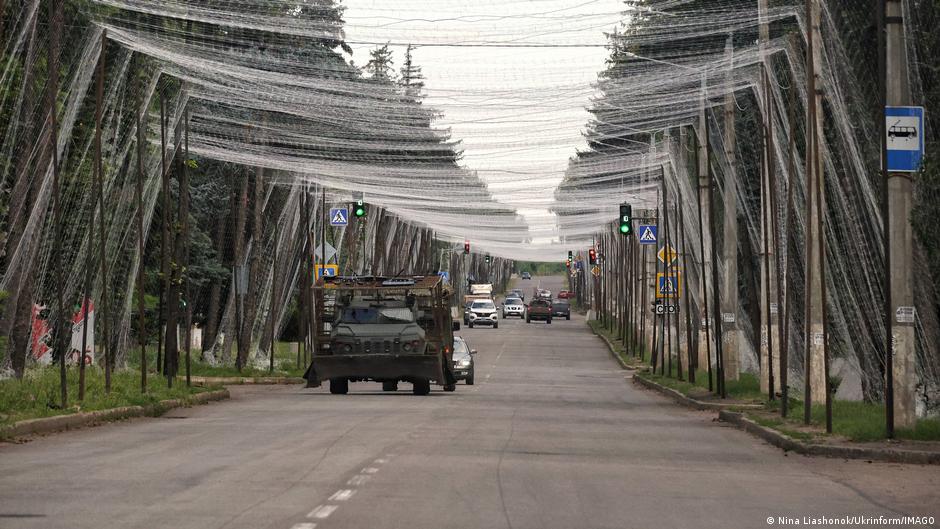
In June 2024, Russia significantly reduced the number of drone and missile strikes against Ukraine compared to May, according to data analyzed by AFP based on Ukrainian Air Force reports. While this decline is noteworthy, experts caution against interpreting it as a definitive strategic shift by Moscow.
Quantifying the Decline in Russian Attacks
Data reveals that in June Russia launched 5,749 drone strikes and 180 missile strikes on Ukrainian targets. This represents a 29% decrease in drone deployments and a 15% decrease in missile launches compared to May. In contrast, May 2024 witnessed record-high levels of assaults, with 8,150 drone strikes and 211 missiles fired, the highest monthly total since Russia’s full-scale invasion began in February 2022.
Despite the apparent drop, analysts from Ukraine and France consulted by AFP suggest the reduced strike frequency may be temporary. The lull could reflect strategic stockpiling ahead of anticipated autumn operations or logistical challenges affecting supply chains.
"It is premature to declare a new trend; Moscow’s operational doctrine remains largely unchanged," noted one expert. "Future drone attacks are likely to continue as part of Russia’s persistent pressure strategy."
Potential Drivers Behind the Reduced Strike Volume
Several factors might explain the June decline. One hypothesis points to constraints within Russia’s defense industrial base, which may be struggling to maintain high production rates amid ongoing sanctions and supply chain disruptions.
Compounding this, the availability of Iranian-made Shahed drones, a critical component of Russia’s drone arsenal, might have diminished due to recent geopolitical frictions involving the United States and Israel. Reduced drone imports could directly impact Russia’s capacity to sustain high-intensity UAV operations.
From a corporate strategy perspective, these developments highlight vulnerabilities in Russia’s military procurement and supply chains that could influence future campaign planning and tactical decisions.
Ukraine’s Response and Impact on Russian Infrastructure
Concurrently, Ukraine intensified its counterstrikes on Russian territory in June, targeting oil refining and fuel storage facilities, including refineries, fuel depots, and ports. These efforts aim to exacerbate Russia’s fuel shortages, which have reportedly reached critical levels.
Additionally, Ukrainian forces claimed successful strikes on defense industry assets, such as the Voronezh semiconductor plant, a key producer of electronics used in Russia’s Iskander missile systems. This suggests a targeted approach to degrade Russia’s military-industrial capabilities and disrupt supply chains for sophisticated weaponry.
The unfolding dynamic reveals an evolving competitive landscape where both sides adjust operational tactics and resource allocations in response to industrial capacities and battlefield realities.
Outlook for Corporate and Military Strategy
While the short-term reduction in Russian attacks may provide temporary relief for Ukraine, the broader strategic context remains fluid. Russia’s ability to replenish drone and missile stocks, resolve industrial bottlenecks, and adapt to sanctions will shape its offensive posture in the coming months.
For defense industry stakeholders and analysts, monitoring production trends, supply chain integrity, and international sanctions will be critical to forecasting the conflict’s trajectory.
Ukraine’s focused targeting of Russian fuel infrastructure and defense manufacturing plants exemplifies a deliberate strategy to weaken Russia’s long-term operational sustainability, potentially influencing Moscow’s corporate defense planning and resource prioritization.