US Extends Temporary License for Serbian Oil Company NIS Amid Gazprom Stake Sale Delays
The US has granted an additional 30-day extension allowing Serbian oil firm NIS to operate under sanctions while Gazprom’s stake sale to MOL remains pending.
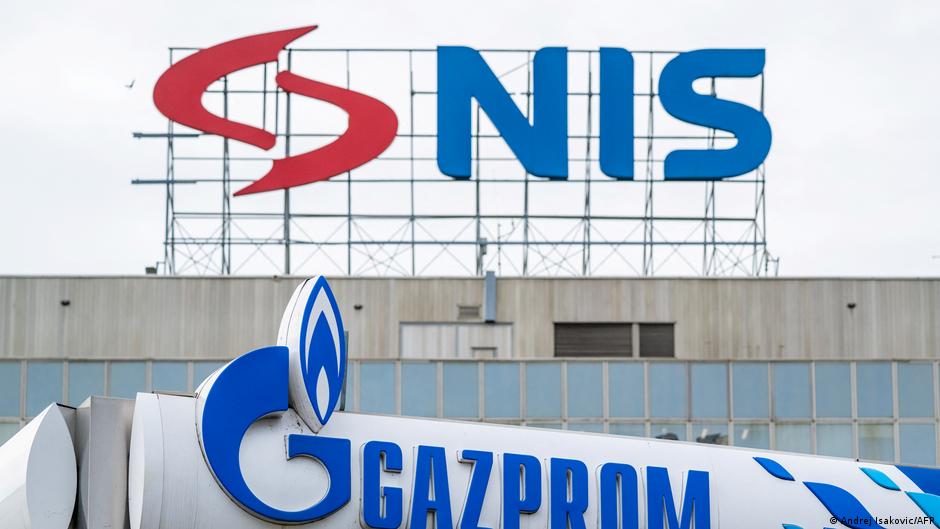
The United States has once again extended the temporary license permitting the Serbian oil company Naftna Industrija Srbije (NIS) to continue operations despite US sanctions targeting the firm's Russian ownership. This latest extension, granted on June 30, 2026, provides an additional 30 days for the completion of the sale of Gazprom's stake in NIS.
According to Serbian Energy Minister Dubravka Đedović-Handanović, the license was issued by the US Treasury Department's Office of Foreign Assets Control (OFAC), enabling NIS to maintain its refinery operations in Pančevo uninterrupted. The refinery continues processing crude oil amid ongoing geopolitical tensions and economic sanctions.
Background of Sanctions and Ownership Structure
NIS was added to the US sanctions list in January 2025 due to Gazprom's ownership interests in the company. Gazprom and its subsidiary, Gazprom Neft, collectively hold a majority stake of 56.2% in NIS, with Gazprom Neft owning 44.9% and Gazprom's investment arm controlling 11.3%. The Serbian government holds the remaining 29.9% share.
The sanctions require Gazprom Neft and its affiliates to divest their holdings in NIS, with the initial deadline set for May 22, 2026. However, OFAC has extended this timeframe multiple times, reflecting the complexities involved in the transaction and geopolitical considerations.
The imposition of sanctions in October 2025 disrupted crude oil supplies through the Adriatic pipeline (JANAF) via Croatia and resulted in a temporary halt in production at the Pančevo refinery. Given NIS’s strategic role in Serbia’s energy supply—meeting 80% of the country’s gasoline and diesel demand, as well as over 90% of its jet fuel and heavy fuel oil needs—the extensions aim to balance sanction enforcement with regional energy stability.
MOL’s Acquisition and Market Implications
On January 19, 2026, Hungarian oil and gas major MOL signed an agreement to purchase the Gazprom and Gazprom Neft stakes in NIS, signaling increased regional consolidation in the oil sector. MOL’s acquisition represents a strategic move to expand its footprint in the Balkans and diversify its asset portfolio amid a shifting competitive landscape.
“The continued license extensions reflect the US government's pragmatic approach to balancing sanction policies with the necessity of maintaining stable energy supplies in Southeast Europe,” said an industry analyst.
Completion of the sale remains pending, with OFAC providing repeated extensions to facilitate regulatory approvals and transaction finalizations. MOL’s entry as the controlling shareholder is expected to bring operational stability and potentially open avenues for modernization and integration within Central and Eastern Europe's energy market.
Strategic and Regional Considerations
The situation highlights the intricate interplay between international sanctions, corporate strategy, and regional energy security. Serbia's reliance on NIS for fuel supplies makes uninterrupted refinery operations critical, while US sanctions seek to diminish Russian influence in European energy markets.
The unfolding developments in the NIS ownership transition underscore the challenges multinational companies face in navigating sanction regimes while pursuing strategic mergers and acquisitions. For MOL, acquiring NIS offers a valuable opportunity to strengthen its market position, although it must also manage operational risks amid geopolitical uncertainties.
In summary, the US extension of NIS’s operational license exemplifies a cautious, measured approach to sanction enforcement, enabling key players to adapt to evolving regulatory and market conditions while aiming to preserve energy supply continuity in the Balkans.