Poland Expels 11 Individuals Over Russia-Funded Protests Involving Ukrainian Refugees
Polish security services deported Ukrainian and Belarusian nationals accused of organizing Russia-backed protests among refugees.
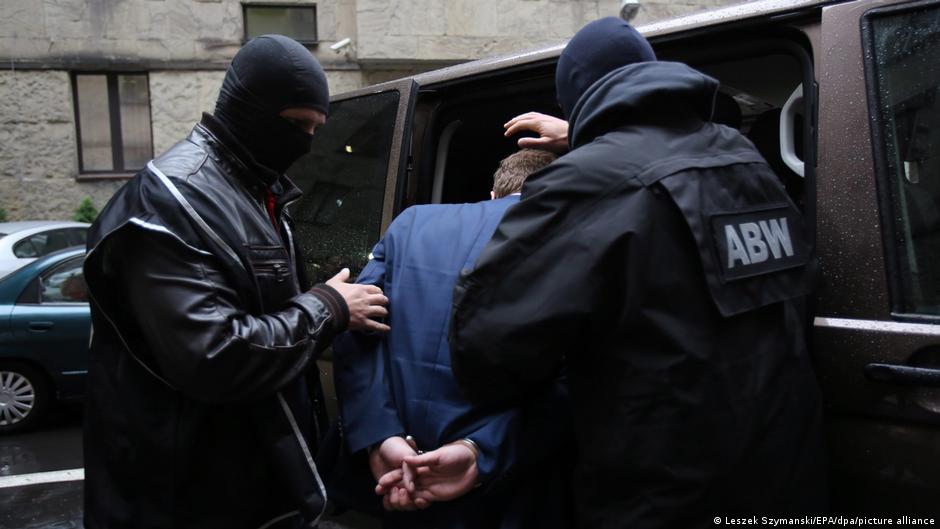
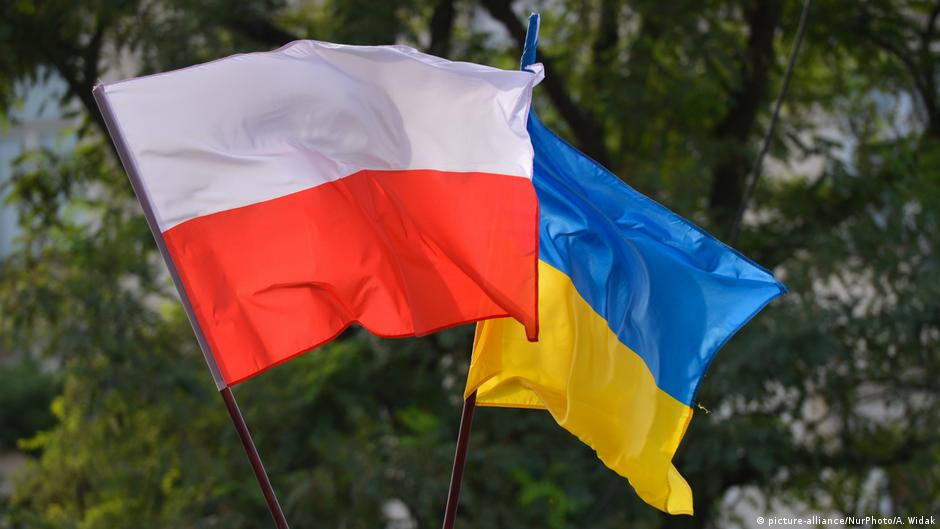
Polish authorities have expelled 11 foreign nationals, including nine Ukrainians and two Belarusians, amid allegations that they orchestrated protests among Ukrainian refugees using funds originating from Russia. This move highlights growing concerns over foreign interference in Poland's domestic affairs and the complex geopolitical dynamics affecting Eastern Europe.
Security Operations and Findings
The expulsions followed coordinated arrests carried out by the Polish Border Guard in multiple cities, including Warsaw, Wrocław, Kraków, Zakopane, and Bydgoszcz. According to Poland's Internal Security Agency (Agencja Bezpieczeństwa Wewnętrznego, ABW), the individuals detained were involved in recruiting participants for protests that took place among refugee communities residing in Poland.
ABW reports that since the autumn of 2023, the Ukrainian and Belarusian nationals identified and financially incentivized individuals to join demonstrations. These protests reportedly centered on emotionally charged issues such as corruption scandals in Ukraine and other sensitive topics within the country's internal politics.
"The organizers aimed to gradually influence the Ukrainian refugee community in Poland and leverage this group to advance specific political slogans," ABW stated.
The agency emphasized that the funding for these operations was traced back to Russia, underlining the strategic intent behind the campaign to sway public opinion within the Ukrainian diaspora and potentially destabilize perceptions around Ukraine’s political situation.
Broader Context of Russian Influence and Disinformation
This incident is part of a wider pattern of Russian attempts to infiltrate and manipulate protest movements in Poland and across the European Union. In February 2024, Poland's Ministry of Foreign Affairs expressed concerns about Russian agents influencing farmers’ protests, suggesting that anti-Ukrainian rhetoric during these blockades may have been coordinated efforts to exert control over dissenting groups.
Furthermore, investigative reporting from the "Dossier" center, linked to Russian oligarch and opposition figure Mikhail Khodorkovsky, revealed that Russian authorities have engaged in disinformation campaigns aimed at sowing discord among NATO allies within the EU. These efforts have specifically targeted France and Turkey and sought to foster hostility towards Ukrainians, thereby undermining the unity of Western alliances.
Implications for Corporate Strategy and Security
For businesses operating in Poland and the broader Central and Eastern European region, these developments illustrate the persistent risks posed by geopolitical tensions and foreign interference. Companies with significant exposure to these markets must monitor the evolving security landscape closely, factoring in the potential for socio-political unrest catalyzed by external actors.
Corporate strategies should integrate comprehensive risk assessments that account for politically motivated protests and disinformation campaigns, which may impact market stability and consumer confidence. Additionally, multinational enterprises should consider strengthening their crisis management protocols and engaging with local security agencies to mitigate vulnerabilities.
In a competitive landscape increasingly influenced by geopolitical dynamics, understanding and responding proactively to such threats is essential for sustainable operations and long-term success in the region.